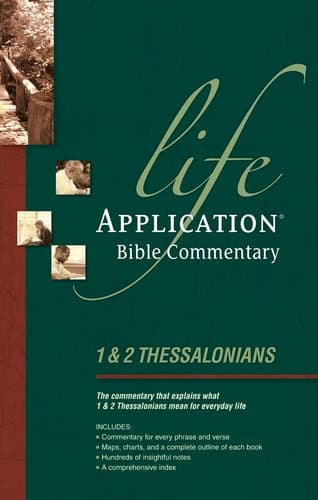
1 and 2 Thessalonians
Bruce B. BartonPublished1999
Pages160
Formatpaperback
PublisherTyndale House Publishers, Inc.
Synopsis
The Life Application Bible Commentary series is the only commentary to offer sermon and lesson applications alongside stirring commentary. This volume provides in-depth explanation, background, and application for every verse in the books of 1 & 2 Thessalonians. Perfect for sermon preparation and lesson planning, this one-of-a-kind reference provides excellent quotes and a bibliography for additional commentary.
Additional features include: • Charts, diagrams, and maps on the same page as their related verses • Quotes from various versions, such as the NIV, NRSV, and NLT • Key information graphically highlighted
Recommendations
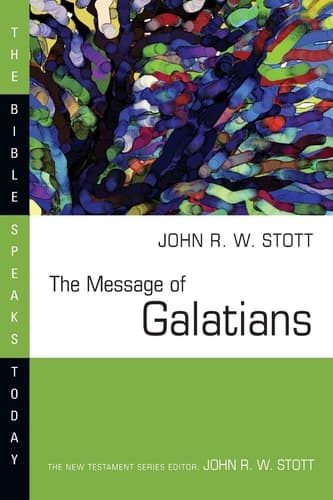
The Message of Galatians
by John Stott
Stott brings the same scholarly-yet-accessible approach that Barton uses, but focuses on a single epistle with even greater theological depth. You'll appreciate how he balances historical context with contemporary application—he's asking the same questions about Paul's letters that you've just been exploring, but with a slightly different lens that will deepen your understanding of Pauline theology.
View book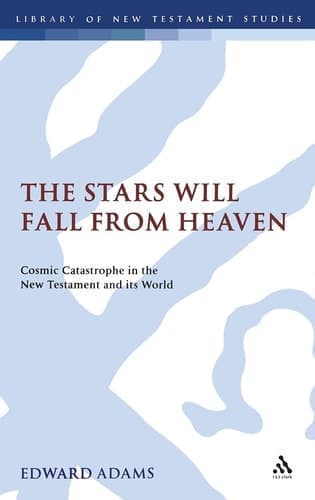
The Stars Will Fall From Heaven 'Cosmic Catastrophe' in the New Testament and its World
by Edward Adams
Wright takes the kind of verse-by-verse work you've been doing and zooms out to show you the entire cultural and political landscape of first-century Christianity. Where Barton gives you the trees, Wright helps you see the forest—and crucially, he explains why that forest matters for understanding what Paul was actually trying to accomplish in Thessalonica.
View book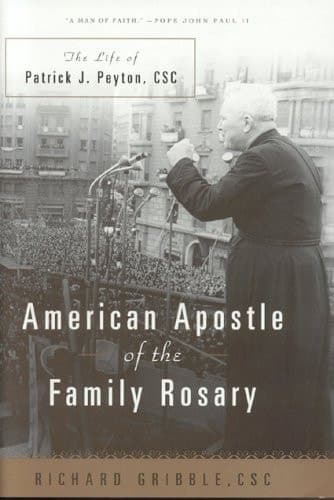
American Apostle of the Family Rosary A Life of Patrick J. Petyon, CSC
by Richard Gribble
This is your surprise recommendation: instead of another commentary, here's a narrative biography that reads like a historical novel. Pollock reconstructs Paul's life and journeys with vivid detail, and when you encounter those Thessalonian letters again, you'll have a visceral sense of who Paul was, where he was, and what he was worried about—it's the human story behind the theological framework you've just studied.
View book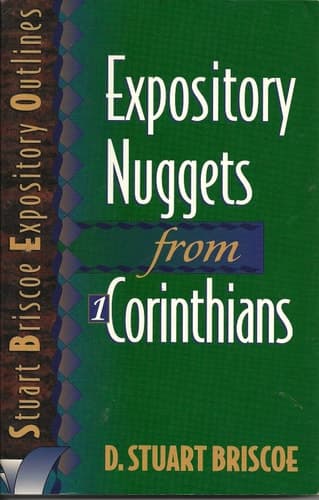
Expository Nuggets from 1 Corinthians
by D. Stuart Briscoe
Fee's commentary in the New International Commentary series has a similar rigor to Barton's work, but his handling of 1 Corinthians will show you how Paul addresses a different set of community problems—you'll see his pastoral voice working in a different register, which actually illuminates what he was doing in Thessalonica by contrast.
View book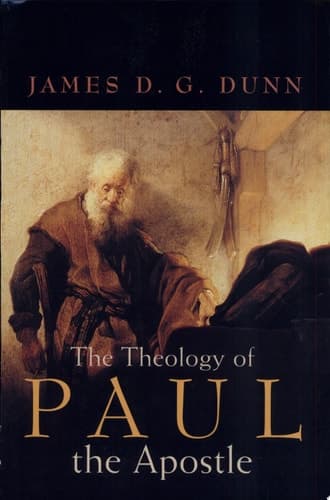
The Theology of Paul the Apostle
by James D. G. Dunn
Published in 1998, this is your cross-decade recommendation—a comprehensive theological synthesis that takes everything Paul wrote (including Thessalonians) and shows you the underlying architecture of his thought. It's denser than Barton, but it's the book that explains *why* Paul says what he says, connecting the dots across all his letters in ways that will make your Thessalonians study feel like part of a much larger, coherent vision.
View bookAbout Bruce B. Barton
Biography coming soon.
View author page