Synopsis
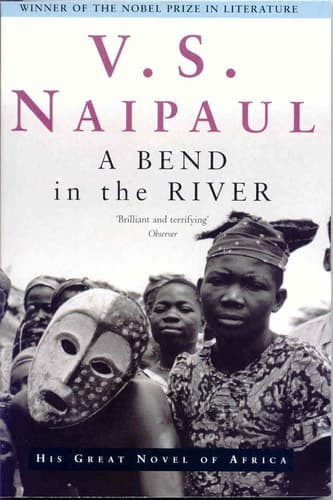
Set in an unnamed African country, the book is narrated by Salim, a young man from an Indian family of traders long resident on the coast. He believes "The world is what it is; men who are nothing, who allow themselves to become nothing, have no place in it." So he has taken the initiative; left the coast; acquired his own shop in a small, growing city in the continent’s remote interior and is selling sundries – little more than this and that, really – to the natives. This spot, this ‘bend in the river’, is a microcosm of post-colonial Africa at the time of Independence: a scene of chaos, violent change, warring tribes, ignorance, isolation and poverty. And from this rich landscape emerges one of the author’s most potent works – a truly moving story of historical upheaval and social breakdown.
Recommendations
Generating recommendations…
Our AI is preparing recommendations for A Bend in the River. This usually takes under a minute.
About V. S. Naipaul
V
V. S. Naipaul
1932–2018
Vidiadhar Surajprasad Naipaul (17 August 1932 – 11 August 2018) was a Trinidadian-born British writer of works of fiction and nonfiction in English. He is known for his comic early novels set in Trinidad, his bleaker novels of alienation in the wider world, and his vigilant chronicles of life and travels. He published more than thirty books over fifty years. Naipaul's breakthrough novel *A House for Mr Biswas* was published in 1961. He won the Booker Prize in 1971 for his novel In a *Free State,* and the Jerusalem Prize in 1983. In 1990, he was awarded the Trinity Cross, Trinidad and Tobago's highest national honour. He received a knighthood in Britain in 1990, and the Nobel Prize in Literature in 2001. Some of his other works include *The Guerillas* (1975), *The Middle Passage* (1962) *A Bend in the River* (1979), *Among the Believers* (1981), *The Enigma of Arrival* (1987), *India: A Million Mutinies Now* (1990), *Beyond Belief* (1998) and *Half a Life* (2001).
View author page