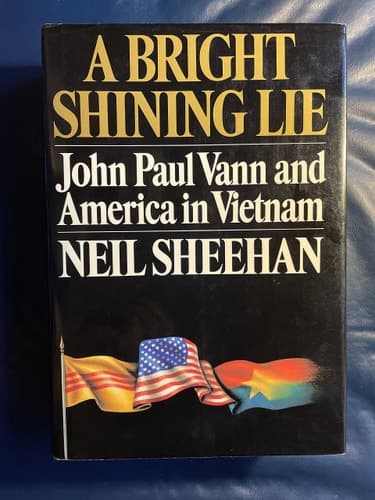
A Bright Shining Lie John Paul Vann and America in Vietnam
Neil SheehanPublished1988
Pages861
Formathardcover
PublisherRandom House
Synopsis
When he came to Vietnam in 1962, Lieutenant Colonel John Paul Vann was the one clear-sighted participant in an enterprise riddled with arrogance and self-deception, a charismatic soldier who put his life and career on the line in an attempt to convince his superiors that the war should be fought another way. By the time he died in 1972, Vann had embraced the follies he once decried. He died believing that the war had been won.
Recommendations
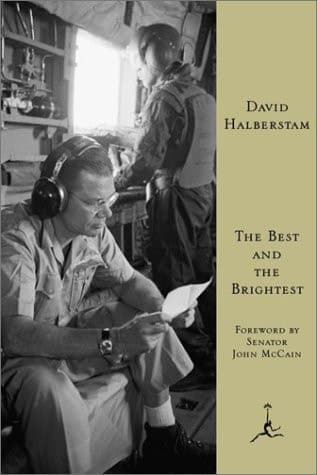
The Best and the Brightest
by David Halberstam
Halberstam does for Kennedy's Vietnam architects what Sheehan does for Vann—he traces how intelligent, confident men became trapped by their own certainties. Where Sheehan focuses on one man's tragic arc, Halberstam pulls back to show the institutional blindness that infected an entire generation of policymakers, giving you the broader context for understanding how Vann's warnings got lost in the noise.
View book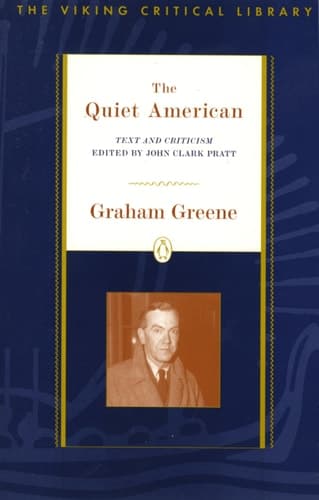
The Quiet American
by Graham Greene
Published in 1955, Greene's novel is a prescient meditation on American idealism colliding with Vietnamese reality—and it reads like a ghost story haunting Sheehan's nonfiction. Greene's protagonist embodies the same dangerous combination of good intentions and willful blindness that Vann eventually succumbed to, but Greene saw it coming decades before the war's end.
View book
Dispatches
by Michael Herr
If Sheehan gives you the strategic view of Vietnam's delusions, Herr gives you the sensory and psychological experience of living inside them. His fragmented, almost hallucinatory prose captures the gap between what soldiers were told and what they actually witnessed—the same gap that consumed Vann, but filtered through the consciousness of men on the ground rather than in headquarters.
View book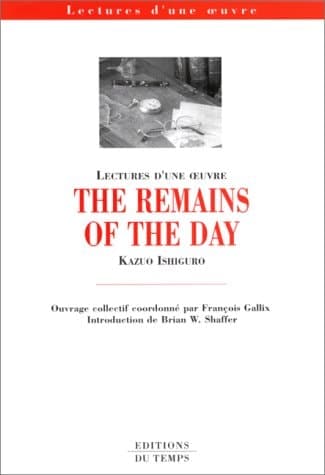
The remains of the day de Kazuo Ishiguro
by Gallix/François
This might seem like a left turn, but Ishiguro's butler Stevens is Vann's spiritual cousin—a man who served a system he gradually realized was corrupt, yet couldn't quite break free from the narrative he'd constructed about his own loyalty. Both characters are undone by their refusal to see clearly until it's too late, and Ishiguro's restrained prose makes that self-deception almost unbearably poignant.
View book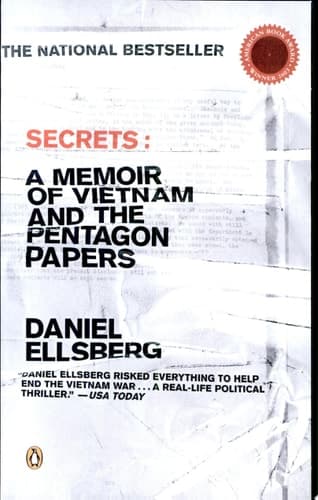
Secrets A Memoir of Vietnam and the Pentagon Papers
by Unknown
Ellsberg's firsthand account of how the government systematically lied about Vietnam provides the documentary backbone to Sheehan's portrait of Vann. Reading them together, you'll see how one man's moral crisis played out against a backdrop of deliberate institutional deception—Ellsberg shows you the machinery that crushed Vann's warnings.
View bookAbout Neil Sheehan
N
Neil Sheehan
Born 1936
Cornelius Mahoney "Neil" Sheehan (born October 27, 1936) is an American journalist. As a reporter for The New York Times in 1971, Sheehan obtained the classified Pentagon Papers from Daniel Ellsberg. His series of articles revealed a secret United States Department of Defense history of the Vietnam War and led to a US Supreme Court case, *New York Times Co. v. United States*, 403 U.S. 713 (1971), when the United States government failed to halt publication. He received a Pulitzer Prize and a National Book Award for his 1988 book *A Bright Shining Lie*, about the life of Lieutenant Colonel John Paul Vann and the United States involvement in the Vietnam War. **Source**: [Neil Sheehan](https://en.wikipedia.org/wiki/Neil_Sheehan) on Wikipedia.
View author page