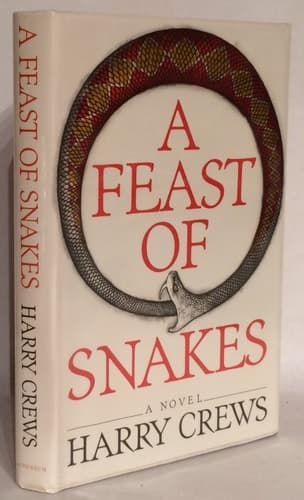
Synopsis
From the acclaimed author of such novels as "Blood and Grits" and "Childhood" comes a wildly weird and breathtakingly original visit to the rural South that reveals the exotic subculture that erupts in all its glory at the Rattlesnake Roundup in Mystic, Georgia. "No number of adjectives in the thesaurus can do full justice to the dazzlingly bizarre nature of Crews' creations"-- "Washington Post Book World"
Recommendations
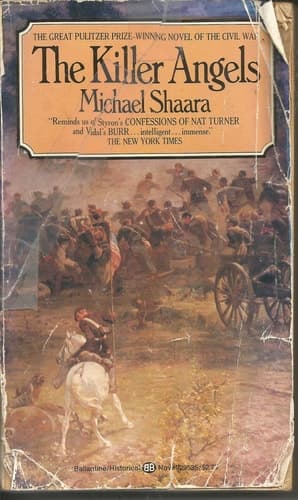
The Killer Angels
by Michael Shaara
Like Crews, Shaara finds the grotesque and the transcendent lurking in the same moment—here, the Battle of Gettysburg becomes a stage for men confronting their own bizarre codes of honor and survival. Both writers have this gift for making you feel the sweat and strangeness of a very specific American landscape, where ordinary people are caught up in rituals that feel both absurd and deadly serious.
View book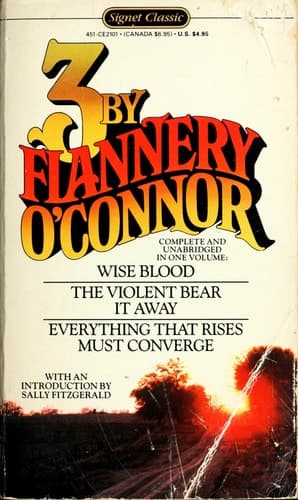
Three by Flannery O'Connor Wise Blood, The Violent Bear it Away, Everything that Rises Must Converge
by Flannery O'Connor
O'Connor shares Crews' unflinching eye for the grotesque and the spiritual colliding in the American South, but she approaches it through a more compressed, almost hallucinatory lens. Where Crews luxuriates in the weird details of a snake roundup, O'Connor distills Southern strangeness into something more claustrophobic and fevered—you'll recognize the same dark humor and the same refusal to look away from human degradation.
View book
The Moviegoer
by Walker Percy
Percy writes about alienation and searching for meaning in the American South with a philosophical patience that contrasts beautifully with Crews' raw intensity, but both are obsessed with how people construct meaning through ritual and performance. The protagonist's detached wandering through New Orleans has the same quality of watching a subculture from the inside—you're never quite sure if you're observing or participating.
View book
The Apocalyptic Vision of Mikhail Bulgakov's the Master and Margarita (Studies in Slavic Language & Literature)
by Edward E. Ericson
This is the surprise pick, but hear me out: Bulgakov constructs an entire bizarre world with its own logic and rituals (a devil's ball in Soviet Moscow) the way Crews does with the rattlesnake roundup, and both writers have this anarchic energy where the grotesque and the magical operate by the same rules. It's from a completely different time and place, but that same sense of watching a closed society perform its own strange ceremonies.
View book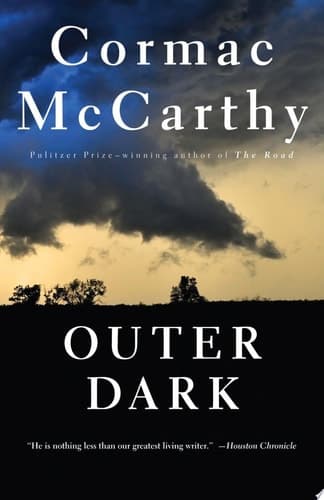
Outer Dark
by Cormac McCarthy
McCarthy shares Crews' willingness to drag you through the ugliest corners of American life without flinching, but he does it with a more apocalyptic, almost biblical weight. Both writers make the marginal and the monstrous feel inevitable—you're watching people trapped in systems (whether it's poverty or the roundup circuit) that have their own terrible logic, and neither author offers you the comfort of looking away.
View bookAbout Harry Crews
Biography coming soon.
View author page