A Rendezvous Reader: Tall, Tangled, and True Tales of the Mountain Men 1805-1850
James H. MaguirePublished1997
Pages348
Formathardcover
PublisherUniv of Utah Pr
Synopsis
Describing the adventures of trappers, European nobles, missionaries, and others who furthered westward expansion, 151 selections from a variety of sources journals, correspondence, books, magazines, etc. are presented with brief introductions by the editors. Paper edition (unseen) $19.95. Annotation c. by Book News, Inc., Portland, Or.
Recommendations
Wagon Wheels A Contemporary Journey on the Oregon Trail
by Candy Vyvey Moulton
Buck retraces the actual 2,170-mile route on horseback and wagon, weaving together primary sources and personal experience much like Maguire's anthology does—but here you're following one narrator's physical journey through the same landscape those mountain men knew. It's that same appetite for primary documents and firsthand accounts, just in a more immersive, narrative-driven package.
View book
Bury My Heart at Wounded Knee An Indian History of the American West
by Dee Brown
Where Maguire's anthology captures the trappers' and explorers' perspectives on westward expansion, Brown presents the other side of that same historical moment through Native American voices and experiences. It's the necessary counternarrative—still built from letters, reports, and testimonies, but it fundamentally complicates the adventure narrative you've just finished reading.
View book
The Worst Journey in the World
by Apsley Cherry-Garrard
Published in 1922, this firsthand account of Scott's Antarctic expedition has that same raw, unfiltered quality as the mountain men's journals in your anthology—a man writing about extreme survival, discovery, and the collision between human ambition and wilderness. Cherry-Garrard's voice is remarkably modern despite the era, and the stakes feel just as immediate as any trapper's tale.
View book
The Worst Hard Time: The Untold Story of Those Who Survived the Great American Dust Bowl
by Timothy Egan
This is my curveball recommendation: it's not about mountain men or trappers, but about settlers and farmers in the Great Plains during the Dust Bowl—the generation that came *after* the frontier era you've been reading about. Egan uses the same documentary approach (interviews, letters, photographs) to show what happened when the wilderness was 'conquered,' and it's a sobering, gripping read that deepens your understanding of westward expansion's long shadow.
View book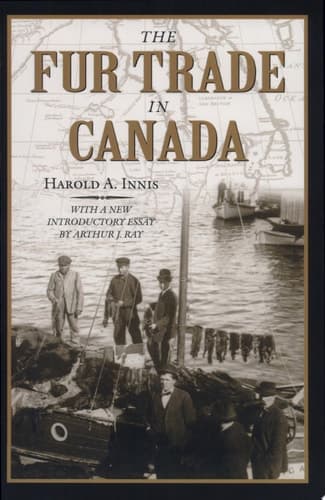
The Fur Trade in Canada An Introduction to Canadian Economic History
by Harold Adams Innis
If you want to understand the *system* behind all those individual mountain men's adventures, Innis provides the economic and political architecture—how the fur trade actually worked as a continental enterprise. It's scholarly but remarkably readable, and it transforms those scattered journal entries and letters from Maguire's anthology into a coherent historical narrative with real stakes and consequences.
View bookAbout James H. Maguire
Biography coming soon.
View author page