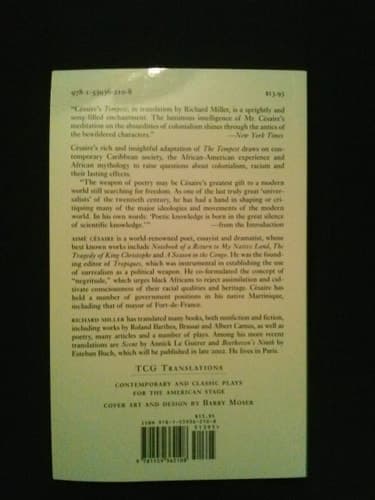
A Tempest Based on Shakespeare's The Tempest, Adaptation for a Black Theatre
Aimé CésairePublished2002
Pages69
Formatpaperback
PublisherTCG Translations
Synopsis
Césaire's Tempest, in translation by Richard Miller, is a sprightly and song-filled enchantment. The luminous intelligence of Mr. Césaire's meditation on the absurdities of colonialism shines through the antics of the bewildered characters.--New York Times
Césaire's rich and insightful adaptation of The Tempest draws on contemporary Caribbean society, the African-American experience and African mythology to raise questions about colonialism, racism and their lasting effects.
Recommendations
In the Shadows of Divine Perfection Derek Walcott's Omeros
by Lance Callahan
Like Césaire, Walcott rewrites classical literature through a Caribbean lens—here it's Homer's epics transformed into the lives of fishermen on St. Lucia. You'll find that same luminous intelligence interrogating colonialism and cultural inheritance, but through an epic poem that feels both ancient and urgently contemporary, with the music of Caribbean speech woven throughout.
View book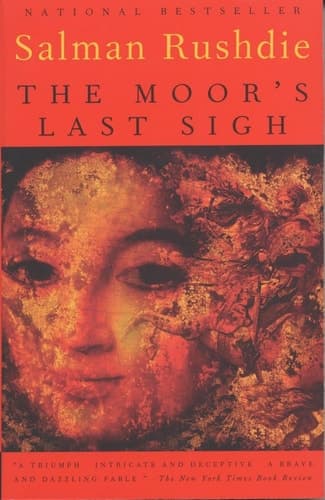
The Moor's Last Sigh
by Salman Rushdie
Rushdie builds a magical-realist history of India that's as playful and digressive as Césaire's theatrical adaptation is spirited. The narrator's family saga becomes a way to examine power, displacement, and artistic resistance—and like *A Tempest*, it refuses to let serious political questions prevent the story from being genuinely entertaining and strange.
View book
The Apocalyptic Vision of Mikhail Bulgakov's the Master and Margarita (Studies in Slavic Language & Literature)
by Edward E. Ericson
This is the surprise pick: a 1960s Soviet novel that shares Césaire's gift for embedding serious political critique inside a narrative that's simultaneously absurdist, mythological, and deeply theatrical. The Devil arrives in Moscow much like Prospero's magic disrupts the island—both authors use fantastical elements to expose the absurdities of power and corruption.
View book
Wide Sargasso Sea
by Jean Rhys
Rhys does for *Jane Eyre* what Césaire does for *The Tempest*—she rewrites a canonical work by centering the silenced colonial subject, giving voice to Rochester's first wife and the Caribbean world that the original novel erased. The prose is lush and unsettling in ways that mirror how Césaire's adaptation destabilizes Shakespeare's colonial assumptions.
View book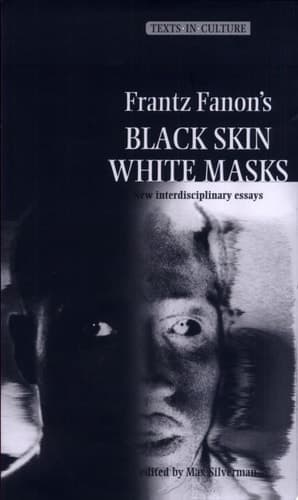
Frantz Fanon's 'Black Skin, White Masks'
by Max Silverman
If you want to deepen your understanding of the intellectual foundations beneath Césaire's theatrical choices, Fanon's essays are essential—he was Césaire's contemporary and fellow Martinican theorist. This collection reads almost like a philosophical companion piece to *A Tempest*, examining the psychological and social violence of colonialism with the same unflinching clarity and lyrical intensity.
View bookAbout Aimé Césaire
Biography coming soon.
View author page