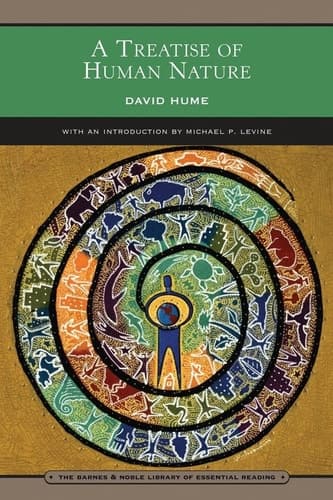
A Treatise of Human Nature
David HumePublished2005
Pages624
Formatpaperback
PublisherBarnes & Noble, Incorporated
Synopsis
Influencing ethics, metaphysics, and philosophy of science, David Hume's Treatise of Human Nature remains unrivalled by perhaps any other works in philosophy. The Treatise is of interest, and not merely historical interest, to professional academic philosophers. It is remarkable that it can, and often does, also serve as one of the best introductions to philosophy-to what philosophers really do-for the novice.
Recommendations
Generating recommendations…
Our AI is preparing recommendations for A Treatise of Human Nature. This usually takes under a minute.
About David Hume
D
David Hume
1711–1776
David Hume (7 May 1711 [26 April O.S.] – 25 August 1776) was a Scottish philosopher, historian, economist, and essayist, known especially for his philosophical empiricism and skepticism. He is regarded as one of the most important figures in the history of Western philosophy and the Scottish Enlightenment. Hume is often grouped with John Locke, George Berkeley, and a handful of others as a British Empiricist. Source: [English Wikipedia][1] [1]: http://en.wikipedia.org/wiki/David_Hume
View author page