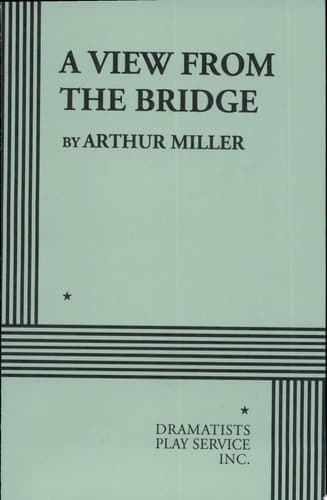
A View from the Bridge Play in Two Acts
Arthur MillerPublished1957
Pages70
Formatpaperback
PublisherDramatists Play Service Inc
Synopsis
THE STORY: As told by the New York News. ... is a tragedy in the classic form and I think it is a modern classic...the central character is a long-shoreman who, though his mind is limited and he cannot find words for his thoughts, is an admirable man...
Recommendations

Dramenverfilmung im Vergleich: Tennessee Williams' A Streetcar Named Desire und Cat on a Hot Tin Roof
by Nikolaus Wildenauer
Williams shares Miller's gift for trapping ordinary people in impossible emotional situations where class and desire become weapons. Like Eddie Carbone, his characters are inarticulate about their deepest needs, and that silence becomes the tragedy itself—the play builds its devastating power from what goes unsaid between people who desperately need to communicate.
View book
Guide Flies How to Tie and Fish the Killer Flies from America's Greatest Guides and Fly Shops
by David Klausmeyer
I'm recommending this as a modern echo of Miller's exploration of how a man's rigid code—his sense of honor and control—becomes his undoing. The protagonist is methodical and limited in his self-awareness, much like Eddie, and the narrative slowly reveals how his inability to adapt or truly connect with others seals his fate. It's Miller's tragedy transplanted to a contemporary, noir setting.
View book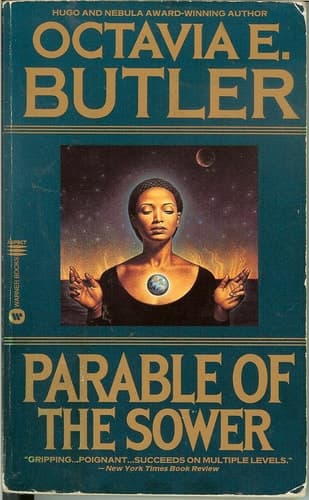
Parable of the Sower
by Octavia E. Butler
This might seem like a departure, but Butler does something Miller does beautifully: she shows how ordinary people with limited resources navigate systems larger than themselves, and how community bonds (or their absence) determine survival. The protagonist's clarity about her world contrasts with Eddie's blindness, but both explore how personal desire and social obligation collide in ways that can't be resolved by willpower alone.
View book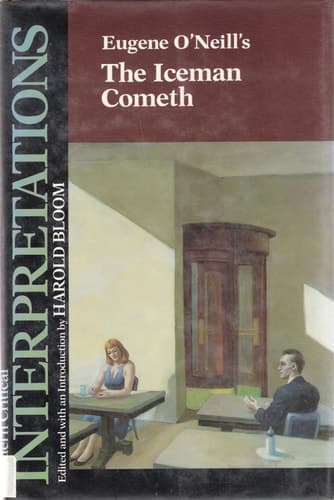
Eugene O'Neill's the Iceman Cometh (Modern Critical Interpretations, Modern American Literature)
by Harold Bloom
O'Neill was Miller's spiritual predecessor in American drama, and this play shares that same unflinching look at men trapped by their own illusions and desires. Like Eddie, O'Neill's characters are caught between what they want to believe about themselves and what they actually are—the dialogue has that same working-class rhythm and the same tragic inevitability.
View book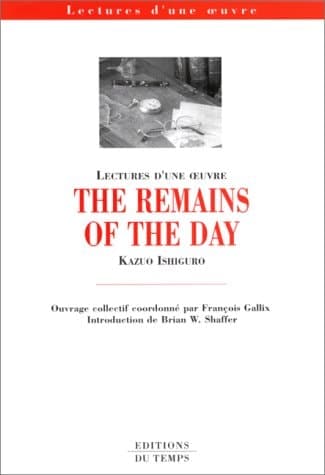
The remains of the day de Kazuo Ishiguro
by Gallix/François
Ishiguro's narrator is Eddie Carbone's spiritual cousin—a man whose devotion to duty and inability to articulate his true feelings have cost him everything, and who only at the end begins to glimpse what he's sacrificed. The novel's restraint mirrors the play's emotional compression; both works understand that tragedy often wears the mask of quiet, ordinary life rather than grand gestures.
View bookAbout Arthur Miller
A
Arthur Miller
1915–2005
Arthur Asher Miller was an American playwright, essayist and screenwriter in the 20th-century American theater. Among his most popular plays are All My Sons (1947), Death of a Salesman (1949), The Crucible (1953), and A View from the Bridge (1955). He wrote several screenplays and was most noted for his work on The Misfits (1961). The drama Death of a Salesman is considered one of the best American plays of the 20th century.
View author page