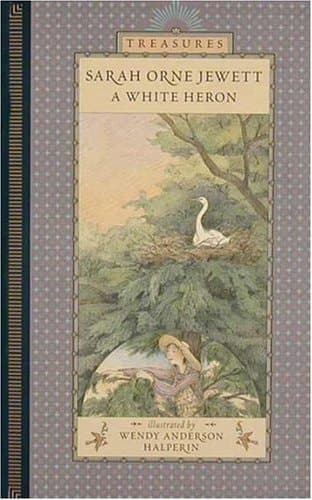
Synopsis
A nine-year-old New England girl has to decide whether or not she will help the ornithologist who is searching for the rare white heron.
Recommendations
Collected poems
by Emily Dickinson
Jewett and Dickinson were near-contemporaries who both captured the interior lives of New England women with stunning precision. Where Jewett gives you a girl's moral crisis in narrative form, Dickinson distills similar moments of choice and conscience into lines that feel like they're carved into your chest. The compressed intensity of her nature observations will deepen how you read Jewett's descriptions of the forest.
View book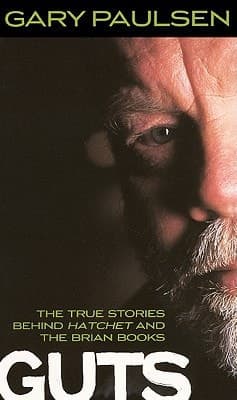
Guts The True Stories Behind Hatchet and the Brian Books
by Gary Paulsen
This might seem like a departure, but Paulsen writes survival with the same quiet attention to a young person's internal reckoning that Jewett does. A thirteen-year-old alone in the Canadian wilderness faces choices about self-preservation versus something larger—the way Paulsen renders those moments of decision has the same moral weight as Sylvia's choice about the heron, just with higher stakes and more immediate danger.
View book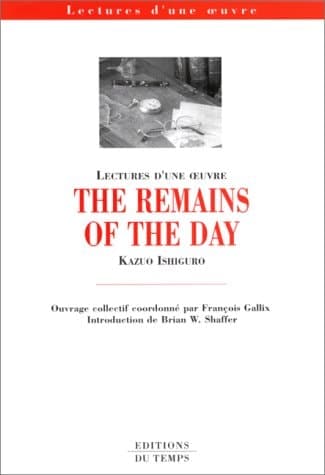
The remains of the day de Kazuo Ishiguro
by Gallix/François
A surprise pick, but hear me out: both stories hinge on a single moment where a character chooses loyalty to an authority figure over something they deeply value. Ishiguro's butler reflects on decades of service with the same quiet devastation that Sylvia might feel looking back on her choice. The way Ishiguro reveals what Stevens has sacrificed mirrors how Jewett lets you understand the weight of Sylvia's decision without spelling it out.
View book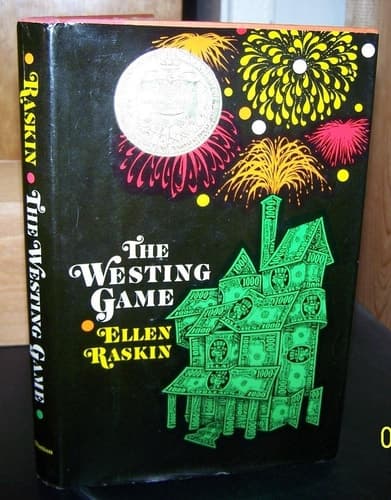
The Westing Game
by Ellen Raskin
Raskin shares Jewett's gift for making young characters' observations feel genuinely intelligent and consequential. Where Jewett gives you one girl's crisis of conscience, Raskin gives you a puzzle where multiple characters—including children—must think their way through moral and practical problems. The satisfaction comes from the same place: watching young minds navigate complexity with integrity.
View book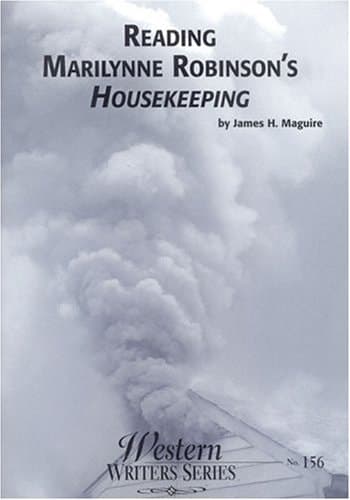
Reading Marilynne Robinson's Housekeeping (Boise State University Western Writers Series)
by James H. Maguire
Robinson writes about a girl growing up in the Pacific Northwest with the same lyrical attention to landscape and inner life that Jewett brings to New England. Both authors use nature not as backdrop but as a language for what characters can't quite say aloud. The way Robinson's protagonist Ruthie observes her unconventional aunt has echoes of Sylvia's complicated feelings about the ornithologist—admiration mixed with a deeper loyalty to something the adult world doesn't quite understand.
View bookAbout Sarah Orne Jewett
Biography coming soon.
View author page