Synopsis
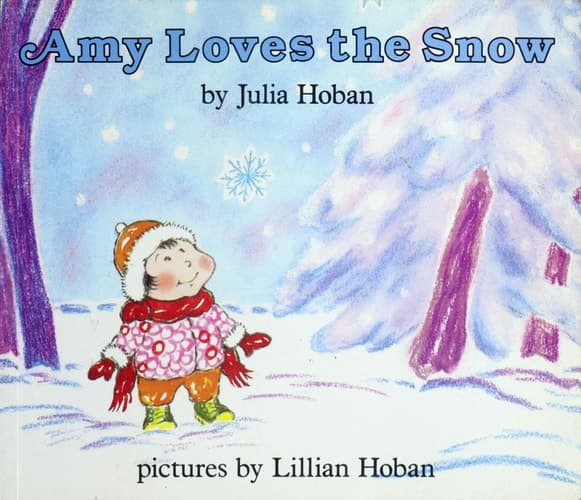
Amy builds a snowman with her parents.
Recommendations
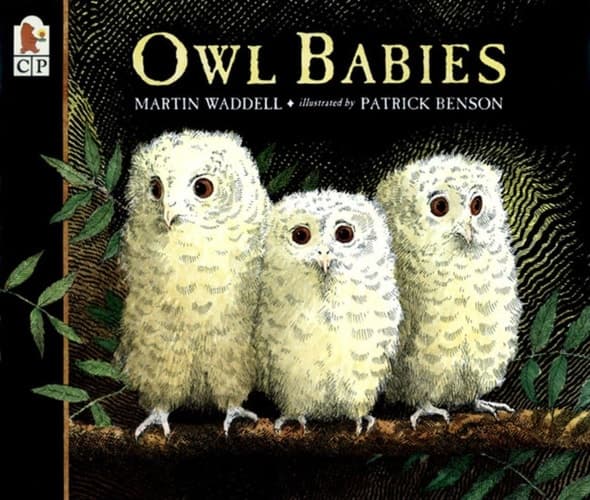
Owl Babies
by Martin Waddell
Like Amy's snowy adventure, this captures that specific childhood moment of discovery through a parent's eyes—but Waddell uses the nighttime forest instead of snow, and he builds genuine suspense alongside the coziness. Both books understand that small children experience the world through sensory details and emotional reassurance rather than plot.
View book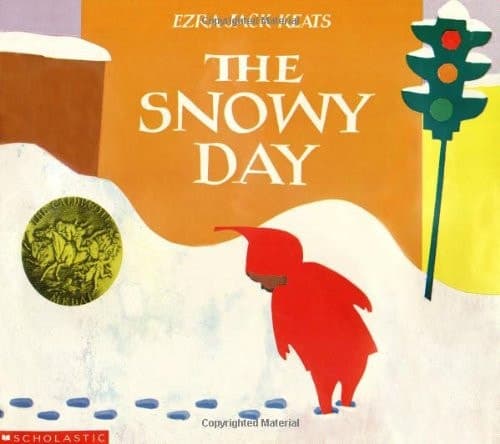
The Snowy Day
by Ezra Jack Keats
I know this seems like the obvious choice, but hear me out—Keats published this in 1962, and comparing it to Hoban's 1993 work shows how differently two generations of illustrators approached the same subject. Keats uses collage and bold colors where Hoban uses softer realism; both capture that particular magic of snow, but through completely different artistic languages.
View book
Come Away with Me
by Sara MacDonald
Best writes about a grandmother and grandchild's day together with the same quiet attention to small moments that Hoban brings to Amy's family time. There's no big plot here either—just the texture of being present with someone you love, though Best adds a gentle melancholy undertone that gives the book unexpected depth.
View book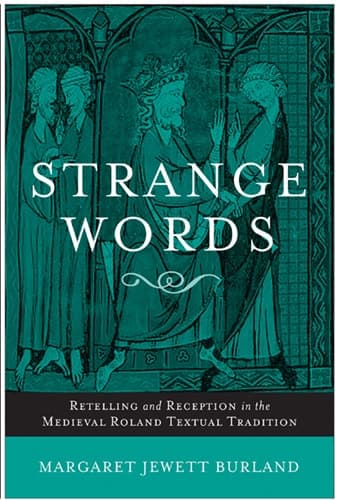
Strange Words: Retelling and Reception in the Medieval Roland Textual Tradition
by Margaret Jewett Burland
This is my surprise pick—it's a nature photography book disguised as a picture book, where a mysterious visitor appears in the forest and animals must decide whether to trust it. If you loved the sensory immersion of Amy in the snow, Sams' photorealistic images create an almost tactile experience, but he adds an element of gentle mystery and problem-solving that expands what a 'simple' picture book can do.
View book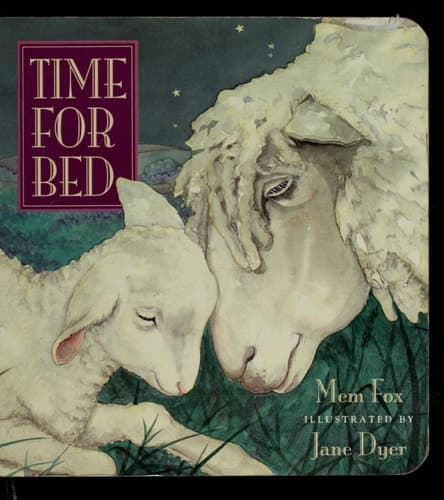
Time for Bed
by Mem Fox
Fox's rhythmic, almost poetic language transforms a bedtime routine into something that feels both universal and deeply intimate—the way she pairs animal parents with their young mirrors Hoban's focus on family connection, but Fox uses repetition and lullaby-like phrasing to create an almost hypnotic quality that lingers after you finish reading.
View bookAbout Julia Hoban
Biography coming soon.
View author page