
Anais Nin Herself: Read Selections from Her Diaries, 1931-34
Anais NinPublished1993
Pages40
Formataudiobook
PublisherAudio Partners, The
Synopsis
Nin discusses the differences she had with her father, paints a vivid portrait of the experience of childbirth, and describes a voluptuous female beauty at a women's bath. 2 cassettes.
Recommendations
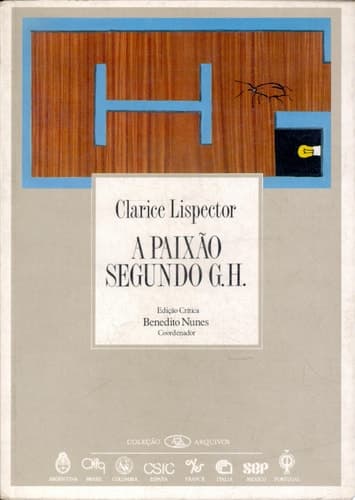
The Passion According to G.H.
by Clarice Lispector
Like Nin's diary entries, Lispector uses fragmented, intensely introspective prose to excavate the raw physicality of female experience—here through a woman's encounter with a cockroach that becomes a meditation on embodiment and transformation. Both writers refuse to separate the sensual from the philosophical, creating prose that feels like thinking-in-real-time rather than polished reflection.
View book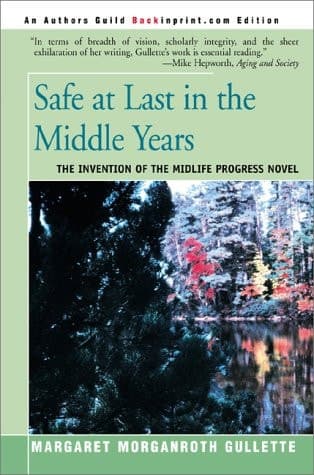
Safe at Last in the Middle Years The Invention of the Midlife Progress Novel: Saul Bellow, Margaret Drabble, Anne Tyler, and John Updike
by Margaret Morganroth Gullette
Ernaux traces decades of French life through a collective 'we' perspective, capturing the texture of female bodies, family dynamics, and generational shifts in a way that echoes Nin's unflinching attention to bodily experience and family rupture. Published in 2008, this gives you a contemporary writer working in a similar vein of intimate social documentation, but with a broader historical sweep.
View book
Die Wiederkehr der Zeichen: Eine psychoanalytische Studie zu Knut Hamsuns «Hunger» (Texte und Untersuchungen zur Germanistik und Skandinavistik) (German Edition)
by Thomas Fechner-Smarsly
Here's your genre-jump: a psychological novel from 1890 that reads like a fever dream of consciousness, where a struggling writer's internal monologue becomes increasingly fractured and unreliable. If you valued Nin's raw honesty about desire, shame, and the gap between inner and outer self, Hamsun's protagonist will feel like a spiritual cousin—just male, Norwegian, and filtered through existential hunger rather than sensual awakening.
View book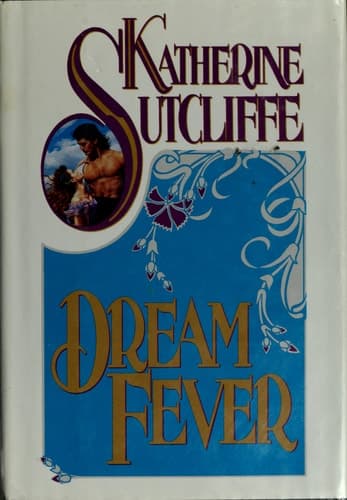
Dream Fever
by Katherine Sutcliffe
Schweblin constructs her narrative through fragmented questions and half-remembered moments, much like how Nin's diary entries circle back obsessively to key emotional truths. Both writers use repetition and sensory detail to create an almost hallucinatory intimacy—here, a mother reconstructing a poisoning incident becomes a meditation on motherhood, vulnerability, and what we can and cannot protect.
View book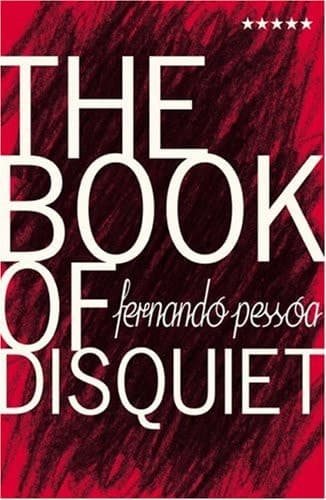
The Book of Disquiet
by Fernando Pessoa
Pessoa's prose-poem diary fragments share Nin's obsession with recording the texture of daily consciousness—the small revelations, the contradictions, the way a moment at a café becomes a portal to larger truths about identity and desire. Both writers treat the diary form as a space where philosophy and sensation collide, and both resist neat conclusions in favor of perpetual questioning.
View bookAbout Anais Nin
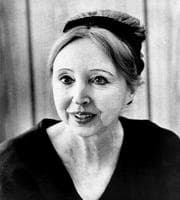
Anais Nin
1903–1977
Anaïs Nin is known internationally for her diary, eleven volumes of which have been published. The 35,000 handwritten pages of her journals are currently located in the UCLA library. She was born in Paris to Cuban parents, and spent her early years in Cuba and Spain. Her young adulthood was spent in Paris and she and her husband, Hugo Guiler, moved to the United States in 1939 to avoid World War II. After meeting Rupert Pole in 1947 she engaged in a "bicoastal trapeze" living with him in Los Angeles as a married couple and maintaining her marriage with Guiler in New York. She died of cervical cancer in 1977.
View author page