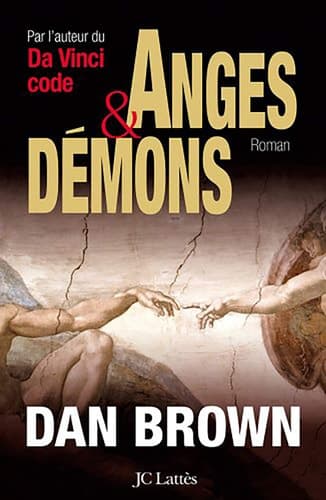
Synopsis
Robert Langdon, le célèbre professeur d'histoire de l'art, spécialiste de symbologie religieuse, à Harvard, est convoqué au CERN, en Suisse, pour déchiffrer un symbole gravé au fer rouge sur la poitrine d'un éminent homme de science qui a été assassiné. Il fait alors une découverte incroyable ; il s'agirait d'un crime commis par une très ancienne société secrète, les Illuminati, laquelle s'est également emparée d'un conteneur renfermant une substance très dangereuse. La secte, qui vient de resurgir après une éclipse de quatre siècles, a juré d'anéantir l'Eglise catholique. Langdon ne dispose que de quelques heures pour sauver le Vatican qu'une terrifiante bombe à retardement menace ! Dans cette folle course contre la montre, Langdon aura comme alliée, Vittoria, une ravissante jeune scientifique qui l'aidera à décrypter d'archaïques symboles qui d'églises en places romaines le mèneront jusqu'à l'antre des Illuminati.
Recommendations
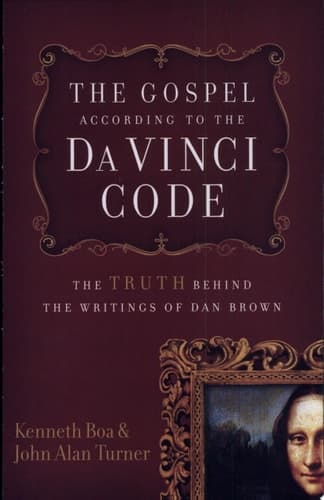
The Gospel According to the Da Vinci Code The Truth Behind the Writings of Dan Brown
by Kenneth Boa
Wait—I know what you're thinking. But hear me out: if you haven't read this one yet, it's the perfect companion piece. Langdon's first adventure has the same breakneck pacing and architectural symbolism, but the Vatican intrigue in *Angels & Demons* actually works better as a sequel because you'll catch all the callbacks and see how Brown refined his formula.
View book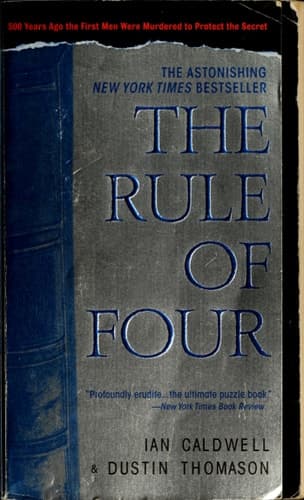
The Rule of Four
by Ian Caldwell
This one captures that same intoxicating blend of Renaissance scholarship, secret societies, and puzzle-solving that makes *Angels & Demons* so addictive—except Caldwell sets it at Princeton with a 500-year-old mystery embedded in a Renaissance text. The pacing is slightly more deliberate, which actually lets you savor the intellectual detective work rather than just sprint through it.
View book
The Historian
by Elizabeth Kostova
This is my surprise pick for you. Yes, it's technically a vampire novel, but it reads like a literary mystery where the real obsession is tracking down historical truth across Eastern Europe. Kostova writes with the same reverence for architecture and historical detail that Brown does, but she takes her time—the book unfolds like opening nested Russian dolls, and you'll find yourself just as compelled by the hunt for answers as you were by Langdon's Vatican countdown.
View book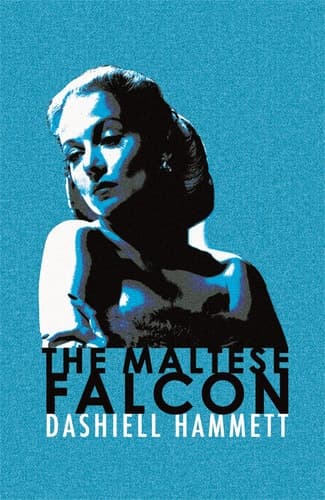
The Maltese Falcon
by Dashiell Hammett
Published in 1930, this is where the modern thriller blueprint actually comes from—and it's a palate cleanser in the best way. Sam Spade navigates a web of deception and competing factions all chasing the same artifact, much like Langdon does with the antimatter canister. Hammett's prose is lean and sharp where Brown is baroque, which makes it feel like watching a master class in economical storytelling.
View book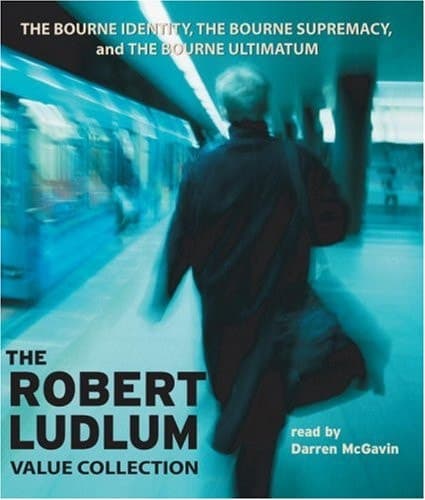
The Robert Ludlum Value Collection: The Bourne Identity, The Bourne Supremacy, The Bourne Ultimatum
by Robert Ludlum
Ludlum pioneered the modern conspiracy thriller with this one, and you'll notice how much cleaner the action sequences are compared to Brown's more cerebral approach. Jason Bourne is constantly decoding his own past while being hunted, which gives you that same "piecing together hidden truths" satisfaction, but filtered through a spy-thriller lens where the stakes feel more grounded and visceral.
View bookAbout Dan Brown
D
Dan Brown
Born 1964
Dan Brown is an American author of thriller fiction, best known for the 2003 bestselling novel, *The Da Vinci Code*. Brown's novels, which are treasure hunts set in a 24-hour time period, feature the recurring themes of cryptography, keys, symbols, codes, and conspiracy theories. His books have been translated into over 40 languages, and as of 2009, sold over 80 million copies. Brown's novels that feature the lead character Robert Langdon also include historical themes and Christianity as recurring motifs, and as a result, have generated controversy. Brown states on his website that his books are not anti-Christian, though he is on a 'constant spiritual journey' himself, and says of his book *The Da Vinci Code* that it is simply "an entertaining story that promotes spiritual discussion and debate" and suggests that the book may be used "as a positive catalyst for introspection and exploration of our faith." ([Source][1]) [1]: http://en.wikipedia.org/wiki/Dan_Brown
View author page