Synopsis
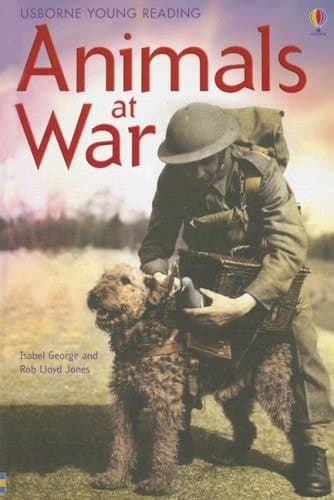
From horses and elephants carrying armies, to dogs parachuting from planes and dolphins detecting mines, animals have played a part in some of the bloodiest battles in history. Their stories are as compelling and tragic as those of the soldiers they served.
Recommendations
Little Miss Splendid and the Princess
by Roger Hargreaves
Larson captures the same intimate human-and-animal bond you found in Animals at War, but focuses on Churchill's beloved black cat during the London Blitz. He weaves together personal diaries, historical documents, and vivid scene-setting to show how small creatures provided comfort during humanity's darkest moments—it's the emotional counterpoint to Isabel George's military narratives.
View book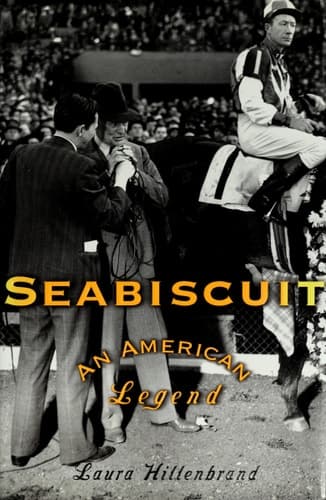
Seabiscuit An American Legend
by Laura Hillenbrand
Like George's work, Hillenbrand tells the story of an animal whose life intersected with major historical events—but instead of war, it's Depression-era America finding hope through a racehorse. She uses the same documentary-style approach with primary sources, and you'll notice how she makes you care deeply about a creature's survival and triumph in ways that feel just as consequential as any battlefield narrative.
View book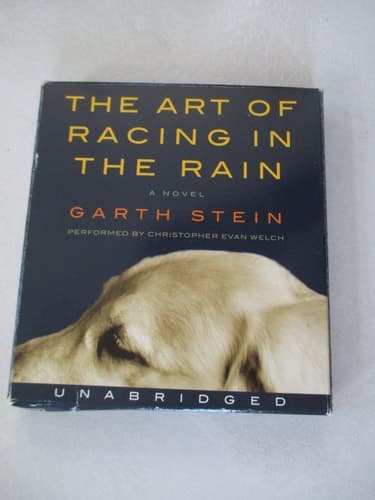
The Art of Racing in the Rain
by Garth Stein
This is your genre-stretch pick—it's a novel rather than history, told entirely from a dog's perspective as he witnesses his family's joys and heartbreaks. Where George showed us animals as soldiers, Stein shows us what animals understand about human suffering and loyalty. The emotional intelligence here rivals any war memoir, just filtered through a completely different lens.
View book
The Forgotten Soldier
by Guy Sajer
Published in 1971, this memoir gives you a different era's perspective on warfare—a German soldier's raw, unglamorous account of the Eastern Front. You'll recognize George's interest in the lived experience of those caught in conflict, but Sajer's voice is more introspective and haunted. The animals appear here too, but almost as ghosts in the landscape, making their absence as powerful as their presence in George's accounts.
View book
Simians, Cyborgs, and Women The Reinvention of Nature
by Donna Jeanne Haraway
A departure into natural history biography, but stay with me—Wulf traces how Alexander von Humboldt revolutionized our understanding of animals and ecosystems in the early 1800s. It shares George's gift for making you see creatures as individuals with agency and consequence, but expands the frame to show how animals shaped human thought itself. It's the philosophical ancestor to the kind of animal-centered history George practices.
View bookAbout Isabel George
Biography coming soon.
View author page