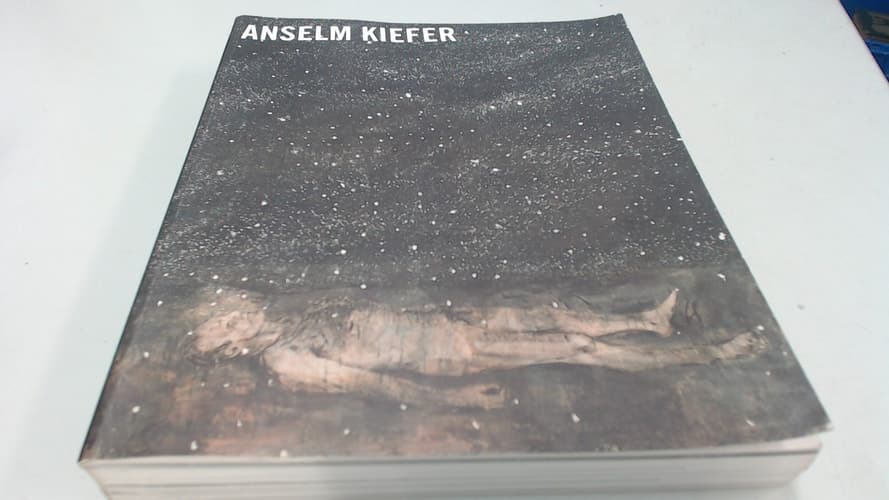
Synopsis
This monograph presents Kiefer's complete work to date, reproduced in full color.
Recommendations
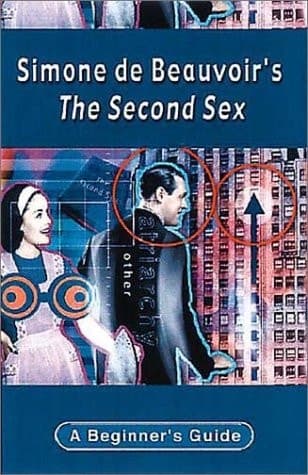
Simone de Beauvoir's the Second Sex
by George Myerson
Like Kiefer's dense, layered approach to visual meaning, de Beauvoir constructs philosophical arguments through accumulated historical and cultural evidence—each section building weight and complexity. Both artists refuse easy answers, instead asking you to sit with contradiction and ambiguity as they excavate what lies beneath surface assumptions about identity and representation.
View book
The Savage Detectives A Novel
by Roberto Bolaño
Bolaño's novel operates like a Kiefer canvas—fragmentary, digressive, layered with references that demand active participation from the reader. Both works refuse linear narrative in favor of accumulated impressions, marginal notes, and the spaces between things, creating meaning through density rather than clarity.
View book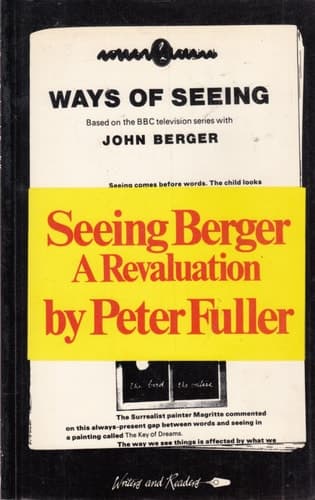
Seeing Berger: A Reevaluation of Ways of Seeing
by Peter Fuller (John Berger)
This 1972 essay collection is the theoretical companion piece you didn't know you needed—Berger deconstructs how we actually *look* at images, which feels essential after spending time with Kiefer's deliberately difficult, historically-haunted visual language. He'll change how you understand the relationship between artist, image, and viewer.
View book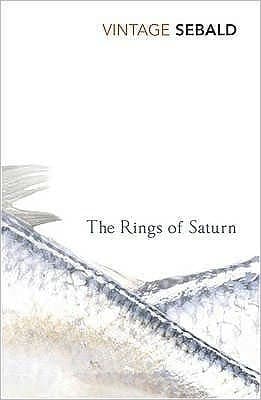
The Rings of Saturn
by Winfried Georg Sebald
Sebald's prose moves through landscape and history the way Kiefer's paintings do—accumulating loss, memory, and decay into something that feels both documentary and dreamlike. Both artists are obsessed with what remains, what's buried, and how the past refuses to stay past; the photographs woven through Sebald's text create that same unsettling collision between image and word.
View bookThe Savage Detectives A Novel
by Roberto Bolaño
This is the surprise pick: a playful, deliberately disorienting novel that shares Kiefer's interest in how meaning gets *constructed* rather than simply conveyed. Cortázar forces you to become an active participant in assembling the work—you can read it linearly or jump around, and the experience changes dramatically. It's visual thinking applied to prose.
View bookAbout Anselm Kiefer
Biography coming soon.
View author page