Synopsis
The stories in this collection tackle great events and figures of history, myth, and literature in unexpected ways, questioning views on such basic concepts as justice, progress, wisdom, belief, and patriotism.
Recommendations
The Apocalyptic Vision of Mikhail Bulgakov's the Master and Margarita (Studies in Slavic Language & Literature)
by Edward E. Ericson
Like Capek, Bulgakov uses historical and literary figures—here, Pontius Pilate and the Devil himself—to interrogate power, morality, and what we think we know about truth. Both writers share that mischievous quality of upending sacred narratives, though Bulgakov's Moscow is far more surreal and darkly comic than Capek's more measured irony.
View book
Invisible Cities
by Italo Calvino
This is a departure from straightforward narrative, but it shares Capek's fascination with how we construct meaning through stories. Calvino presents Marco Polo describing impossible cities to Kublai Khan—each one a meditation on concepts like memory, desire, and progress. You'll find the same playful philosophical depth, just expressed through fragmented, poetic vignettes rather than traditional stories.
View book
The Savage Detectives A Novel
by Roberto Bolaño
Bolaño obsesses over literary history and myth the way Capek does, but he's far more anarchic about it—following a group of poets on a wild journey through Mexico and Europe, constantly questioning what literature means and whether artists matter. It's longer and messier than Apocryphal Stories, but that same restless interrogation of received wisdom runs through every page.
View book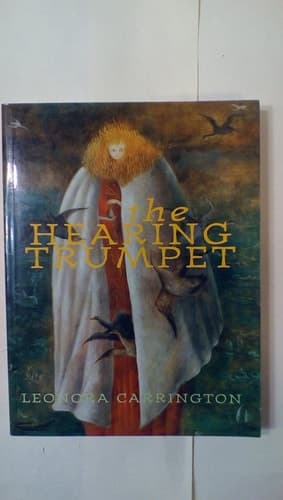
The Hearing Trumpet
by Leonora Carrington
A genuine surprise recommendation: this is surrealist fiction, not philosophical short stories, but Carrington shares Capek's interest in how institutions and belief systems shape us—here through the eyes of a 92-year-old woman in a nursing home who encounters the occult. It's whimsical where Capek is sardonic, but both writers use unexpected angles on familiar things (age, faith, society) to make us question our assumptions.
View book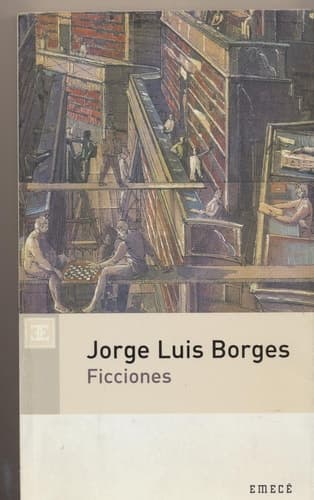
Ficciones
by Jorge Luis Borges
Borges is the closest spiritual cousin here—short, dense stories that treat ideas like characters and use literary history as a playground for philosophical inquiry. Where Capek reimagines historical figures, Borges invents fictional libraries and infinite texts; both writers understand that the best way to question justice or wisdom is through a story that makes you think twice about what you thought you knew.
View bookAbout Karel Capek
K
Karel Capek
1890–1938
Czech writer
View author page