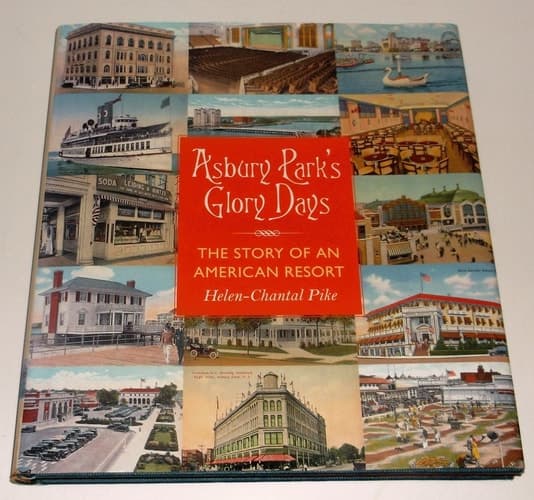
Asbury Park's Glory Days The Story of an American Resort
Helen C. PikePublished2005
Pages207
Formathardcover
PublisherRutgers University Press
Synopsis
Long before Bruce Springsteen picked up a guitar; before Danny DeVito drove a taxi; before Jack Nicholson flew over the cuckoo's nest, Asbury Park was a seashore Shangri-La filled with shimmering odes to civic greatness, world-renowned baby parades, temples of retail, and atmospheric movie palaces. It was a magnet for tourists, a summer vacation mecca-to some degree New Jersey's own Coney Island.
In Asbury Park's Glory Days, award-winning author Helen-Chantal Pike chronicles the city's heyday-the ninety-year period between 1890 and 1980. Pike illuminates the historical conditions contributing to the town's cycle of booms and recessions. She investigates the factors that influenced these peaks, such as location, lodging, dining, nightlife, merchandising, and immigration, and how and why millions of people spent their leisure time within this one-square-mile boundary on the northern coast of the state. Pike also includes an epilogue describing recent attempts to resurrect this once-vibrant city.
Recommendations
Gotham A History of New York City to 1898
by Edwin G. Burrows
Pike's meticulous chronicle of Asbury Park's rise and fall finds its perfect companion in this exhaustive urban history. Both books share that same detective-like approach to understanding how geography, immigration patterns, and commercial enterprise shape a city's destiny—but Burrows and Wallace zoom out to show you the larger American story that made places like Asbury Park possible in the first place.
View book
The Colossus of New York A City in Thirteen Parts
by Colson Whitehead
Here's your surprise pick: instead of another straightforward history, Whitehead captures the *feeling* of a great American city through lyrical, interconnected essays about its neighborhoods, transit systems, and forgotten corners. Where Pike documents Asbury Park's infrastructure and attractions, Whitehead does something more impressionistic—he writes about what it *meant* to inhabit these spaces, which gives you a different but complementary lens on why places matter to us.
View book
Boardwalk of Dreams Atlantic City and the Fate of Urban America
by Bryant Simon
This is the natural geographic and thematic neighbor to Pike's work—Atlantic City, just down the Jersey Shore, followed a remarkably similar arc of boom, dominance, and decline. McGarry traces the same forces (tourism, entertainment, changing leisure habits) but in a different setting, so you'll see patterns emerge that Pike's single-city focus couldn't quite highlight.
View book
Simians, Cyborgs, and Women The Reinvention of Nature
by Donna Jeanne Haraway
A departure in subject matter, but Wulf writes history the way Pike does—by showing how one person's vision and curiosity shaped how millions of people understood and experienced a place. Instead of a city, it's the natural world, but you'll recognize that same gift for making historical research feel like detective work, and for explaining why certain moments in time became transformative.
View book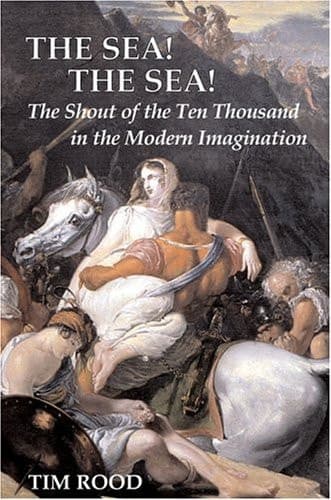
The Sea! the Sea!: The Shout of the Ten Thousand in the Modern Imagination
by Tim Rood
This one might seem like a complete left turn, but stay with me: Morris investigates how institutional systems and historical policies create cycles of decline in communities—she's asking the same fundamental question Pike asks about Asbury Park, but applied to education and race. Both authors are forensic in their approach, tracing how decisions made decades ago ripple through to shape present-day realities, and both write with genuine concern for the communities they're examining.
View bookAbout Helen C. Pike
Biography coming soon.
View author page