
Beethoven Was One-sixteenth Black
Nadine GordimerPublished2007
Pages192
Formathardcover
PublisherBloomsbury Pub Ltd
Synopsis
Gordimer, Nadine
Recommendations

Disgrace
by J. M. Coetzee
Like Gordimer, Coetzee writes about South Africa with unflinching moral complexity, but where Gordimer explores identity through cultural contradiction, Coetzee examines shame and complicity in a post-apartheid landscape. Both authors refuse easy answers, instead presenting characters who must reckon with uncomfortable truths about themselves and their society.
View book
The remains of the day de Kazuo Ishiguro
by Gallix/François
Ishiguro shares Gordimer's interest in how personal identity becomes entangled with historical forces—here, a butler's quiet life is revealed to be shaped by his complicity with fascism. The unreliable narrator gradually exposes what he's been avoiding, much like Gordimer's exploration of how we rationalize our positions within unjust systems.
View book
The Apocalyptic Vision of Mikhail Bulgakov's the Master and Margarita (Studies in Slavic Language & Literature)
by Edward E. Ericson
Here's your genre surprise: a magical realist political allegory from 1960s Soviet Russia that operates on multiple timelines and realities. Like Gordimer's layered approach to identity and history, Bulgakov uses fantastical elements to explore how power distorts truth and art—but with darkly comic energy rather than Gordimer's restraint.
View book
Americanah A novel
by Chimamanda Ngozi Adichie
Adichie examines race and identity across continents with the same unflinching intelligence Gordimer brings to her work, but through a contemporary lens and with more lyrical prose. Both writers refuse to let their characters—or readers—settle into comfortable positions about who they are and what they owe to history.
View book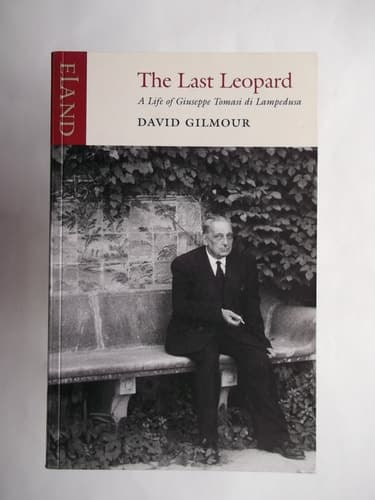
The Last Leopard: A Life of Giuseppe Tomasi di Lampedusa
by David Gilmour
Published in 1958, this Sicilian novel shares Gordimer's meditation on how individuals navigate historical upheaval—here, the Italian unification threatens an aristocratic family's world. Lampedusa's protagonist must decide what to preserve and what to surrender, wrestling with the same tension between personal identity and historical inevitability that animates Gordimer's work.
View bookAbout Nadine Gordimer
N
Nadine Gordimer
1923–2014
South Africa's first Nobel laureate in Literature (1991). Exceedingly polished, creative writer.
View author page