Synopsis
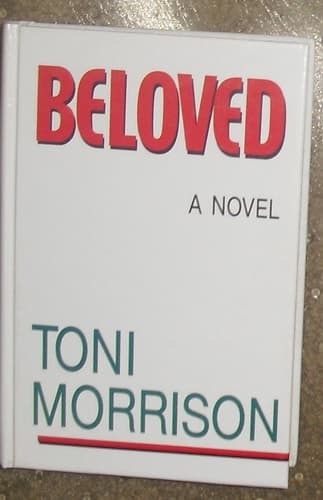
Staring unflinchingly into the abyss of slavery, this spellbinding novel transforms history into a story as powerful as Exodus and as intimate as a lullaby. Sethe, its protagonist, was born a slave and escaped to Ohio, but eighteen years later she is still not free. She has too many memories of Sweet Home, the beautiful farm where so many hideous things happened. And Sethe's new home is haunted by the ghost of her baby, who died nameless and whose tombstone is engraved with a single word: Beloved. Filled with bitter poetry and suspense as taut as a rope, Beloved is a towering achievement. After the Civil War ends, Sethe longingly recalls the two-year-old daughter whom she killed when threatened with recapture after escaping from slavery 18 years before.
Recommendations
The Complete Book of Solitaire and Patience Games The Most Comprehensive Book of Its Kind: Over 225 Games
by Albert H. Morehead
Like Morrison, Harmel excavates trauma through a woman's fragmented memories—here, a Jewish girl surviving WWII who must reclaim her identity after the war ends. Both novels understand that freedom from captivity isn't the same as freedom from its ghosts, and both use lyrical, almost incantatory prose to make historical horror feel viscerally present rather than distant.
View book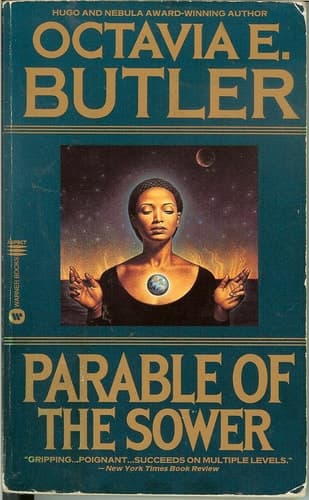
Parable of the Sower
by Octavia E. Butler
This 1993 speculative novel shares Beloved's unflinching gaze at systemic violence and its refusal to offer easy comfort, but Butler projects that violence into a near-future America where survival requires building community from scratch. The protagonist's voice has the same quiet authority as Sethe's—she speaks from hard-won wisdom rather than despair—and both authors treat their characters' resilience as something earned, not granted.
View book
The remains of the day de Kazuo Ishiguro
by Gallix/François
A departure in setting—a 1950s English butler reflecting on his life—but Ishiguro does what Morrison does: he lets you feel the weight of what's *not* said, the emotional architecture hidden beneath formal language. Both novels are about people haunted by choices made under impossible circumstances, and both use unreliable narration to show how we rationalize our own complicity.
View book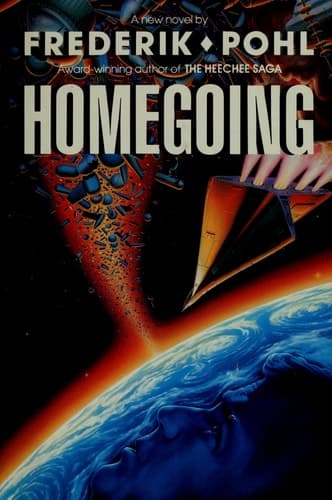
Homegoing
by Frederik Pohl
Gyasi traces two family lines—one enslaved, one enslavers—across centuries, giving you the scope of Beloved but across generations and continents. Like Morrison, she refuses to flatten her characters into symbols; each person carries their own contradictions and griefs. The novel's structure mirrors how trauma echoes through time, the way a single act of violence ripples across centuries.
View book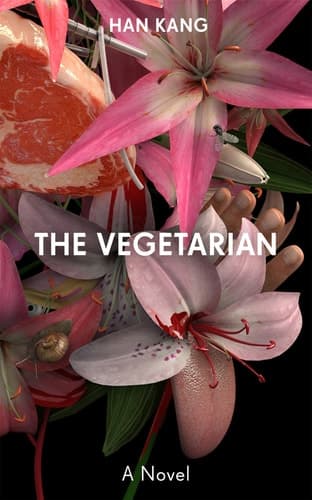
The Vegetarian A Novel
by Kang Han
Here's your surprise pick: a contemporary South Korean novel about a woman's quiet refusal to eat meat, which fractures her family and identity. It sounds nothing like Beloved, but Han Kang shares Morrison's interest in how bodies become sites of resistance and how one person's act of self-preservation can be read as violence by those around her. Both novels are deeply unsettling precisely because they make you question your own moral certainties.
View bookAbout Toni Morrison
T
Toni Morrison
1931–2019
Toni Morrison is a Nobel Prize and Pulitzer Prize-winning American author, editor, and professor. Her novels are known for their epic themes, vivid dialogue, and richly detailed black characters. Among her best known novels are *The Bluest Eye*, *Song of Solomon*, and *Beloved*. ([Source][1].) [1]:https://en.wikipedia.org/wiki/Toni_Morrison
View author page