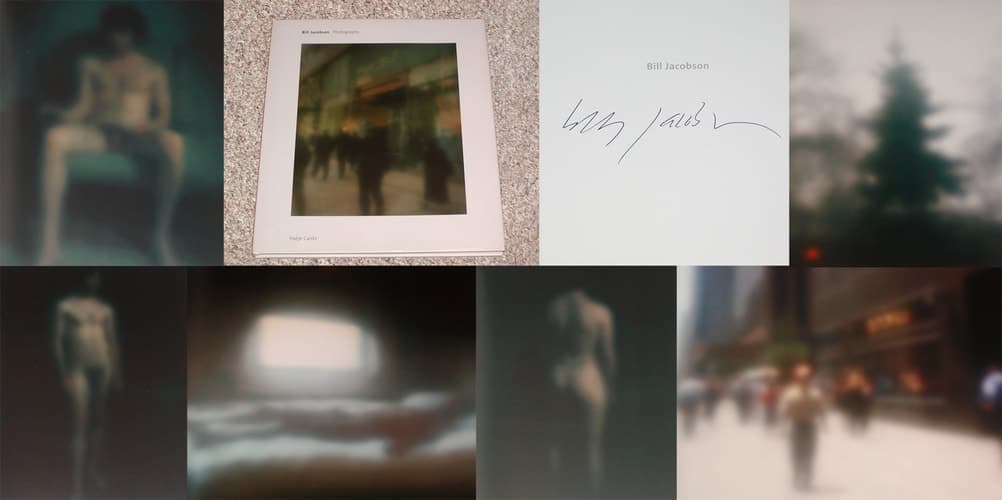
Synopsis
Bill Jacobson's photographs resist easy identification. They are blurred, diffuse and atmospheric, depicting only the vague outlines of urban scenes, rural landscapes and human figures. Enveloped by a dark or light mist, these shadowy forms refute the premise that photographs capture reality and serve as a reliable aid to memory. Instead, his photographs are images of vague recollections and forgotten experiences. They speak of mortality and dissolution, not only of the body but of its surroundings as well. His latest works, presented here, are related to two earlier series from the 1990s which were direct responses to the AIDS epidemic, but are more open-ended and universal in spirit.
Recommendations
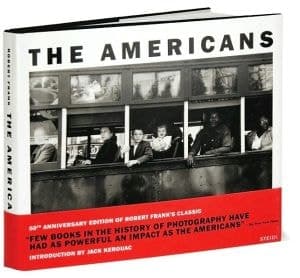
Robert Frank: The Americans
by Robert Frank
Frank's photographs, like Jacobson's, reject the documentary impulse—his grainy, off-center compositions of 1950s America capture emotional truth rather than factual clarity. Where Jacobson uses blur to suggest dissolution and memory's unreliability, Frank uses composition and grain to reveal the loneliness beneath ordinary surfaces. Both photographers treat the camera as a tool for introspection rather than documentation.
View book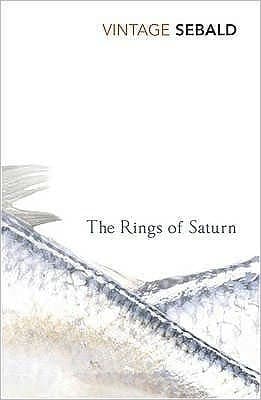
The Rings of Saturn
by Winfried Georg Sebald
Sebald's prose has the same dreamlike, dissolving quality as Jacobson's photographs—his narrator drifts through landscapes and history, unable to distinguish between what he's witnessed and what he's imagined, between present and past. Both works treat memory as something fundamentally unreliable and atmospheric, and both suggest that loss and mortality seep into everything we perceive, not just human bodies.
View book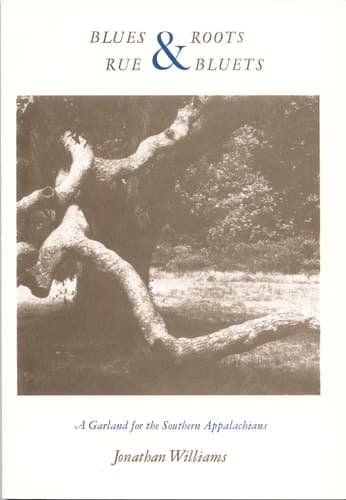
Blues and Roots/Rue and Bluets A Garland for the Southern Appalachians
by Jonathan Williams
Nelson's fragmented, essayistic meditation on color and loss operates in a similar register to Jacobson's work—both resist linear narrative and instead accumulate impressions, half-remembered details, and vague emotional states. Where Jacobson's mist obscures visual clarity, Nelson's digressions and theoretical asides obscure emotional clarity, yet both create something more truthful about experience than straightforward representation would allow.
View book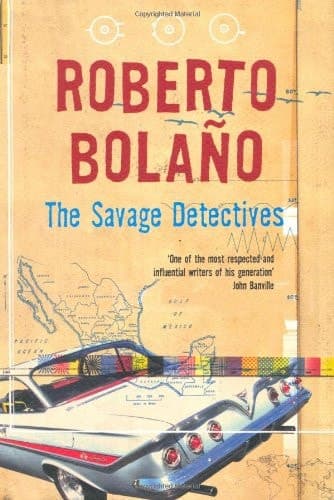
The Savage Detectives A Novel
by Roberto Bolaño
This is the surprise pick: Bolaño's novel sprawls across decades and continents in search of a disappeared poet, much like Jacobson's photographs search for meaning in obscured forms. Both works embrace incompleteness and ambiguity as fundamental to their structure—you're never quite sure what you're looking at, and that uncertainty is the point. The novel's treatment of artistic obsession and the traces people leave behind mirrors Jacobson's interest in what remains when clarity dissolves.
View book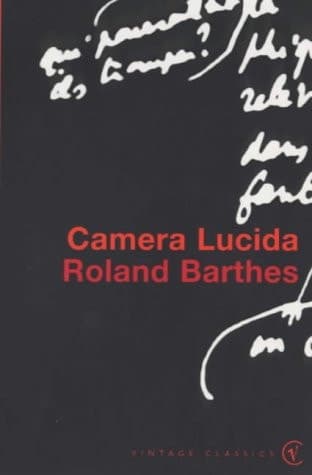
Camera Lucida Reflections on Photography
by Roland Barthes
Barthes's meditation on photography and loss—written after his mother's death—directly interrogates what photographs actually do and fail to do, which is precisely Jacobson's project. Barthes argues that photographs don't preserve the past; they wound us with the knowledge of time's passage. Reading this theoretical work alongside Jacobson's visual practice will deepen your understanding of why his blurred forms are so much more honest about memory than sharp ones could ever be.
View bookAbout Bill Jacobson
Biography coming soon.
View author page