
Synopsis
Book by Divakaruni, Chitra Banerjee
Recommendations

The Inheritance of Presupposition
by John Dinsmore
Like Black Candle, this weaves together family secrets across generations with magical realism rooted in cultural memory—but Córdova structures it as interconnected vignettes rather than linear narrative, which creates that same sense of piecing together a family's hidden truths. Both authors use folklore and ancestral knowledge as active forces in their characters' lives rather than mere backdrop.
View book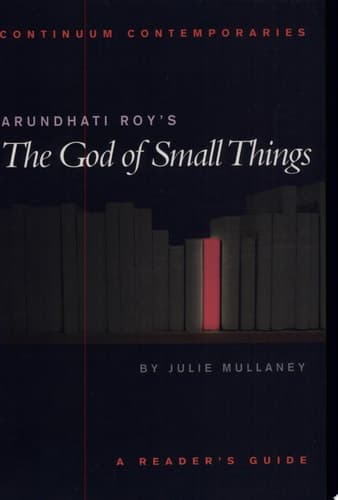
Arundhati Roy's The God of Small Things
by Julie Mullaney
Roy's prose has that same lyrical density and emotional precision you'd find in Divakaruni, but she's working in a more experimental, fragmented structure—time loops back on itself, language itself becomes playful and broken to match broken lives. If you loved how Black Candle handles the weight of women's experiences within families, Roy takes that exploration and makes it almost symphonic, with every detail resonating across the whole narrative.
View book
The Ten Thousand Doors of January
by Alix E. Harrow
This is my surprise pick for you—it's technically fantasy, but it operates more like literary fiction about belonging and displacement. Harrow uses the fantasy elements (doors between worlds) as metaphor for immigration and cultural displacement in ways that echo Divakaruni's concerns, but she's also deeply interested in how stories themselves can be acts of resistance and reclamation. The prose is lush without being overwrought, and the emotional core is about finding home.
View book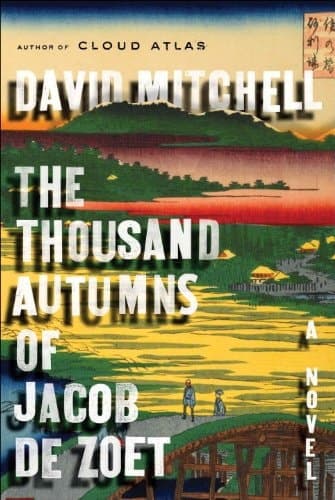
The Thousand Autumns of Jacob De Zoet A Novel
by David Stephen Mitchell
A departure in style—Mitchell's more formally ambitious and his canvas is historical rather than contemporary—but he shares Divakaruni's fascination with how power operates through intimate relationships, particularly across cultural boundaries. The novel unfolds through layered perspectives and time periods, and there's that same attention to how women navigate constrained circumstances with intelligence and agency that made Black Canary so compelling.
View book
From Survival to Significance The How-tos of Youth Ministry for the Twenty-first Century
by Troy Jones
This one's genuinely different—it's cli-fi told through multiple voices and formats—but Robinson shares Divakaruni's belief that personal stories and global systems are inseparable. Where Black Candle explores how history lives in individual bodies and choices, Robinson explores how individual choices ripple into collective futures. Both authors refuse to separate the intimate from the political, and both write with genuine hope despite acknowledging real suffering.
View bookAbout Chitra DIVAKARUNI
Biography coming soon.
View author page