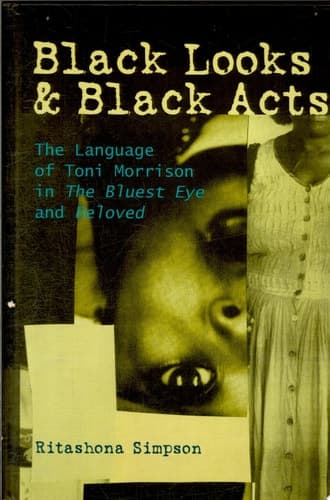
Black Looks & Black Acts The Language of Toni Morrison in The Bluest Eye and Beloved
Ritashona SimpsonPublished2007
Pages107
Formathardcover
PublisherPeter Lang
Synopsis
How does Toni Morrison use language to represent race? Answering this question through literary criticism and linguistic research, this book shows how Morrison's language reflects the souls of black folk in The Bluest Eye and Beloved. The book focuses on the way in which Morrison forces language to reveal what cannot be spoken by a «black» grammar. To achieve the breaking of this silence, Morrison uses rhetoric, voice, and narrative structures not conventionally used to achieve the effect of «black English.» Students and teachers of Toni Morrison's novels and black English will find this book useful.
Recommendations
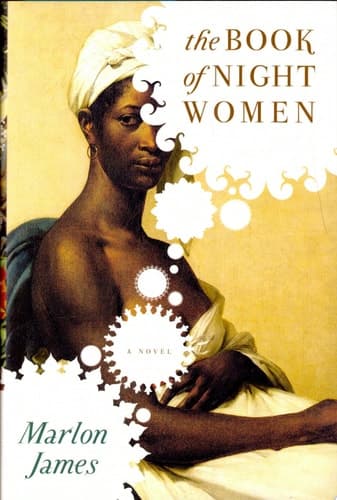
The Book of Night Women
by Marlon James
James constructs a narrative voice that's as linguistically inventive as Morrison's—he doesn't just represent Jamaican Patois, he makes the grammar itself do the emotional and political work of the story. Like Simpson's analysis of Morrison, this novel demands you listen to how language carries memory and resistance that standard English simply cannot.
View book
Ralph Ellison - Invisible Man
by Anke Balduf
Published in 1952, this is your bridge to an earlier tradition of African American literature that Morrison herself was in conversation with. Ellison uses unreliable narration and fragmented storytelling to represent the unspeakable—the protagonist's invisibility—in ways that prefigure Morrison's own linguistic strategies, making it essential context for understanding how she builds on and transforms the language of black literature.
View book
The Apocalyptic Vision of Mikhail Bulgakov's the Master and Margarita (Studies in Slavic Language & Literature)
by Edward E. Ericson
Here's the curveball: Bulgakov uses multiple narrative frames and linguistic registers to represent what cannot be directly stated under totalitarian censorship—much like Morrison uses black grammar to speak the unspeakable. The novel's formal playfulness with language as political resistance offers a fascinating cross-cultural parallel to Simpson's argument about Morrison's linguistic rebellion, just from a completely different context.
View book
Homegoing
by Frederik Pohl
Gyasi traces how trauma and silence move through generations across two continents, using shifts in narrative voice and linguistic texture to show how history lives in the body and speech of her characters. She's clearly learned from Morrison's playbook about how language carries what cannot be articulated, but applies it to the specific genealogies of the Middle Passage and its aftermath.
View book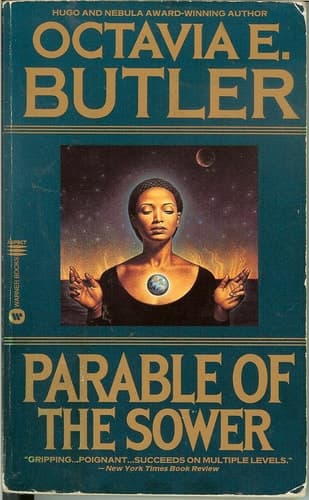
Parable of the Sower
by Octavia E. Butler
Butler's speculative fiction uses fragmented narrative forms—journal entries, prayers, aphorisms—to represent a protagonist developing her own language and belief system in response to social collapse. It's a surprise recommendation because it's science fiction, but Butler's linguistic experimentation with how marginalized voices create meaning through non-standard forms shares Simpson's core interest in how language becomes a tool for survival and truth-telling outside conventional structures.
View bookAbout Ritashona Simpson
Biography coming soon.
View author page