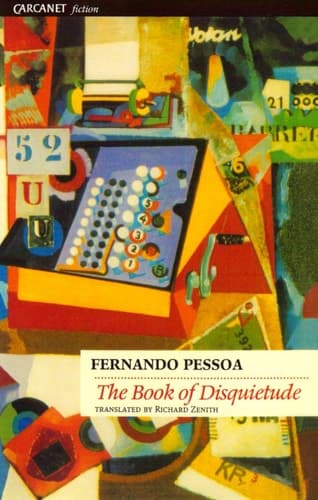
Synopsis
First published in 1982, this is the "factless autobiography" of Bernardo Soares, one of the 72 literary personae or "heteronyms" with which Fernando Pessoa created the theatre of his absence. The circular text returns again and again to a protagonist desperate to find out who he is.
Recommendations
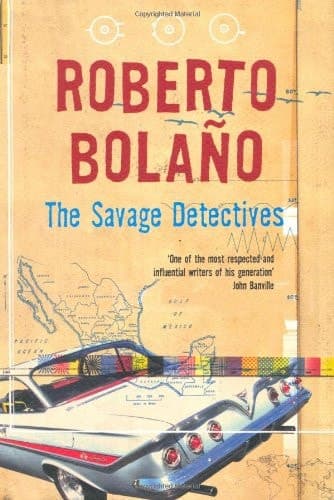
The Savage Detectives A Novel
by Roberto Bolaño
Like Soares, Bolaño's narrators are obsessed with tracking something elusive—in this case, a mysterious poet—across fragmented testimonies and digressive monologues that circle back on themselves. Both books treat the search for identity and meaning as more important than any resolution, and both authors use their prose style itself as a character grappling with existence.
View book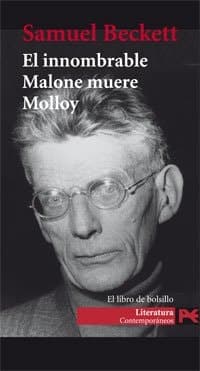
Estuche - Samuel Beckett: Molloy - Malone muere - El innombrable (Spanish Edition)
by Samuel Beckett
Beckett's protagonist narrates his own dissolution with the same circular, obsessive quality as Soares—returning again and again to the question of who he is and whether his memories are even real. The prose itself becomes a maze of contradictions and retractions, mirroring the impossibility of self-knowledge that haunts the Book of Disquietude.
View book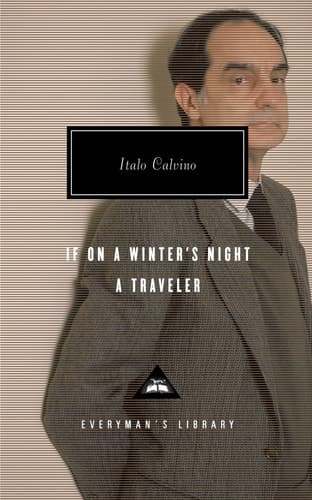
If on a Winter's Night a Traveler Introduction by Peter Washington
by Italo Calvino
This is a surprise pick, but Calvino shares Pessoa's fascination with fractured identity and multiple selves—here, the reader becomes a character navigating through incomplete narratives and shifting perspectives. Where Pessoa uses heteronyms to explore consciousness, Calvino uses metafiction to make you experience the vertigo of not knowing who 'you' are in a text.
View book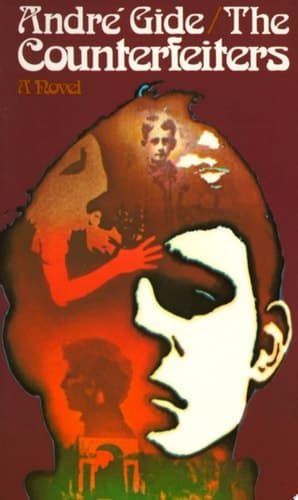
The Counterfeiters A Novel
by Unknown
Published in 1925, this earlier modernist work shares Pessoa's interest in authenticity versus artifice—Gide's characters are constantly performing versions of themselves, and the novel itself contains a novel-within-a-novel, creating the same hall-of-mirrors effect you find in Soares's heteronymic existence. Both authors ask: what remains when we strip away all the masks?
View book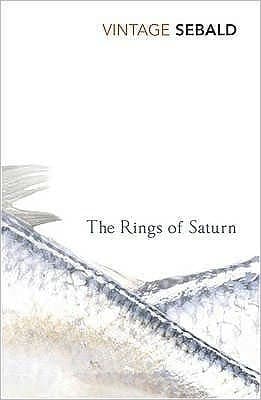
The Rings of Saturn
by Winfried Georg Sebald
Sebald's narrator wanders through landscape and memory in a state of profound melancholy, accumulating observations and digressions that feel less like a plot and more like consciousness itself—much like Soares's entries. Both writers use fragmentation and tangential thinking to capture the texture of being alive and uncertain, and both pair sparse, meditative prose with an almost archaeological attention to forgotten details.
View bookAbout Fernando Pessoa
F
Fernando Pessoa
1888–1935
Fernando António Nogueira Pessoa (Lisboa, 13 de junho de 1888 – Lisboa, 30 de novembro de 1935) foi um poeta português identificado com o modernismo, amplamente reconhecido como um dos principais expoentes da língua portuguesa e o maior poeta lusófono do século XX. Atuou também como dramaturgo, ensaísta, tradutor, publicitário, astrólogo, inventor, empresário, correspondente comercial, crítico literário e comentador político. ---------- Fernando Pessoa was a Portuguese poet, writer, literary critic, translator, publisher, and philosopher, described as one of the most significant literary figures of the 20th century and one of the greatest poets in the Portuguese language.
View author page