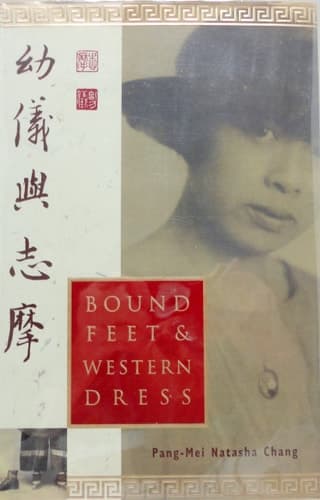
Synopsis
"In China, a woman is nothing." Thus begins this harrowing dual memoir that braids the story of Chinese-American Pang-Mei's own search for identity with the dramatic tale of her great-aunt, Chang Yuyi, born at the turn of the century in tradition-bound China. In alternating voices, Pang-Mei captivates the reader as she tells the story of Yuyi's battle with her mother to stop the painful foot-binding process, the first in a series of rebellions that marked her extraordinary life. This deeply textured portrait of Chinese life in the perilous years between the fall of the last emperor and the Communist Revolution captures, above all, the struggle of fiercely independent women emerging from centuries of customs and ideals, both subtle and pronounced.
In pitch-perfect prose and vivid detail, Bound Feet And Western Dress is about the power of storytelling as Yuyi confides her innermost dreams and demons with her brilliant and assimilated American-born niece in this splendiferous literary debut.
Recommendations
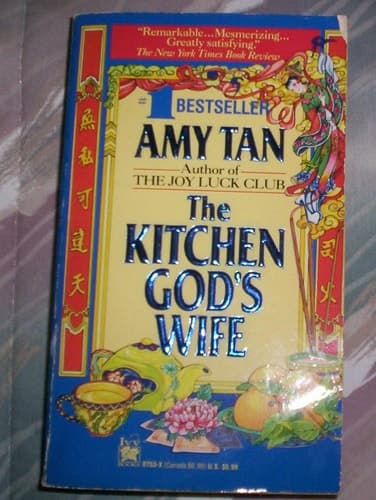
The Kitchen God's Wife
by Amy Tan
Like Chang's alternating narratives, Tan weaves together a Chinese mother's hidden past with her American-born daughter's present-day discovery, creating that same intimate tension between tradition and assimilation. Both authors capture how women's silences across generations become their most powerful stories, and Tan's prose has that same lyrical precision when describing the small, devastating details of a woman's interior life.
View book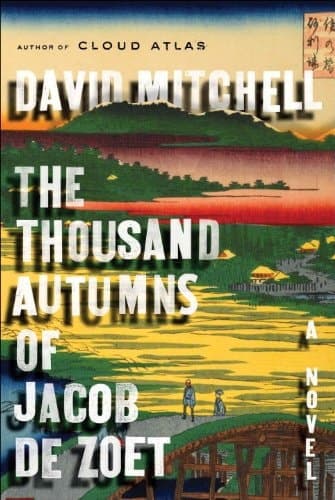
The Thousand Autumns of Jacob De Zoet A Novel
by David Stephen Mitchell
Mitchell constructs a historical novel set in 18th-century Japan that captures the same collision between Eastern tradition and Western intrusion that haunts Chang's narrative, but from a completely different angle—through a Dutch trader's eyes. His layered prose and attention to how power operates through small gestures and unspoken hierarchies will feel familiar, though his scope is grander and his structure more architecturally complex.
View book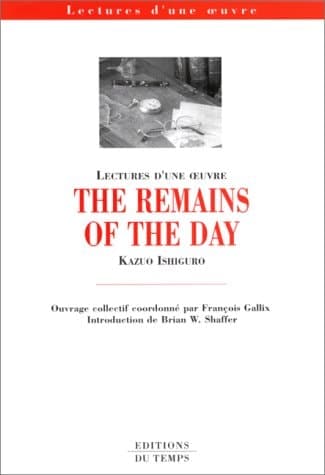
The remains of the day de Kazuo Ishiguro
by Gallix/François
Here's my curveball: this English butler's memoir shares Chang's obsession with what remains unspoken between people who love each other, and how duty and propriety can calcify a life. Ishiguro's narrator, like both Pang-Mei and Yuyi, is slowly excavating the truth of his own story, and the emotional archaeology—that careful uncovering of suppressed desire and regret—mirrors the intimacy of Chang's dual narrative structure.
View book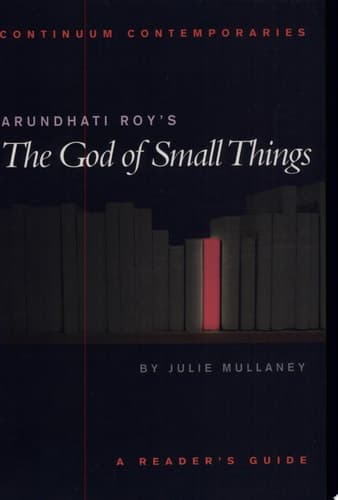
Arundhati Roy's The God of Small Things
by Julie Mullaney
Roy's 1997 debut (published just after Chang's) explodes the form of family history by fragmenting time and language itself, showing how colonial and caste systems crush women's autonomy in ways both violent and invisible. While her style is more experimental than Chang's, both writers are obsessed with how personal rebellion against tradition becomes a political act, and how storytelling can resurrect what power systems tried to erase.
View book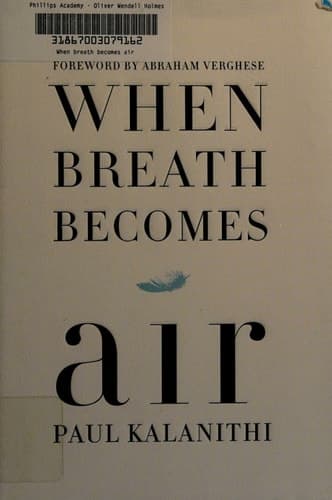
When Breath Becomes Air Pulitzer Prize Finalist
by Paul Kalanithi
This memoir operates in a completely different register—a neurosurgeon confronting mortality—but it shares Chang's conviction that the most profound truths emerge through intimate, unflinching self-examination. Kalanithi's prose has that same crystalline quality, and both writers understand that the deepest stories aren't about grand events but about how we construct meaning when everything we thought was stable begins to crumble.
View bookAbout Pang-Mei Chang
Biography coming soon.
View author page