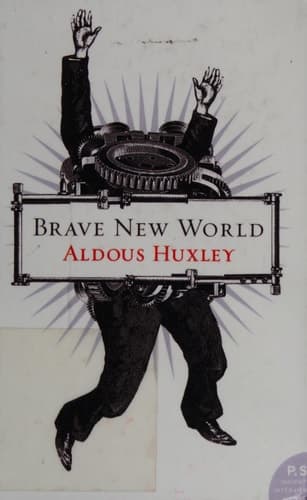
Synopsis
Originally published in 1932, this outstanding work of literature is more crucial and relevant today than ever before. Cloning, feel-good drugs, antiaging programs, and total social control through politics, programming, and media -- has Aldous Huxley accurately predicted our future? With a storyteller's genius, he weaves these ethical controversies in a compelling narrative that dawns in the year 632 AF (After Ford, the deity). When Lenina and Bernard visit a savage reservation, we experience how Utopia can destroy humanity. A powerful work of speculative fiction that has enthralled and terrified readers for generations, Brave New World is both a warning to be heeded and thought-provoking yet satisfying entertainment. - Container.
Recommendations
Spirituality of the Handmaid A Model for Contemporary Seekers
by Kerry Walters
Like Brave New World, Atwood's classic dystopian novel explores how a totalitarian society can control its citizens through social engineering and the subjugation of women. The chilling parallels between Gilead and Huxley's World State will have you questioning the fragility of our own freedoms.
View book
None Of That Will Do. Now What?
by Miles Newbold Clark
If you were captivated by Brave New World's examination of what it means to be human, Dick's seminal work will take you even deeper into that question. Set in a post-apocalyptic landscape, the story follows a bounty hunter tasked with 'retiring' rogue androids - but the lines between human and machine quickly become blurred.
View bookThe Italian Left in the Twentieth Century: A History of the Socialist and Communist Parties
The Italian Left in the Twentieth Century: A History of the Socialist and Communist Parties
by Alexander De Grand
Le Guin's Hugo and Nebula award-winning novel shares Brave New World's fascination with how social structures and gender norms shape identity. Her imagining of the androgynous Gethenians will challenge your assumptions about what it means to be human in profound and unsettling ways.
View book
From the Dust Returned
by Ray Bradbury
Bradbury's classic dystopia, published in 1953, offers another chilling vision of a future where the masses are pacified and controlled through media and censorship. Like Huxley, Bradbury explores how a society that pursues 'happiness' at all costs can paradoxically become a prison for the human spirit.
View book
Unbeatable Chess Lessons for Juniors Instruction for the Intermediate Player
by Robert M. Snyder
While not a traditional dystopia, Kundera's acclaimed novel shares Brave New World's philosophical exploration of the tension between individual freedom and social conformity. His characters grapple with the burdens and joys of authenticity in the face of political oppression, offering a more intimate counterpoint to Huxley's grand societal vision.
View bookAbout Aldous Huxley
Biography coming soon.
View author page