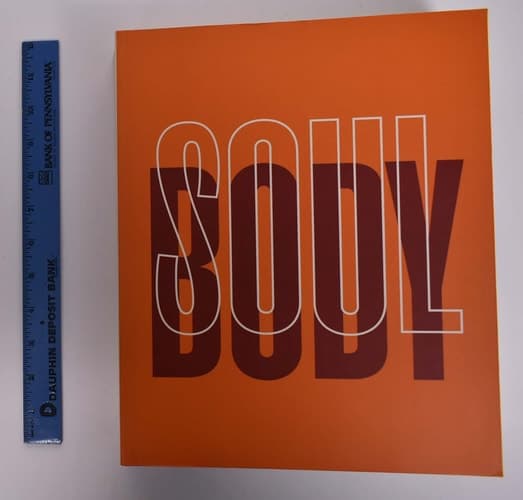
Brazil Body & Soul
Solomon R. Guggenheim museum (New York, N.Y.)Published2001
Pages600
Formathardcover
PublisherGuggenheim Museum
Synopsis
A Guggenheim Museum Publication
With the participation of Nelson Aguilar, Emanoel Araujo, Germano Celant, Mari Marino, and Robert Stam
This magnificent volume-and the exhibition it accompanies at the Solomon R. Guggenheim Museum-is a soaring tribute to the harmonious nature of Brazilian art and culture. Juxtaposing Baroque masterpieces from the 17th and 18th centuries with essential works of modern and contemporary art as well as indigenous and Afro-Brazilian arts, the book's editors explore the integration of sensorial and spiritual experience in Brazilian art-the union of body and soul.
Included are some 350 paintings, sculptures, and decorative objects, ranging from a monumental Baroque altarpiece to contemporary photographic works and installations. Throughout, the text reveals the deep cultural links between the different periods, tracing the indigenous, African, and European influences in Brazilian art from the Baroque era to the present.
Approximately 350 illustrations, 500 pages, 10 x 12"
Recommendations
Slaves, Masters, and the Art of Authority in Plautine Comedy
by Kathleen McCarthy
Freyre's foundational work does for Brazilian social history what your book does for its visual culture—he traces how indigenous, African, and Portuguese influences wove together to create something entirely new. If you appreciated how *Brazil Body & Soul* revealed those deep cultural layers across centuries, Freyre's sociological approach will deepen your understanding of *why* those artistic integrations happened the way they did.
View book
The Savage Detectives A Novel
by Roberto Bolaño
Here's your surprise pick: this sprawling novel is obsessed with the same kind of cultural archaeology you just encountered in the museum catalog—tracking movements, influences, and the messy reality behind artistic movements. Bolaño writes like he's curating an exhibition of human behavior, jumping between voices and time periods the way your book juxtaposed Baroque altarpieces with contemporary installations.
View book
Aesthetics of Equilibrium The Vanguard Poetics of Vicente Huidobro and Mário de Andrade
by Bruce Dean Willis
Published in 1928, this modernist novel is essentially a literary equivalent of what you just studied—it deliberately blends indigenous mythology, African folklore, and European literary forms into something that shouldn't work but absolutely does. The book's playful chaos mirrors that same sensorial and spiritual integration you encountered in the visual arts.
View book
Southern Night Sky A Glow-in-the-Dark Guide to Prominent Stars and Constellations South of the Equator
by James Kavanagh
Tawada writes in fragments and connections rather than linear narrative, much like how *Brazil Body & Soul* organized its 350 objects thematically rather than chronologically. Her essays explore how cultures intersect and transform each other—she's essentially doing what your curators did, but with language and memory instead of paint and sculpture.
View book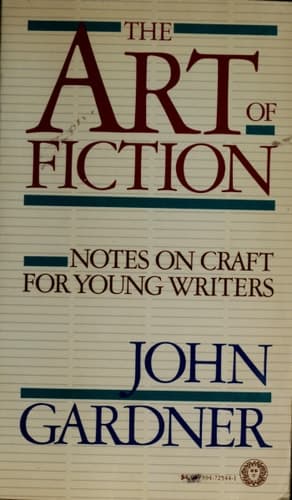
The Art of Fiction Notes on Craft for Young Writers
by John Gardner
A practical shift here: Gardner's craft book is unexpectedly relevant because he teaches writers to think like visual artists—about composition, balance, the relationship between foreground and background. Since you've just spent time with 500 pages of carefully curated visual objects, this will help you understand the *principles* behind that curation, and how those same principles apply to any art form.
View bookAbout Solomon R. Guggenheim museum (New York, N.Y.)
Biography coming soon.
View author page