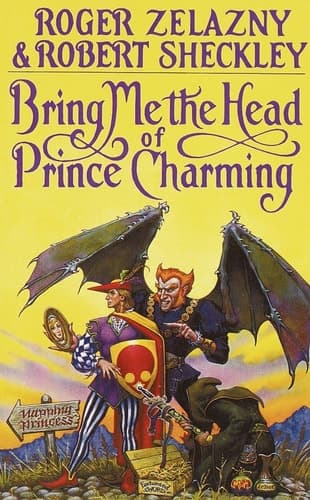
Bring Me the Head of Prince Charming: A Novel
Roger ZelaznyPublished1991
Pages288
Formatpaperback
PublisherRandom House Worlds
Synopsis
A satire of epic proportions from the masters of comic fantasy Roger Zelazny and Robert Sheckley
People feared, back in the Middle Ages, that the world would end with the millennium. They weren’t wrong. It does this every millennium, only nobody notices—except for the Forces of Good and Evil who vie for control of the universe every thousand years.
Bring Me the Head of Prince Charming concerns the efforts of one Azzie Elbub, demon, to win the Millennial Evil Deeds award for the year 1000, given to the being whose acts do the most toward reshaping the world. Azzie’s proposal to the Powers of Dark is simple: He will create a Prince Charming and a Sleeping Beauty. In time-honored fairy-tale fashion, the prince will fight his way through numerous perils to reach the side of the spellbound princess—at which point Azzie’s evil twist will ensure that the Powers of Dark will win the grand prize. But even with an unlimited satanic credit card to order up any evil he needs, Azzie’s plan is in trouble from the beginning. . . .
“Zelazny and Sheckley make for a synergy that’s just about unequaled in . . . fantasy humor.”—Minneapolis Star Tribune
Recommendations

The Eyre Affair
by Jasper Fforde
Fforde shares Zelazny and Sheckley's gift for treating absurd premises with complete seriousness—here, a world where people can jump into books and literary characters have legal rights. The humor comes from the collision between bureaucratic mundanity and fantastical stakes, and like Prince Charming, it's stuffed with clever riffs on familiar stories that reward a reader who catches the references.
View book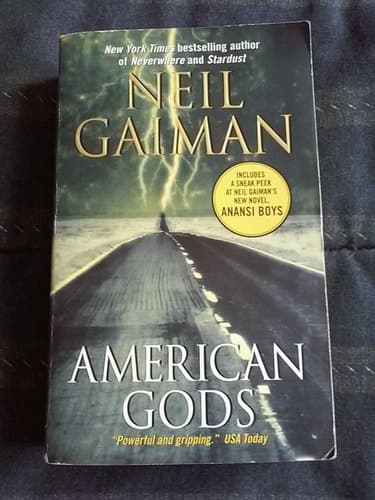
American gods
by Neil Gaiman
Both novels pit cosmic forces against each other using America as their chessboard, but where Zelazny and Sheckley go for rapid-fire absurdist comedy, Gaiman builds a darker, more atmospheric version of the same idea—ancient powers struggling for relevance in the modern world. The tone is grittier, but you'll recognize that same delight in subverting mythology and playing with the rules of how stories work.
View book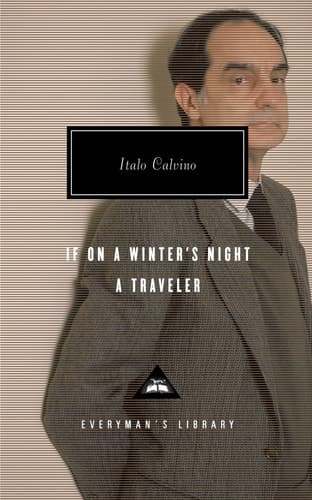
If on a Winter's Night a Traveler Introduction by Peter Washington
by Italo Calvino
This is the curveball recommendation, but hear me out: Calvino's metafictional puzzle-box shares the same mischievous energy as Prince Charming—both books are constantly winking at the reader about how stories work, how characters behave, and what we expect from narratives. Where Zelazny and Sheckley use that awareness for comedy, Calvino uses it for philosophical play, but the underlying joy in dismantling and reassembling storytelling conventions is identical.
View book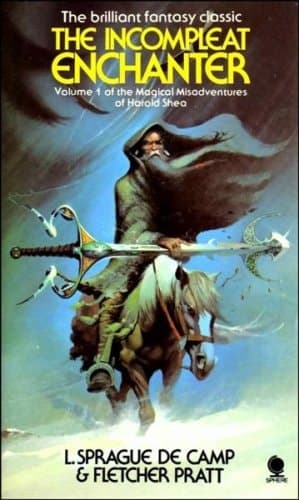
The Incompleat Enchanter
by Lyon Sprague De Camp
Published in 1941, this earlier fantasy uses the same strategy of dropping modern sensibilities into mythological worlds—here, a psychologist and engineer navigate Arthurian legend and Norse mythology with 20th-century logic. It's got that same blend of erudition and humor, where the fun comes from watching rational people try to game systems that don't follow rational rules.
View book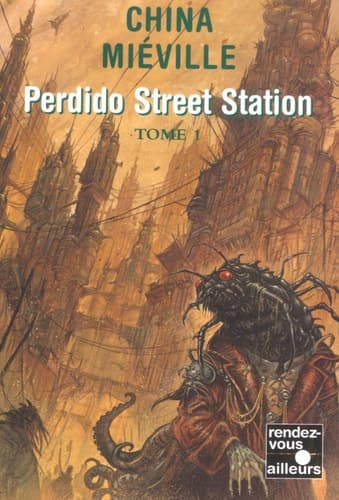
Perdido Street Station
by China Miéville
Miéville writes dark, baroque fantasy where reality itself seems negotiable—demons and angels would feel right at home in his New Crobuzon. While it's far grittier than Prince Charming's comedic romp, it shares that same willingness to treat supernatural bureaucracy and cosmic conflict as material for serious worldbuilding, plus Miéville has a sly sense of humor lurking beneath the gothic atmosphere.
View bookAbout Roger Zelazny
Biography coming soon.
View author page