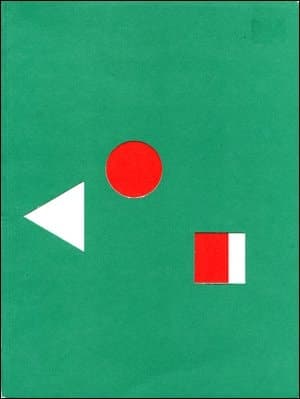
Synopsis
Artwork by Daniel Buren, Guy Brett. Text by Helio Oiticica.
Recommendations

George Dalgarno on Universal Language 'The Art of Signs' (1661), 'The Deaf and Dumb Man's Tutor' (1680), and the Unpublished Papers
by David Cram
Like Buren's systematic interrogation of how context shapes perception, Harrison documents Art & Language's conceptual investigations into the nature of artistic meaning itself. Both works treat the gallery space and viewer experience as active participants in the artwork rather than passive containers, making the act of looking a philosophical problem to be solved.
View book
Comments on the Society of the Spectacle
by Guy Debord
Published in 1967, this gives you the theoretical backbone for understanding why artists like Buren became obsessed with deconstructing how images and spaces manipulate perception. Debord's analysis of how capitalism colonizes visual experience directly informs the stripe paintings' radical refusal to be consumed as commodity objects.
View book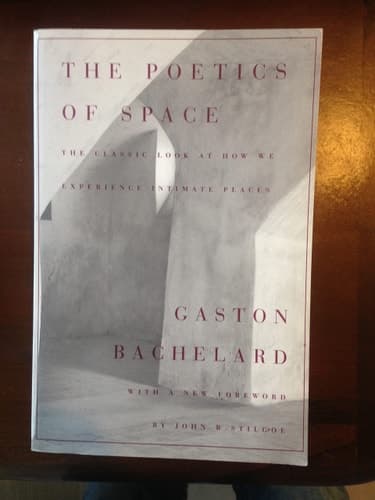
The Poetics of Space
by Gaston Bachelard
Here's the surprise pick: a phenomenological meditation on how intimate spaces shape consciousness. While Bachelard writes about homes and corners, he's asking the same question Buren asks about gallery walls—how does the physical environment we inhabit actually structure our inner experience? It's lyrical where Buren is austere, but the obsession with spatial phenomenology is identical.
View book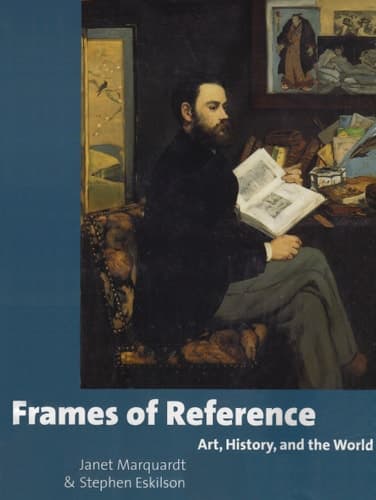
Frames of Reference Art, History, and the World
by Janet Marquardt
Fried's essays on minimalism and the viewer's bodily presence in front of artworks provide crucial context for understanding Buren's project—particularly how the stripes force you to confront your own position as a viewing subject. Where Buren uses repetition and site-specificity as weapons, Fried theorizes why those weapons matter.
View book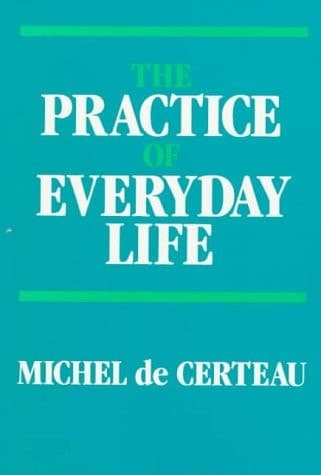
The Practice of Everyday Life
by Michel de Certeau
De Certeau's focus on how ordinary people tactically navigate and reappropriate institutional spaces echoes Buren's interest in how viewers move through and interpret gallery environments. Both authors refuse to treat spaces as neutral backdrops, instead showing how meaning emerges from the friction between design and lived experience.
View bookAbout Daniel Buren
D
Daniel Buren
1937–1980
Biography coming soon.
View author page