Synopsis
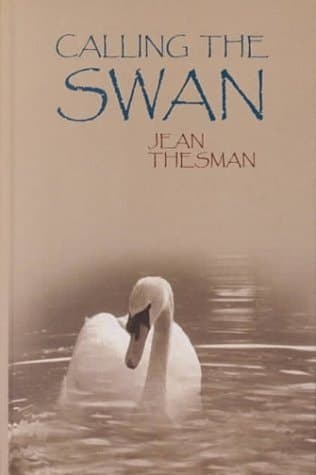
Since the unspeakable thing happened to their family three years ago, Skylar Deacon's parents have hated to let her out of their sight. Now she's going to summer school, and it's a struggle to leave each morning. Skylar's older sister offers her support, but Skylar is the one who has to brave the bus, the school, the strangers . . . and the truth about what made the Deacon family outcasts. Does she have the strength to stop looking back and face the future? "Thesman handles the characters with sympathy and understanding. [Readers] will be carried through the book by the lure of their unresolved secrets . . . This is a very fine book." (School Library Journal, starred review)
Recommendations

The Sky is Everywhere
by Jandy Nelson
Nelson captures that same claustrophobic feeling of grief pressing down on a teenager trying to navigate normal life—Lennie's loss is immediate and raw where Skylar's is historical, but both authors understand how trauma can make the everyday world feel impossibly heavy. The way Nelson weaves music and sensory details into emotional processing mirrors how Thesman uses small moments to reveal larger family wounds.
View book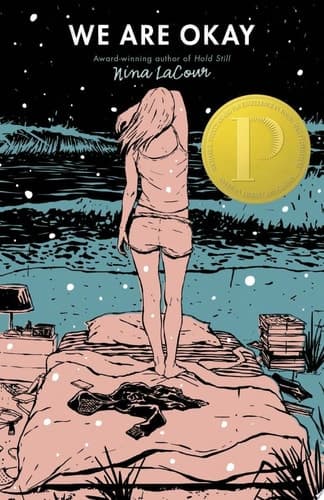
We Are Okay
by Nina LaCour
This is a quieter, more introspective take on secrets and family estrangement—Marin is also carrying something heavy that's shaped her entire adolescence, and like Skylar, she has to decide whether to keep hiding or risk vulnerability. LaCour's prose has that same gentle but unflinching quality Thesman brings to difficult subjects, examining how shame can isolate us from people who love us.
View book
The Poet X
by Elizabeth Acevedo
A completely different formal approach—Acevedo writes in verse—but she's wrestling with the same core tension: a young woman caught between family expectations and her own emerging self, trying to understand what she owes to people she loves while figuring out who she actually is. The compressed, rhythmic language creates intensity without melodrama, much like Thesman's restrained emotional style.
View book
Speak
by Laurie Halse Anderson
Here's your surprise pick: Anderson's novel is structured around a silence—Melinda's refusal to speak—while Thesman's is structured around an unspoken truth. Both explore how trauma creates distance from peers and how reclaiming your voice is an act of survival. Anderson's approach is more overtly dark, but the psychological architecture of how shame operates is remarkably similar.
View book
The Miseducation of Tabitha Stone
by Emily Durkheim
Published in 2012, this gives you a different era while maintaining that same unflinching look at how families and institutions can wound young people. Cameron's story involves her own unspeakable thing, and like Skylar, she has to navigate the gap between what happened and what people believe happened—Danforth explores how reputation and truth diverge with real psychological nuance.
View bookAbout Jean Thesman
Biography coming soon.
View author page