Synopsis
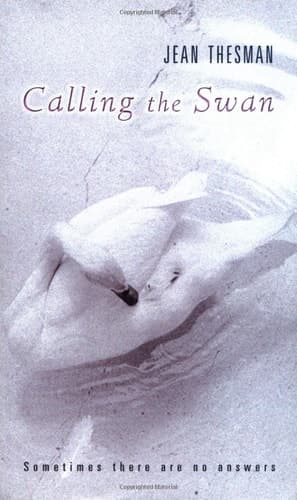
Since the unspeakable thing happened to their family three years ago, Skylar Deacon's parents have hated to let her out of their sight. Now she's going to summer school, and it's a struggle to leave each morning. Skylar's older sister offers her support, but Skylar is the one who has to brave the bus, the school, the strangers . . . and the truth about what made the Deacon family outcasts. Does she have the strength to stop looking back and face the future?
"Thesman handles the characters with sympathy and understanding. [Readers] will be carried through the book by the lure of their unresolved secrets . . . This is a very fine book." (School Library Journal, starred review)
Recommendations
The Sky is Everywhere
by Jandy Nelson
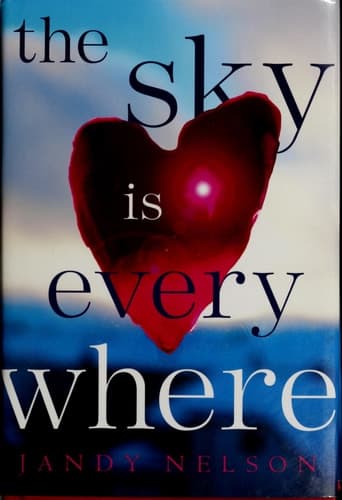
Nelson captures that same claustrophobic feeling of grief pressing down on a teenager's daily life, but she lets her protagonist move through it with music and messy relationships rather than paralysis. Like Skylar, Lennie has to navigate the gap between what people think happened to her family and what she actually feels—and both authors trust their readers to sit with that uncomfortable ambiguity.
View book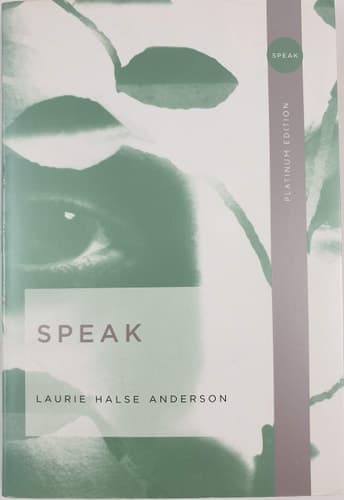
Speak
by Laurie Halse Anderson
Anderson does what Thesman does—she makes the reader piece together an unspeakable truth gradually, through Melinda's isolation and her slow reclamation of her voice. Both books understand that sometimes the hardest part isn't the event itself, but learning to exist in a world that knows about it and learning to speak about it yourself.
View book
The Poet X
by Elizabeth Acevedo
This one's written in verse, which might feel like a departure, but Acevedo uses that form to capture the exact feeling Thesman explores—the pressure of family expectations, the need to hide parts of yourself, and the courage it takes to step outside. The compressed language actually mirrors how it feels when you're suffocating under family secrets: everything becomes urgent and condensed.
View book
S.E. Hinton: the Collection: The Outsiders / Rumble Fish / That Was Then, This Is Now
by S.E. Hinton
I know this feels like a classic everyone's read, but here's why it matters for you: Hinton wrote this at seventeen, and it has that same unflinching look at how quickly a family can become 'other' in their community's eyes. Ponyboy's struggle to maintain normalcy while his family is marked as outsiders—that's the exact emotional core of Calling the Swan, just from a different era and perspective.
View book
The Princess and the Goblin
by George MacDonald
This is my surprise pick—it's fantasy, but what makes it work is Addison's focus on a young person thrust into an impossible situation where everyone watches him, judges him, and he has no idea what he's supposed to do. Like Skylar, Maia has to navigate a world where he's an outsider by circumstance, where people whisper about his past, and where showing vulnerability feels dangerous. The magic is almost secondary to the emotional precision.
View bookAbout Jean Thesman
Biography coming soon.
View author page