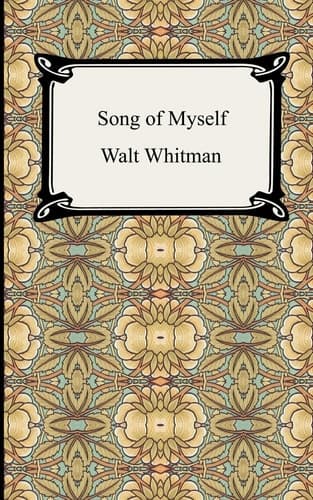
Synopsis
"This book offers the most comprehensive and detailed reading to date of Song of Myself. One of the most distinguished critics in Whitman Studies, Ed Folsom, and one of the nation's most prominent writers and literary figures, Christopher Merrill, carry on a dialog with Whitman, and with each other, section by section, as they invite readers to enter into the conversation about how the poem develops, moves, improvises, and surprises. Instead of picking and choosing particular passages to support a reading of the poem, Folsom and Merrill take Whitman at his word and interact with "every atom" of his work. The book presents Whitman's final version of the poem, arranged in fifty-two sections; each section is followed by Folsom's detailed critical examination of the passage, and then Merrill offers a poet's perspective, suggesting broader contexts for thinking about both the passage in question and the entire poem"--
Recommendations
Generating recommendations…
Our AI is preparing recommendations for Song of Myself. This usually takes under a minute.
About Walt Whitman
W
Walt Whitman
1819–1892
Walt Whitman was an American poet, essayist, journalist, and humanist. He was a part of the transition between Transcendentalism and realism, incorporating both views in his works. Whitman is among the most influential poets in the American canon, often called the father of free verse.[1] His work was very controversial in its time, particularly his poetry collection Leaves of Grass, which was described as obscene for its overt sexuality. ([Source][1].) [1]:https://en.wikipedia.org/wiki/Walt_Whitman
View author page