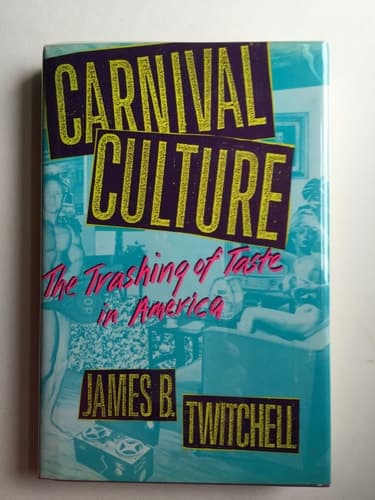
Carnival Culture: The Trashing of Taste in America
James B. TwitchellPublished1992
Pages306
Formathardcover
PublisherColumbia Univ Pr
Synopsis
Examines how the expansion of mass culture is affecting American taste and argues that a persistent exploitation of vulgarity in American art will soon eliminate the line between kitsch and the fine arts.
Recommendations
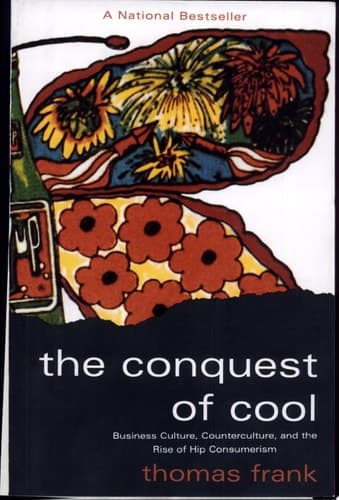
The Conquest of Cool Business Culture, Counterculture, and the Rise of Hip Consumerism
by Thomas Frank
Frank traces exactly the mechanism Twitchell warns about—how advertising and corporations systematically absorbed rebellion and anti-establishment aesthetics into the mainstream marketplace. Where Twitchell diagnoses the symptom, Frank gives you the historical playbook of how we got here, examining the same erosion of cultural boundaries through a different lens.
View book
The Success and Failure of Fredric Jameson Writing, the Sublime, and the Dialectic of Critique
by Steven Helmling
Published in 1944, this is the intellectual ancestor of Twitchell's argument—Adorno and Horkheimer were already dissecting the 'culture industry' decades before mass culture reached its current saturation point. Reading this will show you where Twitchell's concerns come from philosophically, and you'll see how prescient these Frankfurt School thinkers were about standardization masquerading as choice.
View book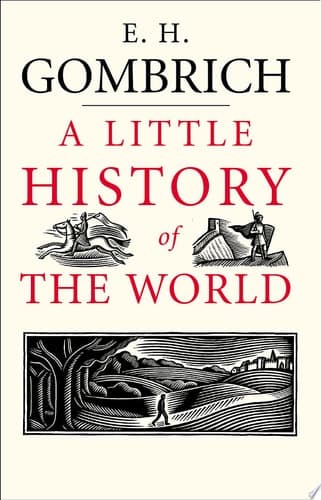
A Little History of the World
by E. H. Gombrich
This is the surprise pick—it's ostensibly a cheerful art history primer, but Gombrich's way of showing how taste and artistic standards have *always* been contested and remade across cultures gives you essential context for understanding whether Twitchell's anxiety about kitsch is actually new or just the eternal complaint of one generation about the next. It's a palate-cleanser that complicates the argument.
View book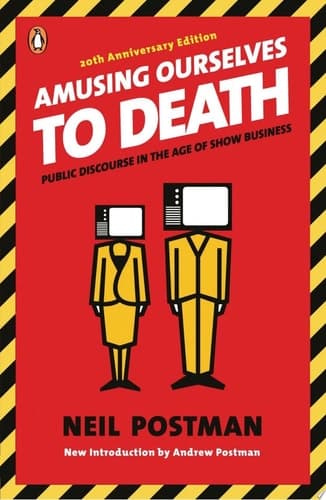
Amusing Ourselves to Death Public Discourse in the Age of Show Business
by Neil Postman
Postman examines how entertainment logic has colonized every sphere of public life—news, politics, education—in ways that directly extend Twitchell's thesis about the blurring of high and low culture. But Postman's focus on *how we think* rather than just *what we consume* gives you a sharper tool for understanding the consequences of what Twitchell observes.
View book
Modern Art and Popular Culture Readings in High & Low
by Kirk Varnedoe
Rather than lamenting the collapse of boundaries between high and low art, Varnedoe actually *shows* you the productive, sometimes brilliant ways that artists have been mining popular culture and kitsch for over a century. It's a direct counterargument to Twitchell's pessimism—you'll find yourself debating whether the mixing he fears is actually a creative opportunity he's missing.
View bookAbout James B. Twitchell
J
James B. Twitchell
Born 1943
Biography coming soon.
View author page