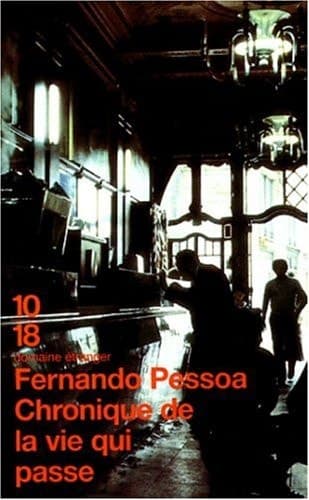
Chronique de la vie qui passe
Fernando PessoaPublished1998
Pages413
FormatPocket Book
PublisherLa Différence
Synopsis
Porté aux nues par les plus grands -d'Octavio Paz à Roman Jakobson et Antonio Tabucchi -, Pessoa compte aujourd'hui avec un Rilke, un Joyce ou un Kafka, comme l'un des sommets de la culture européenne de ce siècle. Ce premier volume des proses publiées de son vivant par l'auteur réunit, parmi d'autres, certains des textes dont le style provocateur lui valut d'être remercié par les rédacteurs des journaux où ils furent publiés. Pessoa y soutenait "le contradictoire comme thérapeutique de libération", allant jusqu'à prétendre "qu'une créature de nerfs modernes, d'intelligence sans niveaux et de sensibilité éraillée a l'obligation cérébrale de changer d'opinion et de certitude plus fois dans la même journée". Pour Pessoa, écrire, c'est comme fabriquer une bombe : il entoure sa dynamite d'une enveloppe de raisonnement, il lui met une traînée de poudre d'humour. Au lecteur d'allumer la mèche !
Recommendations
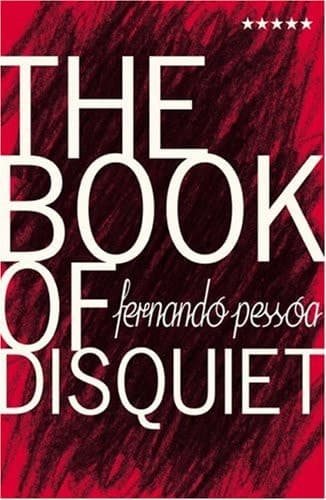
The Book of Disquiet
by Fernando Pessoa
Wait—I know what you're thinking. But hear me out: if you loved the provocative fragmentation and philosophical restlessness of *Chronique*, this semi-autobiographical prose poem collection takes that same contradictory spirit and deepens it into something almost meditative. Where *Chronique* throws intellectual bombs, *Disquiet* builds labyrinths of doubt. You'll recognize Pessoa's voice, but it's like watching him think in real time rather than argue.
View book
Estuche - Samuel Beckett: Molloy - Malone muere - El innombrable (Spanish Edition)
by Samuel Beckett
Beckett shares Pessoa's conviction that consciousness is fundamentally unstable—his narrator can't remember if he's moving forward or backward, can't trust his own observations, and contradicts himself with the same gleeful provocation Pessoa championed. But where Pessoa uses wit as a weapon, Beckett uses it as a crutch for someone trying to make sense of senselessness. The prose has that same nerve-jangling quality, but filtered through absurdist comedy.
View book
If on a Winter's Night a Traveler Introduction by Peter Washington
by Italo Calvino
Calvino does something Pessoa would have loved: he makes the reader complicit in the act of reading itself, constantly shifting perspectives and refusing to settle into a single narrative. Like Pessoa's insistence on changing opinions multiple times daily, this novel embraces multiplicity as its central pleasure—you're never quite sure whose story you're in, and that uncertainty is the whole point. It's playful where Pessoa is combative, but equally committed to destabilizing certainty.
View book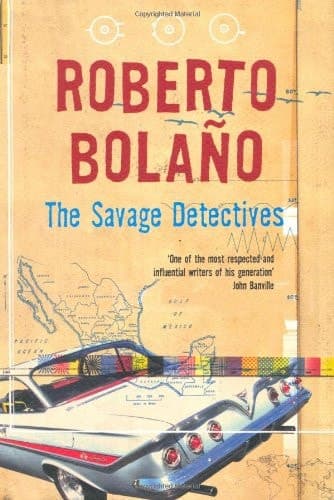
The Savage Detectives A Novel
by Roberto Bolaño
Here's your surprise pick: this sprawling novel reads like what would happen if Pessoa's contradictory impulses were let loose across an entire literary underground. Bolaño captures that same restless intellectual energy—characters constantly changing their minds, pursuing contradictory philosophies, treating ideas like weapons—but grounds it in the gritty reality of failed poets and bohemian drifters. It's Pessoa's "dynamite wrapped in reasoning" applied to actual human chaos rather than abstract prose.
View bookAbout Fernando Pessoa
F
Fernando Pessoa
1888–1935
Fernando António Nogueira Pessoa (Lisboa, 13 de junho de 1888 – Lisboa, 30 de novembro de 1935) foi um poeta português identificado com o modernismo, amplamente reconhecido como um dos principais expoentes da língua portuguesa e o maior poeta lusófono do século XX. Atuou também como dramaturgo, ensaísta, tradutor, publicitário, astrólogo, inventor, empresário, correspondente comercial, crítico literário e comentador político. ---------- Fernando Pessoa was a Portuguese poet, writer, literary critic, translator, publisher, and philosopher, described as one of the most significant literary figures of the 20th century and one of the greatest poets in the Portuguese language.
View author page