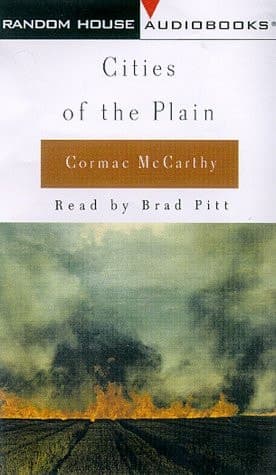
Cities of the Plain (McCarthy, Cormac, Border Trilogy, Volume 3/Cassette/Abridged)
Cormac McCarthyPublished1998
Formataudiobook
PublisherRandom House Audio
Synopsis
2 cassettes / 3 hours
Read by Brad Pitt
Abridgment approved by the author
In this final volume of The Border Trilogy, two men marked by the boyhood adventures of All the Pretty Horses and The Crossing now stand together, in the still point between their vivid pasts and uncertain futures, to confront a country changing or already changed beyond recognition.
In the fall of 1952, John Grady Cole and Billy Parham--nine years apart in age, yet with a kinship greater than perhaps they know--are cowboys on a New Mexico ranch encroached upon from the north, at Alamogordo, by the military. To the south, always on the horizon are the mountains of Mexico, looming over El Paso, Ciudad Juárez and all the cities of the plain.
Bound by nature to horses and cattle and range, these two discover that ranchlife domesticity is compromised, for them and the men they work with, by a geometry of loss afflicting old and young alike, those who have survived it and anyone about to try. And what draws one of them across the border again and again, what would bind "those disparate but fragile worlds," is a girl seized by ill fortune, and a love as dangerous as it is inevitable.
This story of friendship and passion is enfolded in a narrative replete with character and place and event--a blind musician, a marauding pack of dogs, curio shops and ancient petroglyphs, a precocious shoe-shine boy, trail drives from the century before, midnight on the highway--and with landforms and wildlife and horses and men, most of all men and the women they love and mourn, men and their persistence and memories and dreams.
With the terrible beauty of Cities of the Plain--with its magisterial prose, humor both wry and out-right, fierce conviction and unwavering humanity--Cormac McCarthy has completed a landmark of our literature and times, an epic that reaches from tales of the old west, the world past, into the new millennium, the world to come.
Recommendations
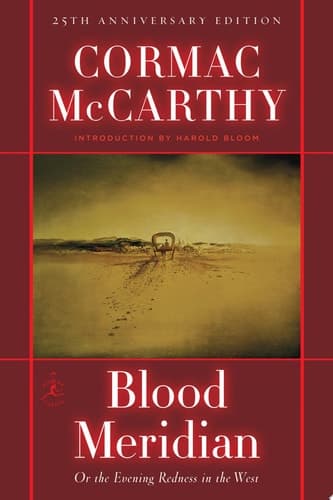
Blood Meridian, Or, The Evening Redness in the West
by Cormac McCarthy
Wait—I know you just finished McCarthy, but hear me out: if you experienced Cities of the Plain as an audiobook, Blood Meridian demands the opposite. This earlier novel has McCarthy's most baroque, almost biblical prose—dense paragraphs that require you to sit with the language itself. It's the same American West mythology but stripped of the elegiac friendship that anchors Cities; instead you get pure, unflinching violence as landscape.
View book
The Brothers and Sisters Learn to Write Popular Literacies in Childhood and School Cultures
by Anne Haas Dyson
DeWitt captures that same kinship between men bound by circumstance and history—two brothers navigating a changing frontier during the Gold Rush—but he leavens McCarthy's bleakness with dark humor and genuine tenderness. Where McCarthy's prose is austere, deWitt's is warmer, almost conversational, yet the melancholy runs just as deep. You'll recognize the emotional architecture but experience it through a different lens entirely.
View book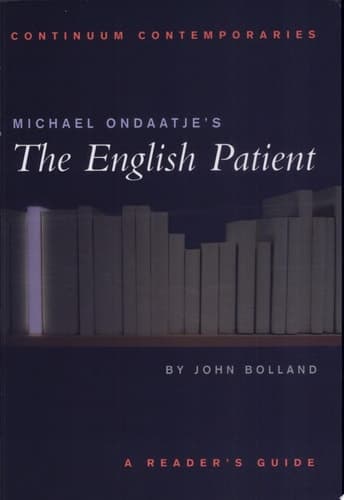
Michael Ondaatje's The English Patient A Reader's Guide
by John Bolland
This is my surprise pick: Ondaatje writes about love and war with the same lyrical intensity McCarthy brings to loss, but he fragments time and identity in ways that feel almost musical. Like Cities of the Plain, it's haunted by a doomed romance and the geography of borders—but Ondaatje uses North Africa and Italy as characters themselves, the way McCarthy uses the Mexican landscape. His prose is more sensual where McCarthy's is austere, yet equally devastating.
View book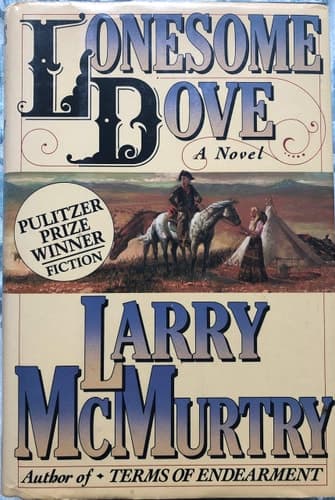
Lonesome Dove A Novel
by Larry McMurtry
McMurtry gives you the epic Western scope you crave but with a generosity of spirit toward his characters that McCarthy withholds. Two aging former Rangers, a cattle drive across impossible terrain, the pull of Mexico—the plot echoes Cities of the Plain, but McMurtry's Texas is lived-in and humorous in ways that make the tragedy hit differently. It's longer, more sprawling, and occasionally funny in a way that makes the heartbreak feel earned rather than inevitable.
View book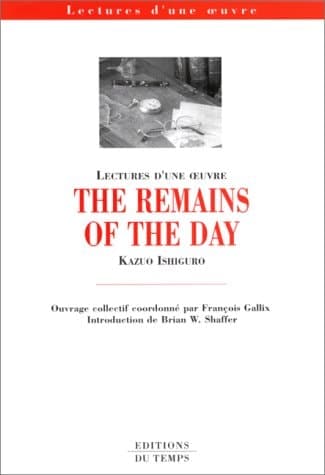
The remains of the day de Kazuo Ishiguro
by Gallix/François
A completely different world—a British butler in post-WWII England—but Ishiguro does something McCarthy also does: he lets you feel the magnitude of what his protagonist *doesn't* say. Both books are about men shaped by duty and circumstance, unable to fully articulate what they've lost or what they might have chosen differently. Ishiguro's restraint mirrors McCarthy's, and the quiet devastation accumulates the same way. It's proof that McCarthy's emotional power isn't dependent on the frontier setting.
View bookAbout Cormac McCarthy
C
Cormac McCarthy
1933–2023
Cormac McCarthy (born Charles Joseph McCarthy Jr.) is an American writer who has written twelve novels, two plays, five screenplays, and three short stories, spanning the Western and postapocalyptic genres. He is known for his graphic depictions of violence and his unique writing style, recognizable by a sparse use of punctuation and attribution. McCarthy is widely regarded as one of the greatest contemporary American writers.
View author page