Synopsis
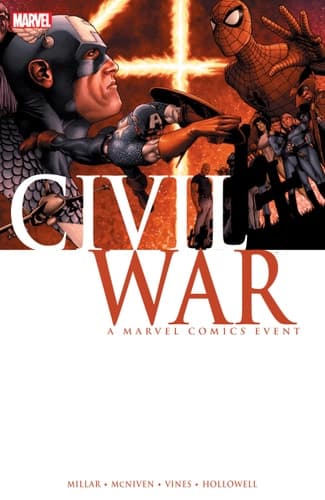
Collects Civil War (2006) #1-7. Whose side are you on? A conflict is brewing that threatens to pit friend against friend, brother against brother and all it will take is a single misstep to cost thousands their lives and ignite the fuse! As the war claims its first victims, no one is safe as teams, friendships and families begin to fall apart and the Marvel Universe super heroes go to war against each other.
Recommendations
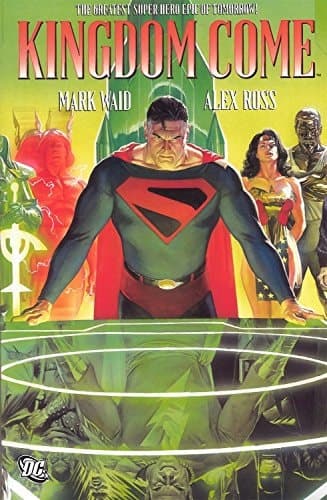
Kingdom Come
by Mark Waid
Waid takes that same fractured superhero universe concept but approaches it through a prophetic lens—an older Superman watches the next generation of heroes tear themselves apart, and you're constantly questioning whether he's trying to prevent catastrophe or cause it. Where Millar's Civil War is kinetic and immediate, Waid builds dread through restraint, making the ideological collapse feel almost inevitable rather than explosive.
View book
The Traitor and the Spy Benedict Arnold and John André
by James Thomas Flexner
This is my curveball for you—it's fantasy, not superhero comics, but Dickinson writes internal political warfare with the same ruthless logic Millar brings to superhero conflict. A young woman infiltrates an empire to destroy it from within, and like Civil War, every alliance fractures under the weight of competing ideologies and personal betrayal. The real enemy isn't always who you think it is.
View book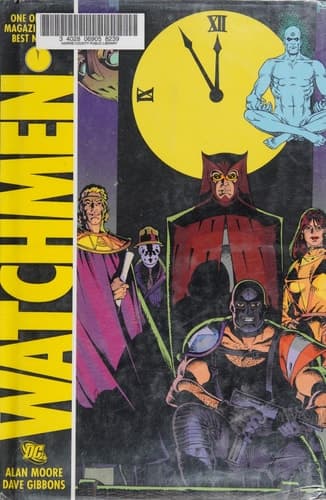
Watchmen
by Alan Moore
Moore's 1986 deconstruction of the superhero genre shares Civil War's DNA—heroes with irreconcilable philosophies, collateral damage that matters, and the question of whether any of them are actually heroes at all. But Moore's approach is surgical where Millar's is visceral; he's asking what happens when you take superheroes seriously as political actors, not just as icons.
View book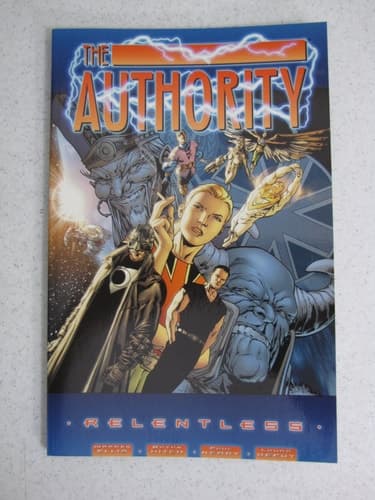
Authority, The: Relentless
by Warren Ellis
Ellis writes a team of overpowered heroes who decide to reshape the world according to their values, and the story becomes about whether that's salvation or tyranny. It has Civil War's DNA—heroes with incompatible worldviews, massive collateral damage, the question of who gets to decide what's right—but Ellis leans into the cosmic-scale consequences rather than the personal betrayals.
View book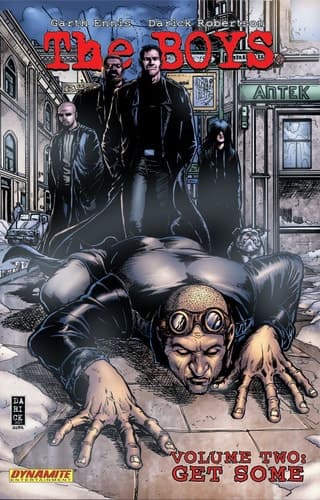
The Boys
by Garth Ennis
Ennis takes the superhero-conflict premise and asks a meaner question: what if the heroes were actually corrupt, and ordinary people had to fight back? It's got the same team-versus-team structure as Civil War, but inverts the moral framework entirely—there's no noble cause here, just survival and the question of how far you'll go to stop monsters wearing capes.
View bookAbout Mark Millar
M
Mark Millar
Born 1969
Biography coming soon.
View author page