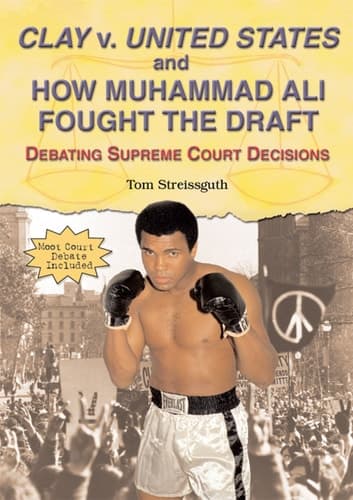
Clay V. United States and how Muhammad Ali Fought the Draft Debating Supreme Court Decisions
Thomas StreissguthPublished2006
Pages112
FormatLibrary Binding
PublisherEnslow Publishers
Synopsis
In 1967, the boxer Muhammad Ali, previously known as Cassius Clay, refused to be inducted into the U.S. armed forces. Ali claimed that his religion of Islam did not allow him to fight in the Vietnam War. Author Tom Streissguth explores the topic of conscientious objectors, those who object to war for reasons of religion or conscience. He shows how the case of Muhammad Ali got to the U.S. Supreme Court and how the Court made its decision. The book includes a chapter on how students can conduct a moot court, a mock judicial proceeding, that will help them understand the real case.
Recommendations
The Case of the Speluncean Explorers Nine New Opinions
by Peter Suber
Fuller presents a fictional Supreme Court case through multiple judicial opinions, letting you see how different justices reason through an impossible ethical dilemma. Like Streissguth's moot court approach, this teaches you to think like a judge by wrestling with competing legal philosophies rather than being told the 'right' answer—except here the case involves castaways and cannibalism instead of draft resistance.
View book
Alex Haley's The Autobiography of Malcolm X
by Anita J. Aboulafia
Since you've just explored how Ali's religious convictions shaped his legal stand, you'll find Malcolm X's parallel journey through the Nation of Islam equally gripping—but told in his own voice rather than through court documents. Haley's collaborative approach creates an intimate portrait of a man navigating faith, identity, and defiance in America during the same turbulent era.
View book
Bury My Heart at Wounded Knee An Indian History of the American West
by Dee Brown
Brown's 1970 history examines how the U.S. government systematically broke treaties and ignored the conscience objections of Native Americans to forced assimilation and warfare. Where Streissguth focuses on one pivotal Supreme Court case, Brown zooms out to show the larger pattern of how American institutions have historically dismissed dissent based on deeply held beliefs.
View book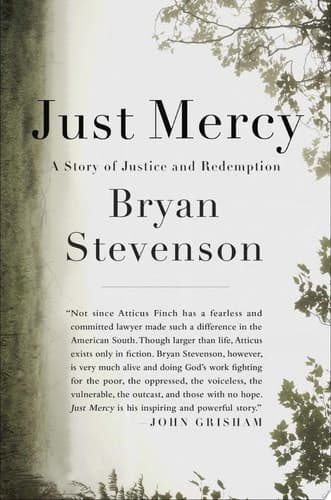
Just Mercy A Story of Justice and Redemption
by Bryan Stevenson
Stevenson writes as a young lawyer fighting death penalty cases, so you get the courtroom drama and constitutional arguments you appreciated in the Ali case, but filtered through the eyes of someone actually arguing before judges. His cases involve conscience, systemic injustice, and the gap between what the law says and what it does—themes that echo through Streissguth's exploration of Ali's legal battle.
View book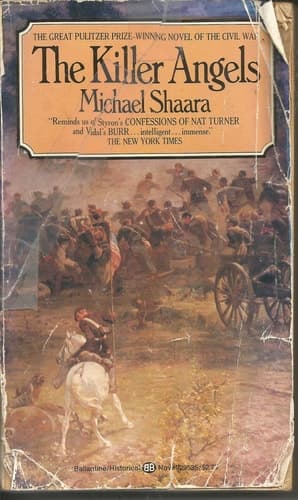
The Killer Angels
by Michael Shaara
Here's the curveball: a historical novel about the Battle of Gettysburg told from multiple perspectives—Union and Confederate soldiers, generals, and officers all grappling with conscience during an unjust war. While it's fiction rather than legal analysis, Shaara explores the same tension Ali faced: how do individuals with moral convictions act when caught in a system demanding their participation in something they believe is wrong?
View bookAbout Thomas Streissguth
T
Thomas Streissguth
Born 1958
Biography coming soon.
View author page