Synopsis
Life is delicious in the town of Chewandswallow where it rains soup and juice, snows mashed potatoes, and blows storms of hamburgers--until the weather takes a turn for the worse.
Recommendations
The Phantom Tollbooth
by Norton Juster
Like Barrett's Chewandswallow, Juster creates a world where language and logic become delightfully literal—a boy drives through a tollbooth into kingdoms where you can eat letters and swim in seas of words. Both books share that same anarchic joy where the rules of reality bend to match the author's sense of humor, and both treat their impossible worlds with complete matter-of-fact sincerity.
View book
The Fortunate Fall of Sir Gawain The Typology of Sir Gawain and the Green Knight
by Victor Yelverton Haines
Gaiman takes the everyday (a missing bottle of milk) and spirals it into cosmic absurdity with time travel, dinosaurs, and alien invasions—much like how Barrett took weather and made it edible. The tone is conspiratorial and playful, with a parent figure explaining increasingly ridiculous events to skeptical children, creating that same sense that anything can happen if you just accept the premise.
View book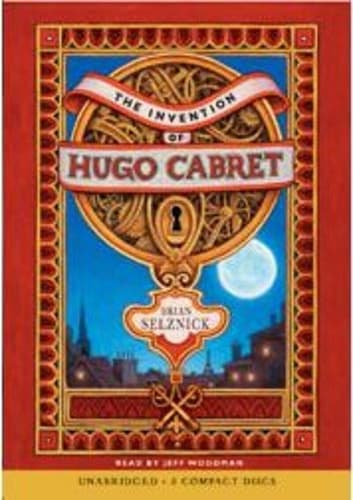
The Invention of Hugo Cabret
by Brian Selznick
This one's a departure—it's a literary mystery wrapped in gorgeous pencil drawings and early cinema history—but Selznick shares Barrett's belief that a book can be a complete sensory experience. Where Barrett makes you taste her world, Selznick makes you *see* it through hundreds of integrated illustrations. Both create immersive alternate realities that feel tactile and real despite their fantastical elements.
View book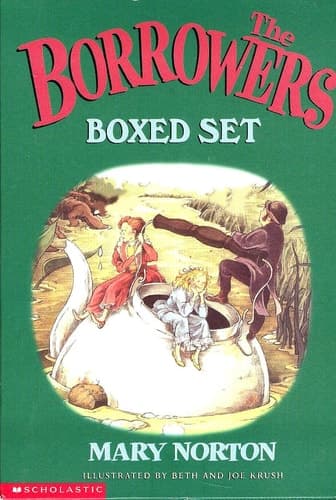
The Borrowers Boxed Set (The Borrowers, The Borrowers Afield, The Borrowers Afloat, The Borrowers Aloft with the short tale Poor Stainless, and The Borrowers Avenged) by Mary Norton (2001-09-01)
by Mary Norton
Norton's tiny people living behind walls in a normal house operate by completely different rules than humans—much like how Chewandswallow's food-weather creates an entirely alternate logic. Both books are rooted in specific, inventive details (what do you eat when it rains soup? what do you build with when you're three inches tall?), and both treat their strange premises with genuine worldbuilding rigor rather than whimsy for its own sake.
View book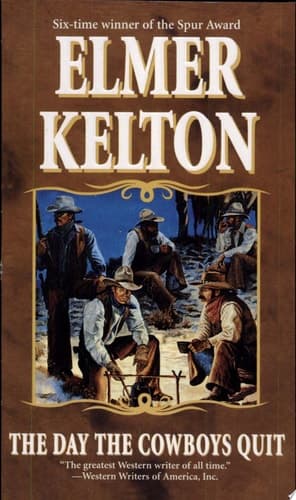
The Day the Cowboys Quit
by Elmer Kelton
Daywalt takes an ordinary object—a box of crayons—and gives each one a voice and grievance, creating a narrative that's simultaneously silly and surprisingly thoughtful. Like Barrett, he finds the humor in taking something mundane completely seriously; his crayons complain about their working conditions with the same earnest logic that Chewandswallow's residents deal with their food-based weather. It's a more recent book (2013) that proves this particular brand of object-based absurdism still resonates.
View bookAbout Judi Barrett
Biography coming soon.
View author page