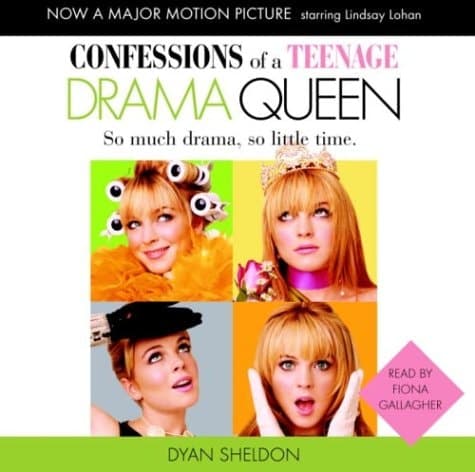
Confessions of a Teenage Drama Queen
Dyan SheldonPublished2004
Formataudiobook
PublisherImagination Studio
Synopsis
Mary Elizabeth Cep (or Lola, as she prefers to be called) longs to be in the spotlight. But when she moves to New Jersey with her family and becomes a student at Dellwood "Deadwood" High, Lola finds the role of resident drama queen already filled, by the Born-to-Win, Born-to-Run-Everything Carla Santini. Carla has always gotten everything she wants — until Lola comes along and snags the lead in the school play. Can Lola survive Carla's attempts at retaliation? Once the curtain goes up on the school play, which drama queen will take center stage?
Recommendations
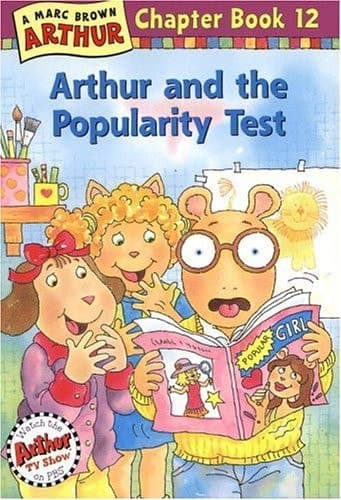
Arthur and the Popularity Test An Arthur Chapter Book
by Marc Brown
Like Lola, your protagonist here is navigating the brutal social hierarchy of high school, but Doll takes it further by having her character actually *study* popularity as a science experiment. You get that same sharp-eyed observation of teenage social dynamics that made you love watching Lola scheme, except here the scheming is intentional and hilarious—the humor comes from the gap between what the character thinks will work and what actually does.
View book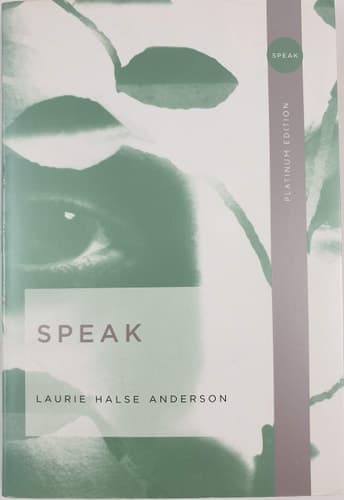
Speak
by Laurie Halse Anderson
This one's a bit of a tonal shift—it's got real emotional weight beneath the surface—but Anderson captures that same authentic teenage voice and the way social status can become weaponized in hallways. Where Sheldon's book is pure comedic theater, *Speak* shows you what happens when the performance becomes a survival mechanism. Both protagonists are fighting for their place, just in very different registers.
View book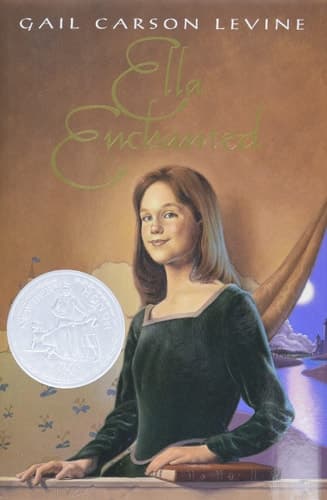
Ella Enchanted: A Newbery Honor Award Winner
by Gail Carson Levine
Published in 1997, this one predates your book by several years, but it shares that same theatrical energy—Ella is constantly performing and maneuvering her way through a magical world's social expectations, much like Lola navigates Deadwood High. The difference is the fantasy setting gives Levine room to make the stakes both lighter and stranger, with a heroine who's equally determined to write her own story rather than accept the role assigned to her.
View book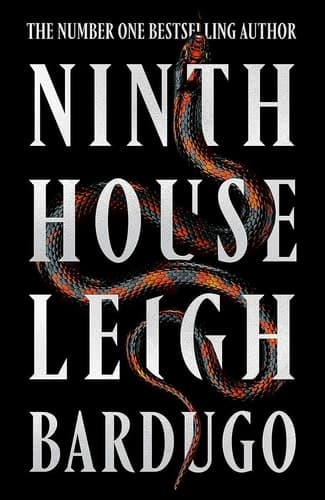
Ninth House
by Leigh Bardugo
This is your surprise pick—it's adult fantasy, not YA comedy—but hear me out: Bardugo writes about power structures and who gets to belong with the same sharp eye Sheldon uses for high school hierarchies. The protagonist is an outsider clawing her way into an elite world, and Bardugo makes you *feel* the social maneuvering beneath the magic. If you loved watching Lola strategize her way to the lead role, you'll appreciate how Bardugo treats institutional power like a performance that can be learned and exploited.
View book
Sloppy Firsts A Novel
by Megan McCafferty
McCafferty writes in diary form, which gives you that same intimate access to a teenage girl's scheming brain that makes *Confessions* so fun. Her protagonist is equally theatrical and self-aware, constantly narrating her own social disasters with dark humor. The diary format actually lets you see Lola-style dramatic exaggeration in real time—you're watching her spin her own narrative, which is exactly what made Sheldon's book so entertaining.
View bookAbout Dyan Sheldon
Biography coming soon.
View author page