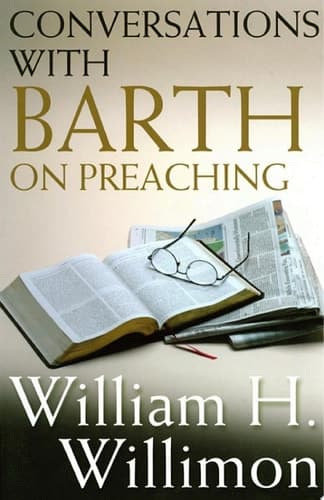
Conversations with Barth on Preaching
William H. WillimonPublished2006
Pages324
Formatpaperback
PublisherAbingdon Press
Synopsis
One of today's greatest preacher-theologians engages one of the twentieth century's greatest teacher-theologians on the meaning of preaching.
Readers of William H. Willimon's many books have long found there the influence of Karl Barth, probably the most significant theologian of the twentieth century. In this new book Willimon explores that relationship explicitly by engaging Barth's work on the pitfalls and problems, glories and grandeur of preaching the Word of God. The Swiss theologian, says the author, expressed one of the highest theologies of preaching of any of the great theologians of the church. Yet too much of Barth's understanding of preaching lies buried in the Church Dogmatics and other, sometimes obscure, sources. Willimon brings this material to light, introducing the reader to Barth's thought, not just on the meaning, but the practice of preaching as well.
Recommendations
101 Career Alternatives for Teachers Exciting Job Opportunities for Teachers Outside the Teaching Profession
by Margaret Gisler
Where Willimon draws out Barth's theology of preaching from dense dogmatic sources, Tan does the reverse—he takes biblical text and systematically builds practical sermon architecture from it. You'll find the same reverence for the Word, but approached through the preacher's actual workshop rather than the theologian's study.
View book
The Witness of Preaching
by Thomas G. Long
Campbell engages with Barth's legacy too, but he's asking a different question: how does a preacher actually embody the Word rather than just proclaim it? It's like watching someone take Barth's high theology and ask 'yes, but what does this look like on Sunday morning when you're standing in front of real people?'
View book
Humility The Journey Toward Holiness
by Andrew Murray
This is your surprise pick—a devotional meditation from 1895 that predates Barth entirely, yet captures something essential about what Willimon finds in Barth: the radical reorientation required when you realize preaching isn't about your eloquence but about getting yourself out of God's way. It's theology through spiritual practice rather than systematic argument.
View book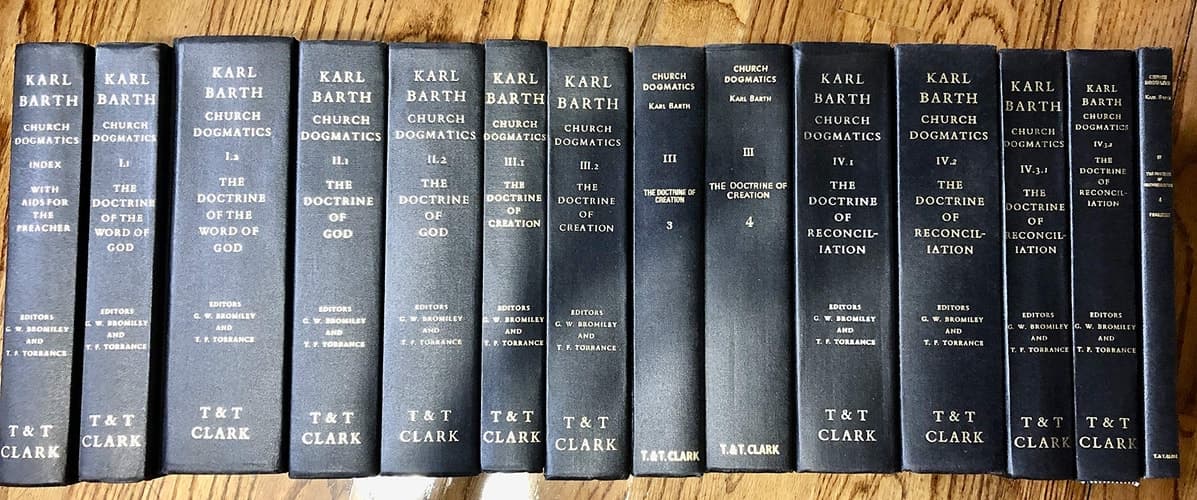
Church Dogmatics Volume 1 - The Doctrine of the Word of God (Prolegomena to Church Dogmatics) Part 1 - Introduction.
by Karl Barth
Berkouwer was working in Barth's orbit but with a different accent—he's equally serious about Scripture's authority but more attentive to how human reception and interpretation actually function. If Willimon's book made you curious about other twentieth-century theologians wrestling with similar questions, this is the natural next conversation.
View book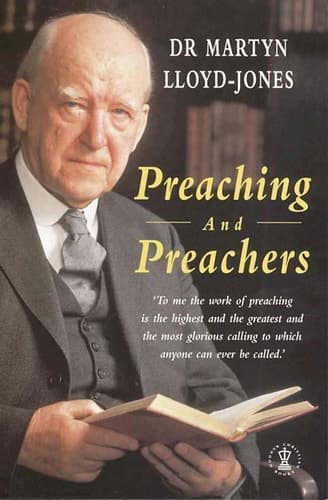
Preaching and Preachers
by David Martyn Lloyd-Jones
Lloyd-Jones was preaching in the same era as Barth but from a different tradition entirely—evangelical rather than Reformed, experiential rather than systematic. Yet he shares Barth's conviction that preaching is the central act of the church. Reading this after Willimon gives you a productive argument between two giants about what faithful proclamation actually requires.
View bookAbout William H. Willimon
Biography coming soon.
View author page