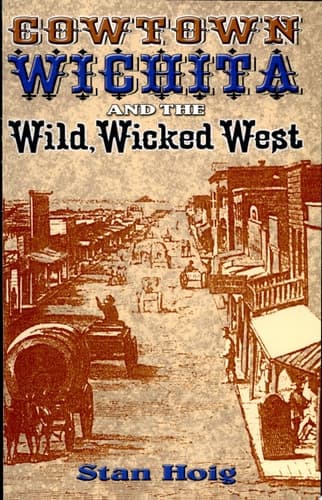
Cowtown Wichita and the Wild, Wicked West
Stan HoigPublished2007
Pages210
Formatpaperback
PublisherUNM Press
Synopsis
Before she was Wichita, Kansas, she was a collection of grass huts, home to the ancestors of the Wichita Indians. Then came the Spanish conquistadors, seeking gold but finding instead vast herds of buffalo.
After the Civil War, Wichita played host to a cavalcade of Western men: frontier soldiers, Indian warriors, buffalo hunters, border ruffians, hell-for-leather Texas cattle drovers, ready-to-die gunslingers, and steel-eyed lawmen. Peerless Princess of the Plains, they called her.
Billy the Kid, Wyatt Earp, and Bat Masterson were here, but so were Jesse Chisholm, Jack Ledford, Rowdy Joe and Rowdy Kate, Buffalo Bill Mathewson, Marshall Mike Meagher, Indian trader James Mead, Oklahoma Harry Hill, city founder Dutch Bill Greiffenstein, and a host of colorful characters like you've never known before.
Stan Hoig depicts a once-rambunctious cowtown on the Chisholm Cattle Trail, neighbor to the lawless Indian Territory, roaring and bucking through its Wild West days toward becoming a major American city.
Cowtown Wichita and the Wild, Wicked West provides tribute to those sometimes valiant, sometimes wicked, sometimes hilarious, and often audacious characters who played a role in shaping Wichita's past.
Recommendations
The Way West: Journal of a Pioneer Woman,
by Amelia Stewart Knight
Guthrie captures that same frontier energy as Hoig, but through the eyes of ordinary people on the Oregon Trail rather than famous gunfighters—you get the dust, the danger, and the moral compromises of westward expansion without the mythology. His characters are flawed and real in ways that complement Hoig's colorful rogues' gallery, showing you the human cost behind the legend.
View book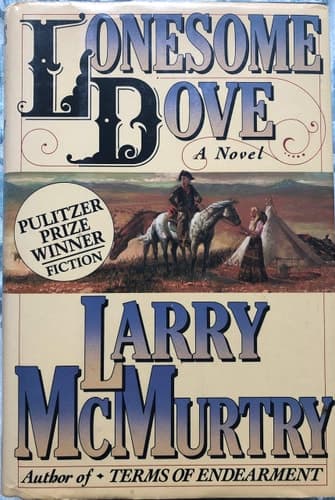
Lonesome Dove A Novel
by Larry McMurtry
McMurtry does for the cattle drive era what Hoig does for Wichita—he gives you the sprawling cast, the mix of heroism and pettiness, the way history is made by ordinary people doing extraordinary things. But where Hoig's book is a spirited historical survey, McMurtry's novel lets you live inside these characters' heads across a thousand-mile journey, making you feel the weight of their choices.
View book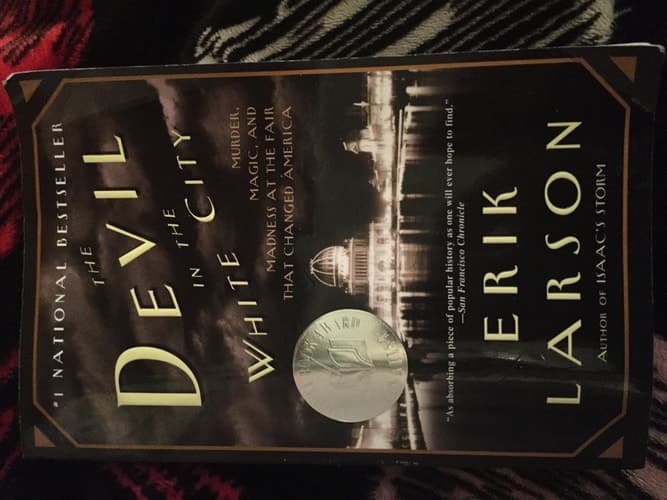
The Devil in the White City Murder, Magic and Madness at the Fair that Changed America
by Erik Larson
Here's your surprise pick: Larson interweaves the 1893 Chicago World's Fair with a serial killer's story, and he does it with the same narrative energy Hoig brings to Wichita's wild days—but he's writing narrative nonfiction that reads like a thriller. You'll recognize that same fascination with how cities transform and the colorful (sometimes sinister) characters who drive that change, just applied to a different American moment.
View book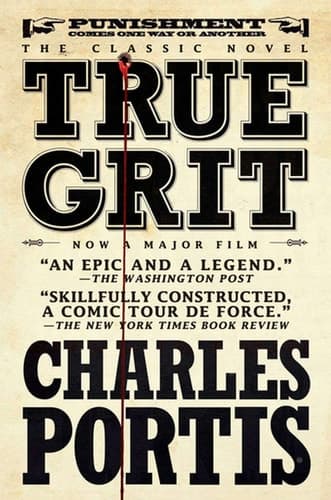
True Grit
by Charles Portis
Portis gives you the frontier lawman story—Rooster Cogburn hunting outlaws across Indian Territory—but told by a fourteen-year-old girl with a sharper eye for character than most adults. The dialogue crackles with period authenticity that rivals Hoig's research, and you get that same mix of genuine toughness and unexpected humanity among people shaped by harsh country.
View book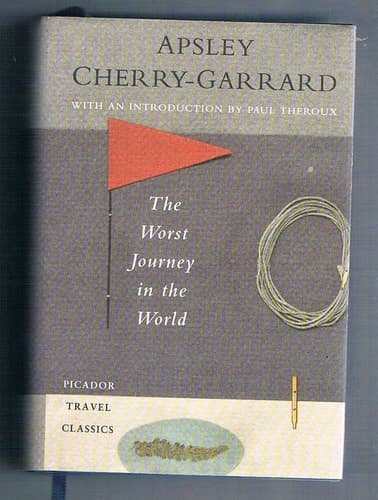
The Worst Journey in the World
by Apsley Cherry-Garrard
A completely different adventure, but Cherry-Garrard's Antarctic expedition memoir has that same quality Hoig captures—ordinary people pushed to extraordinary limits, colorful personalities under extreme stress, and a historian's eye for how individuals shape events larger than themselves. It's a reminder that the 'Wild West' wasn't the only frontier where humans tested themselves against impossible odds.
View bookAbout Stan Hoig
Biography coming soon.
View author page