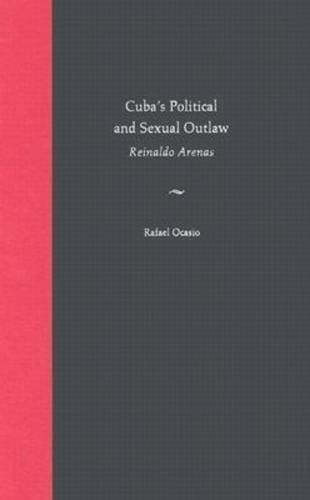
Cuba's Political and Sexual Outlaw Reinaldo Arenas
Rafael OcasioPublished2003
Pages212
Formathardcover
PublisherUniversity Press of Florida
Synopsis
A detailed biographical account of Reinaldo Arenas's open opposition to Cuba's revolutionary institutions. It reveals the price that the Cuban dissident - one of the first out-of-the-closet gay writers from Latin America - paid in his quest for political, sexual and literary freedom.
Recommendations
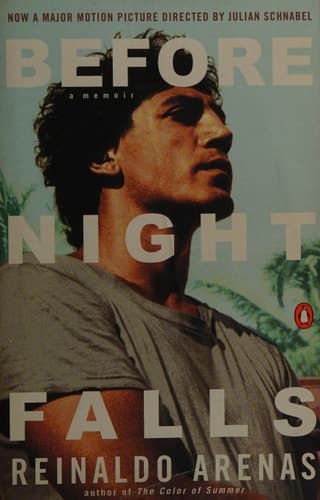
Before Night Falls
by Reinaldo Arenas
I know this might seem like the obvious next step, but Arenas's own memoir is essential after reading Ocasio's biography—you'll recognize the events Ocasio describes, but now you'll hear Arenas's voice directly, raw and unfiltered, which is a completely different experience. His prose style is as rebellious as his politics, and the intimacy of his own account will deepen everything you've just learned about his resistance.
View book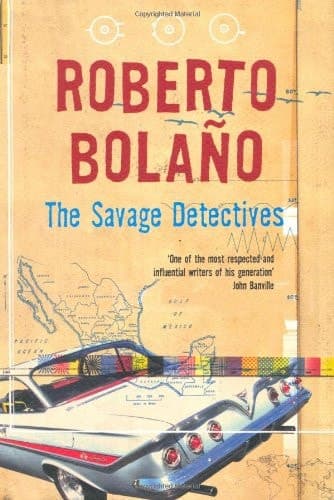
The Savage Detectives A Novel
by Roberto Bolaño
Bolaño's sprawling novel captures that same tension between artistic ambition and political upheaval that defined Arenas's life, but through a fractured, almost investigative structure that mirrors how we piece together a dissident's story. The book treats its bohemian outsiders with the same unflinching dignity Ocasio gives Arenas, and there's a similar sense of how literature becomes an act of survival and defiance.
View book
Giovanni's Room
by James Baldwin
Baldwin's novella explores what it means to be a gay man navigating a world that demands you hide, and though it's set in Paris rather than Cuba, the psychological and emotional terrain is remarkably similar to Arenas's struggle. Baldwin's prose has that same lyrical intensity and moral urgency—he's asking the same questions about desire, freedom, and the cost of authenticity that haunted Arenas throughout his life.
View book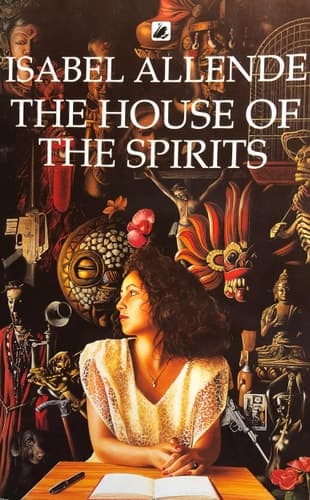
The House of the Spirits
by Isabel Allende
This is my surprise pick for you—it's a multigenerational family saga set against Latin American political upheaval, but what connects it to your recent read is how Allende weaves personal intimacy with historical violence. Like Ocasio's biography, it shows how political systems invade and destroy individual lives, and how memory and storytelling become acts of resistance against erasure.
View book
Safe at Last in the Middle Years The Invention of the Midlife Progress Novel : Saul Bellow, Margart Drabble, Anne Tyler, and John Updike
by Margaret Morganroth Gullette
Ernaux's experimental autobiography (published 2008, so from a different era than your source) uses a fragmented, almost documentary approach to show how personal identity is shaped by historical forces—much like how Ocasio contextualizes Arenas's individual story within Cuba's revolutionary machinery. Her refusal of traditional narrative mirrors the way both Arenas and Ocasio resist simple, linear storytelling about a life lived against the grain.
View bookAbout Rafael Ocasio
Biography coming soon.
View author page