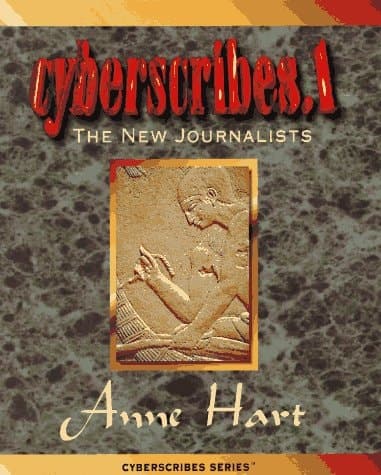
Cyberscribes.1: The New Journalists
Anne HartPublished1997
Pages311
Formatpaperback
PublisherEllipsys Intl Pubns
Synopsis
Figures And Illustrations -- Fishbone -- Foreword -- Introduction -- About Anne Hart -- 1. A Digital Renaissance Where Art Meets Technology -- 2. Casting Your Net Beyond The News -- 3. Adapting To The New Media -- 4. Understanding Your Writing Style -- 5. Writing The Story Of Your Life -- 6. A Palette Of Authoring Tools -- 7. Exploring The Newest Realities -- 8. Internet Direct Response, Cybermalls, And Virtual Trade Shows -- 9. Understanding Your Electronic Rights -- 10. Your Future As A Cyberscribe -- App. A. New Journalist's Career Classifier -- App. B. Recommended Reading -- App. C. Professional Organizations -- App. D. Product Locator -- Index. Anne Hart.
Recommendations
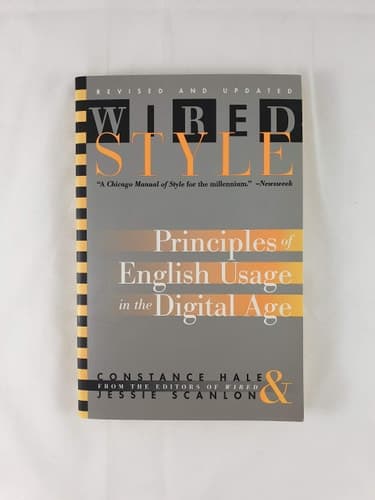
Wired Style Principles of English Usage in the Digital Age
by Constance Hale
Hart's practical focus on adapting writing for digital platforms finds its perfect companion here—Hale takes the same mission but goes deeper into the mechanics of how language itself changes when it's read on screens rather than paper. Where Hart surveys the landscape of new media tools, Hale actually teaches you to write *for* that landscape with precision and style.
View book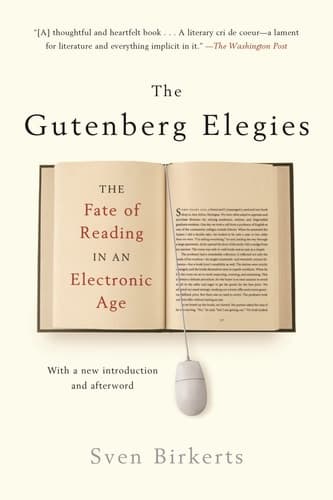
The Gutenberg Elegies The Fate of Reading in an Electronic Age
by Sven Birkerts
Published in 1994, this book sits right at the same cultural moment as Hart's work but takes the opposite stance—Birkerts is skeptical about what we're gaining and losing as writing moves online. Reading them together creates a productive argument: Hart is the optimist charting new territory, while Birkerts is the thoughtful skeptic asking what we're leaving behind. It's the kind of intellectual tension that deepens your thinking about both positions.
View book
Just My Luck A Novel
by Tajuana Butler
This might seem like a tangent, but Hart spends considerable time on authoring tools and the visual presentation of digital writing—Garfield's obsessive, entertaining history of typefaces shows you that every font choice is a rhetorical decision. It's the aesthetic foundation for understanding why the *look* of your cyberscribe work matters as much as the words themselves.
View book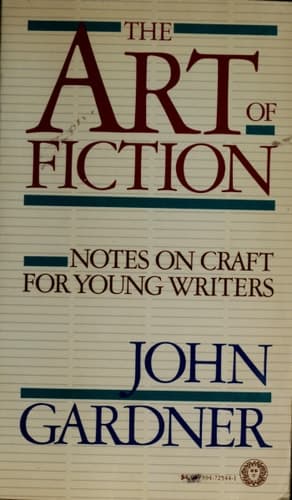
The Art of Fiction Notes on Craft for Young Writers
by John Gardner
Hart's chapter on understanding your writing style would pair beautifully with Gardner's masterclass on the fundamentals of narrative technique—Gardner teaches you to *feel* when something works on the page, which is exactly what you need once you've learned Hart's technical toolkit. He's less interested in the medium and more interested in the writer's voice, which is the human element Hart's practical guide assumes you already have.
View book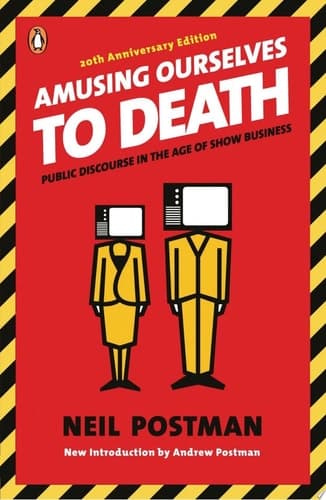
Amusing Ourselves to Death Public Discourse in the Age of Show Business
by Neil Postman
Postman's 1985 critique of how television has reshaped communication becomes eerily relevant when you're reading Hart's 1997 guide to becoming a digital journalist—he's asking the hard question Hart doesn't: what happens to serious discourse when the medium itself privileges entertainment over substance? It's a philosophical counterweight that makes you think critically about *why* you're adopting these new tools, not just *how*.
View bookAbout Anne Hart
A
Anne Hart
Born 1941
Biography coming soon.
View author page