Synopsis
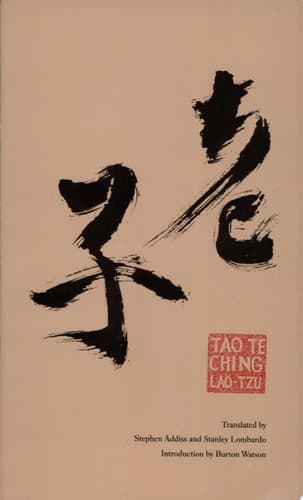
Deftly introduced and enriched by the remarkable ink paintings of Stephen Addiss, this new translation of Tao Te Ching captures the terse and enigmatic beauty of the ancient original while resisting the tendency toward interpretive paraphrase found in many other editions. Along with the translation of the complete work, Lombardo and Addiss provide the reader with a measure of interaction with the Chinese text found in no other edition, by furnishing one or more key lines from the original Chinese for each of the eighty-one sections, together with a transliteration of the Chinese characters. The appearance and sounds of the Chinese character displayed, enhance the reader's appreciation of how the Chinese text works and feels and the many different ways it can be translated into English.
Recommendations
Generating recommendations…
Our AI is preparing recommendations for Dao de Jing. This usually takes under a minute.
About Lao Tzu
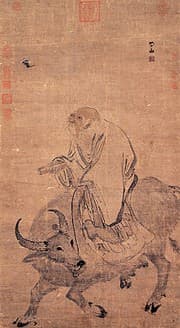
Laozi (Chinese: 老子; pinyin: Lǎozǐ; Wade–Giles: Laosi; also Lao Tse, Lao Tu, Lao-Tzu, Lao-Tsu, Laotze, Lao Zi, Laocius, and other variations) was a mystic philosopher of ancient China, and is a central figure in Taoism (also spelled "Daoism"). Laozi literally means "old master", and is generally considered honorific. Laozi is revered as a deity in most religious forms of Taoism. Taishang Laojun is title for Laozi in the Taoist religion, which refers to him as "One of the Three Pure Ones". According to Chinese tradition, Laozi lived in the 6th century BC. Historians variously contend that Laozi is a synthesis of multiple historical figures, that he is a mythical figure, or that he actually lived in the 4th century BC, concurrent with the Hundred Schools of Thought and Warring States Period. A central figure in Chinese culture, both nobility and common people claim Laozi in their lineage. Throughout history, Laozi's work has been embraced by various anti-authoritarian movements. **Source**: [Laozi](https://en.wikipedia.org/wiki/Laozi) on Wikipedia.
View author page