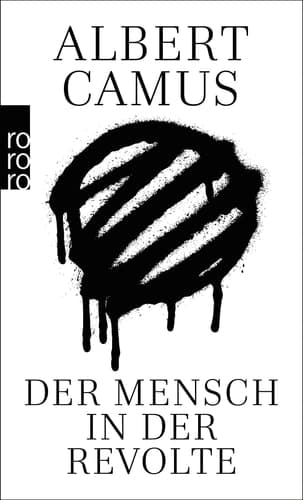
Der Mensch in der Revolte Essays
Albert CamusPublished1997
Pages344
Formatpaperback
PublisherRowohlt Taschenbuch Verlag
Synopsis
Unsere Verbrecher sind nicht mehr jene entwaffneten Kinder, die zur Entschuldigung die Liebe anriefen. Sie sind im Gegenteil erwachsen und haben ein unwiderlegbares Alibi, die Philosophie nämlich, die zu allem dienen kann, sogar dazu, die Mörder in Richter zu verwandeln. Mit der hier vorliegenden Essaysammlung setzt der Autor die Tradition der französichen Moralisten fort. Das strenge und anspruchsvolle Werk ist eine Absage an die Auffassung, daß Geschichte ein sinnvoller Ablauf sei. Er versucht nachzuweisen, daß die politischen Ideen von der Mitte des 18. Jahrhunderts bis heute Konstruktionen und Utopien waren, da sie das Absolute wollen, und deshalb notwendig ins Absurde, in Terror und legitimierten Mord einmünden mußten.
Recommendations
Generating recommendations…
Our AI is preparing recommendations for Der Mensch in der Revolte Essays. This usually takes under a minute.
About Albert Camus
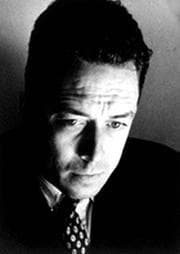
Albert Camus
1913–1960
Albert Camus was a French Algerian author, philosopher, and journalist who was awarded the Nobel Prize for Literature in 1957. He was a key philosopher of the 20th-century and his most famous work is the novel *L'Étranger* (*The Stranger*). In 1949, Camus founded the Group for International Liaisons within the Revolutionary Union Movement, which was a group opposed to some tendencies of the surrealistic movement of André Breton. Camus was the second-youngest recipient of the Nobel Prize for Literature - after Rudyard Kipling - when he became the first African-born writer to receive the award. He is the shortest-lived of any literature laureate to date, having died in an automobile accident just over two years after receiving the award. He is often cited as a proponent of existentialism, the philosophy that he was associated with during his own lifetime, but Camus himself rejected this particular label. In an interview in 1945, Camus rejected any ideological associations: "No, I am not an existentialist. Sartre and I are always surprised to see our names linked…"
View author page