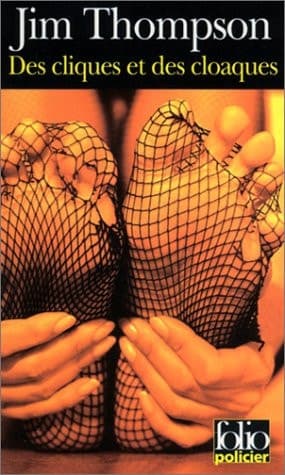
Synopsis
Frank Dillon est un peu fou, et ça le tracasse. Pourtant, il tue, et plusieurs fois. Mais au bout du compte, s'estime innocent : est-ce le dernier des salauds, ou le premier des pauvres types ?
Recommendations

The Killer Inside Me
by Jim Thompson
Wait—I know Thompson is your author, but this is the essential Thompson novel if you haven't read it yet. Where *Des cliques et des cloaques* gives you Frank Dillon's fractured self-justification, *The Killer Inside Me* lets you inhabit Lou Ford's mind as he methodically constructs his own narrative of innocence while committing atrocities. It's the same moral vertigo, but even more claustrophobic.
View book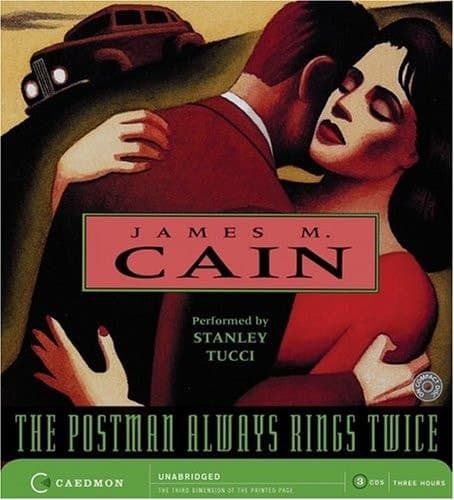
The Postman Always Rings Twice
by James M. Cain
Cain has that same brutal economy of language Thompson uses, but where Thompson burrows into pathology, Cain watches ordinary people make catastrophic choices with almost detached clarity. Frank Chambers isn't mad like Dillon—he's just weak and wants things—but the question of culpability versus circumstance haunts both novels in identical ways.
View book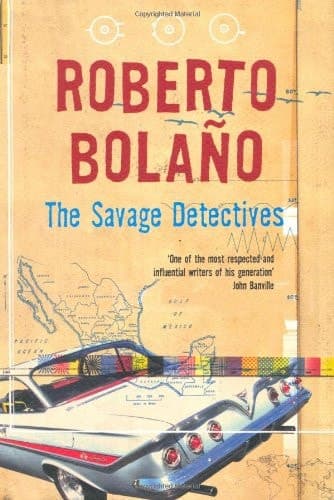
The Savage Detectives A Novel
by Roberto Bolaño
This is the curveball, but hear me out: Bolaño's novel is obsessed with the same question that torments Dillon—what makes someone salvageable or damned?—except he asks it across 600 pages of fragmented narratives, poetry, and digression. The 'savage detectives' are searching for meaning in chaos, much like you're searching for meaning in Dillon's madness. It's messier, more literary, but the psychological vertigo is there.
View book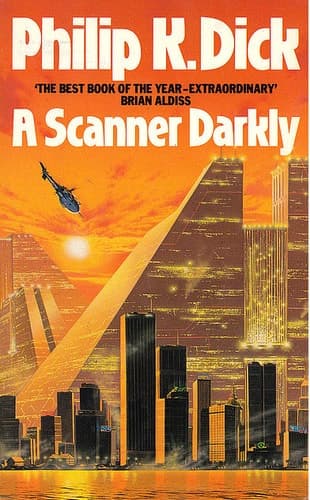
A Scanner Darkly
by Philip K. Dick
Dick's 1977 novel tracks a narcotics agent whose identity fractures under surveillance and drug use—he becomes uncertain which version of himself is real, much like Dillon can't locate his own culpability. But where Thompson's prose is lean and vicious, Dick spirals into paranoia and philosophical breakdown. Both authors ask: if your mind is unreliable, are you responsible for what you do?
View book
Albert Camus' The Stranger
by Kevin Kelly
Meursault commits murder and then seems indifferent to his own trial—society can't understand how he fails to perform appropriate guilt. Dillon, by contrast, performs elaborate justifications for his violence while remaining fundamentally unknowable. Camus wrote this in 1942, decades before Thompson, but they're asking the same question about the gap between what society expects us to feel and what we actually are.
View bookAbout Jim Thompson
J
Jim Thompson
Born 1949
Biography coming soon.
View author page