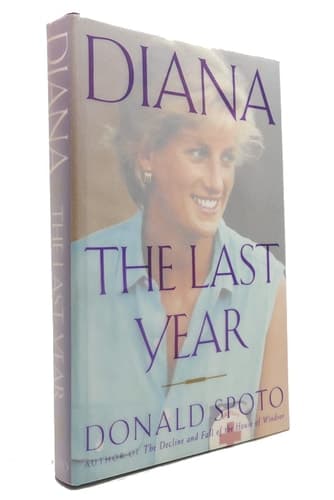
Synopsis
For Diana, her final year was in many ways the most fascinating and insightful of her life. It was a turbulent, often amazing period in which she formally severed her marriage ties to the heir to the British throne, fell passionately in love with Dodi al-Fayed, and truly began to come into her own after years of personal adversity.
In the first hours and days after the news of Diana's death in Paris shocked the world, major media outlets from CNN to NBC turned to Donald Spoto for help in articulating the meaning of the tragedy and understanding its effect on the British monarchy, the worldwide public who admired and loved her, and, most important, her own family.
In Diana: The Last Year, Spoto tells for the first time the complete story of a woman in conflict. Diana was driven by a philanthropic desire to relieve suffering and change the world for the better. But she was also determined to make up for a youth that was taken from her, at the age of nineteen, when she entered the restrictive and, from her perspective, decidedly chilly House of Windsor. Like a butterfly emerging from a chrysalis, Diana in her last year was re-creating her public and private self.
Recommendations
The Chronicle of San Juan de la Peña A Fourteenth-century Official History of the Crown of Aragon
by Pedro IV (King of Aragon)
Since you've just absorbed Spoto's intimate portrait of Diana's final transformation, Lacey's meticulously researched biography of Elizabeth II offers the counterpoint you'll crave—the monarch's perspective on the same turbulent period. Where Spoto captures Diana's emergence from constraint, Lacey shows the institutional weight pressing down from the other side, making their parallel narratives richly complementary.
View book
The Gallows Girl
by Melanie Gifford
Lovell traces how six sisters navigated privilege, scandal, and self-invention across the 20th century—much like Diana's own journey from aristocratic youth to global icon. The book examines how women born into constraint either rebelled against or reinforced their gilded cages, giving you a broader historical context for understanding Diana's particular struggle.
View book
The Year of Magical Thinking A Play by Joan Didion Based on Her Memoir
by Joan Didion
Here's your surprise recommendation: Didion's searing meditation on grief and loss in the immediate aftermath of her husband's death shares Spoto's interest in how a life-altering moment reshapes everything that came before it. But where Spoto examines Diana's year of becoming, Didion examines the year of unbecoming—the two create an unexpectedly powerful dialogue about transformation and mortality.
View book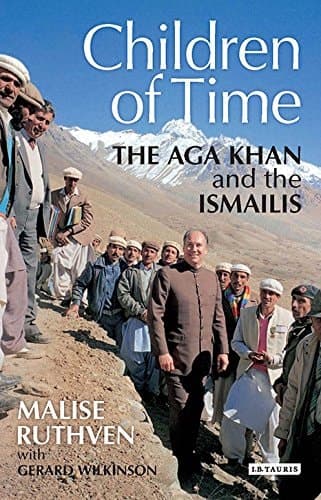
Children of Time The Aga Khan and the Ismailis
by Malise Ruthven
Published in the 1980s, this biography offers historical depth on the world Diana was entering through her relationship with Dodi al-Fayed—the intersection of Islamic leadership, wealth, and global influence. It contextualizes the cultural and religious dimensions that Spoto touches on but doesn't fully explore, enriching your understanding of Diana's final year.
View book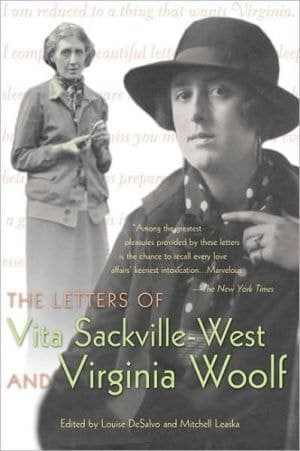
The Letters of Vita Sackville-West and Virginia Woolf
by Louise A. DeSalvo
DeSalvo's collection reveals how Sackville-West—another woman born into aristocratic constraint—used her private correspondence to construct an authentic self separate from public expectation. Like Diana, she was reinventing herself throughout her life; reading her actual words offers an intimate counterpoint to Spoto's narrative analysis of Diana's own self-creation.
View bookAbout Donald Spoto
D
Donald Spoto
Born 1941
Donald Spoto (born June 28, 1941) is an American biographer and theologian.
View author page