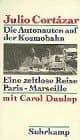
Die Autonauten auf der Kosmobahn. Eine zeitlose Reise Paris - Marseille.
Julio CortázarPublished1996
Pages360
Formatpaperback
PublisherSuhrkamp
Synopsis
We don't have a synopsis for this title yet.
Recommendations
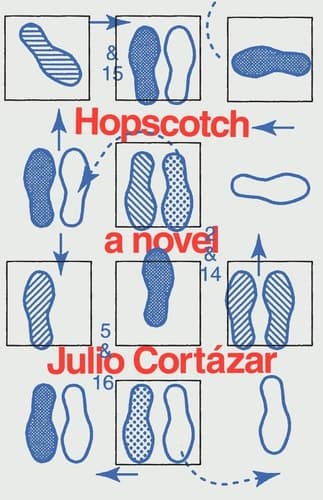
Hopscotch A Novel
by Julio Cortázar
Wait—I know what you're thinking. But hear me out: if you haven't read Cortázar's masterpiece yet, this is the natural next step after *Autonauten*. Where that book captures the playful, almost dadaist joy of a road trip, *Hopscotch* gives you the full architecture of his mind—you can read it straight through or jump around chapters like the title suggests, and it rewards both approaches the way *Autonauten* rewards your willingness to abandon conventional narrative logic.
View book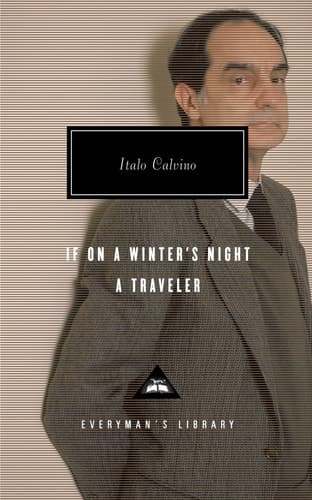
If on a Winter's Night a Traveler Introduction by Peter Washington
by Italo Calvino
Calvino does for the act of reading itself what Cortázar does for travel—he makes the journey the point, not the destination. You'll find the same delight in formal playfulness here: a book that addresses you directly as 'the Reader,' constantly shifts genres and perspectives, and treats narrative structure like a game to be enjoyed rather than a puzzle to be solved. It's got that same sense of intellectual mischief.
View book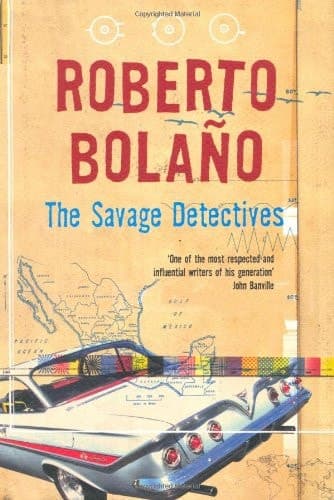
The Savage Detectives A Novel
by Roberto Bolaño
This is a road novel for the literary age—two poets chasing a mysterious figure across Mexico and Europe, told through fragmented voices and digressions that feel genuinely alive. Like *Autonauten*, it's fascinated by the texture of movement and encounter, but Bolaño adds a melancholy undercurrent and a sprawling cast of characters whose stories intersect in unexpected ways. It's longer and denser, but rewards the same kind of attentive, playful reading.
View book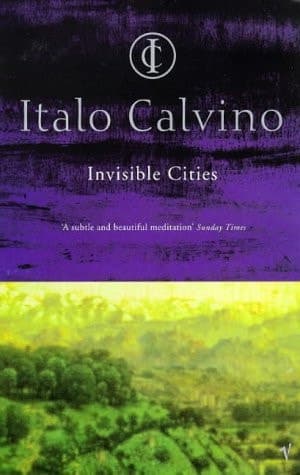
Invisible Cities
by Italo Calvino
Here's your surprise pick: a book that reads almost like poetry, structured as Marco Polo describing impossible cities to Kublai Khan. It captures that same sense of travel and discovery as *Autonauten*, but distilled into something more dreamlike and architectural. Each city is a meditation on memory, desire, or language—it's what happens when you strip away plot entirely and just keep the essence of what makes travel transformative.
View book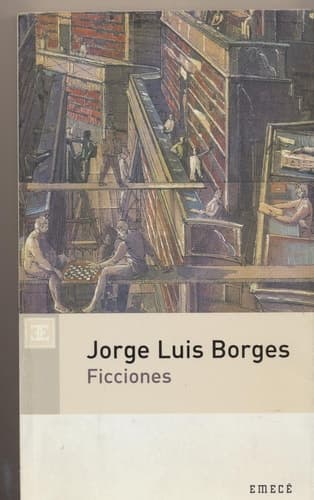
Ficciones
by Jorge Luis Borges
A collection of short stories, yes, but each one operates like a miniature *Autonauten*—Borges takes you on intellectual journeys through impossible libraries, forking paths, and alternate histories. Published in 1944, this gives you that different-decade element, and it shares Cortázar's love of formal experimentation and philosophical playfulness, but in concentrated doses. Perfect if you want that same mind-bending quality without committing to another 400-page novel.
View bookAbout Julio Cortázar
J
Julio Cortázar
1914–1984
Julio Florencio Cortázar (Ixelles, 26 de agosto de 1914-París, 12 de febrero de 1984) fue un escritor, poeta y profesor argentino. También trabajó como traductor, oficio que desempeñó para la Unesco y varias editoriales. En 1981, sin renunciar a su nacionalidad argentina, optó por la francesa en protesta contra la dictadura militar en su país, que prohibió sus libros y que él denunció a la prensa internacional desde su residencia en París. Se lo considera uno de los autores más innovadores y originales de su tiempo, maestro del relato corto, la prosa poética y la narración breve en general, y creador de importantes novelas, en la cual destaca *Rayuela,* que inauguraron una nueva forma de hacer literatura en el mundo hispano. Junto a Gabriel García Márquez, Mario Vargas Llosa y Carlos Fuentes, fue uno de los exponentes centrales del *boom* latinoamericano. Fuente: [Wikipedia](https://es.wikipedia.org/wiki/Julio_Cort%C3%A1zar) ---------- Julio Cortázar, born Jules Florencio Cortázar, was an Argentine author of novels and short stories. He influenced an entire generation of Latin American writers from Mexico to Argentina, and most of his best-known work was written in France, where he established himself in 1951. Source and more information: http://en.wikipedia.org/wiki/Julio_Cort%C3%A1zar
View author page