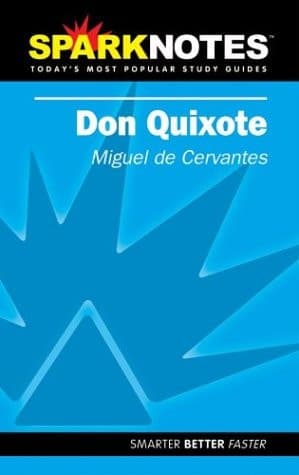
Don Quixote (SparkNotes Literature Guide) (SparkNotes Literature Guide Series)
Miguel de CervantesPublished2002
Pages72
Formatpaperback
PublisherSparkNotes
Synopsis
Get your "A" in gear!
They're today's most popular study guides-with everything you need to succeed in school. Written by Harvard students for students, since its inception SparkNotes™ has developed a loyal community of dedicated users and become a major education brand. Consumer demand has been so strong that the guides have expanded to over 150 titles. SparkNotes'™ motto is Smarter, Better, Faster because:
· They feature the most current ideas and themes, written by experts.
· They're easier to understand, because the same people who use them have also written them.
· The clear writing style and edited content enables students to read through the material quickly, saving valuable time.
And with everything covered--context; plot overview; character lists; themes, motifs, and symbols; summary and analysis, key facts; study questions and essay topics; and reviews and resources--you don't have to go anywhere else!
Recommendations
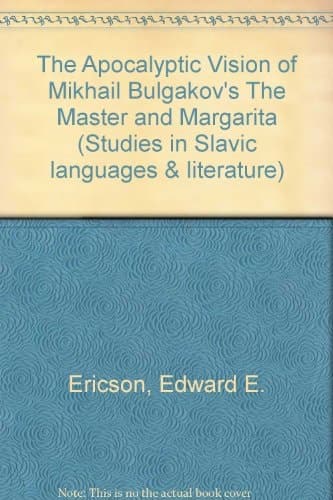
The Apocalyptic Vision of Mikhail Bulgakov's the Master and Margarita (Studies in Slavic Language & Literature)
by Edward E. Ericson
Like Cervantes, Bulgakov layers multiple narratives—a Soviet-era story and a fantastical retelling of Pontius Pilate—to explore how literature and truth collide with ideology and madness. Both novels use their protagonists' delusions as a lens to critique the societies around them, though Bulgakov's Moscow is far more sinister than La Mancha.
View book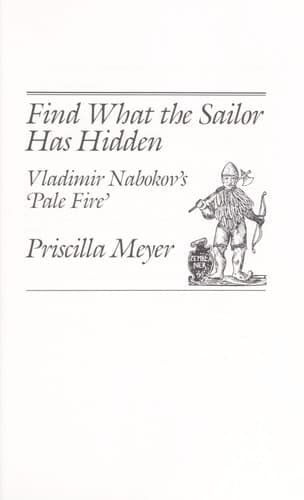
Find what the Sailor Has Hidden Vladimir Nabokov's Pale Fire
by Priscilla Meyer
This is a novel disguised as a poem with footnotes, where an obsessive narrator's commentary gradually reveals he's either a delusional exile or a genuine refugee—much like how we're never quite sure if Don Quixote's madness is pathetic or visionary. Nabokov plays with the same question Cervantes does: who gets to decide what's real?
View book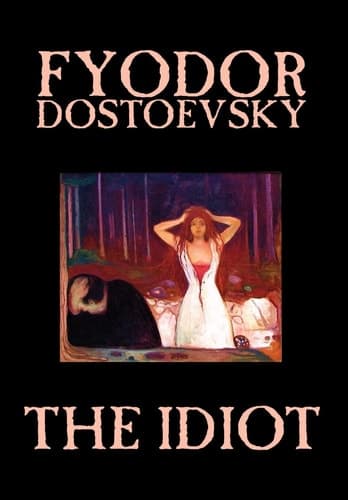
The Idiot
by Fyodor Mikhailovich Dostoevsky
Prince Myshkin is essentially a 19th-century Russian Don Quixote—a man of genuine goodness and idealism navigating a corrupt society that mistakes his virtue for foolishness. Where Cervantes uses comedy, Dostoevsky uses tragedy, but both explore what happens when an innocent confronts a world that rewards cynicism.
View book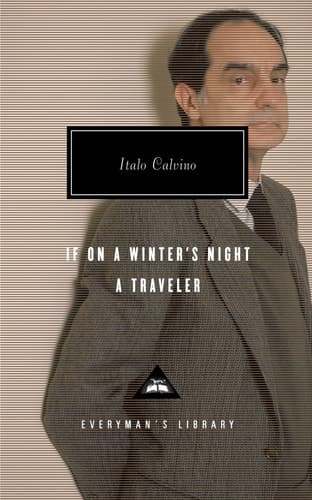
If on a Winter's Night a Traveler Introduction by Peter Washington
by Italo Calvino
Here's your surprise pick: a postmodern novel that directly addresses *you* as the reader, then fragments into ten different novel openings you'll never finish. It's what happens when someone takes Cervantes' playfulness with narrative structure and pushes it into the 1970s—less about a deluded knight, more about how we construct meaning from incomplete stories.
View book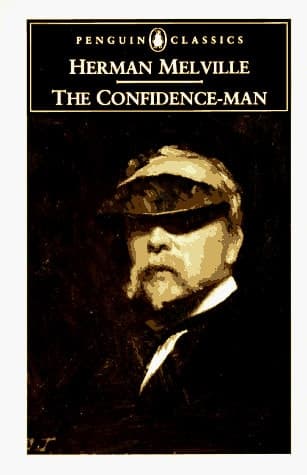
The Confidence-Man His Masquerade
by Herman Melville
Melville's 1857 novel follows a mysterious con artist aboard a Mississippi riverboat, encountering a parade of duped passengers—it's Don Quixote's episodic structure transplanted to American soil, but inverted: instead of one deluded idealist, we have dozens of people fooling themselves about human nature. The dialogue crackles with the same verbal sparring Cervantes loved.
View bookAbout Miguel de Cervantes
M
Miguel de Cervantes
1547–1616
Miguel de Cervantes Saavedra was a Spanish novelist, poet, and playwright. His magnum opus, Don Quixote, often considered the first modern novel, is a classic of Western literature and is regularly regarded among the best novels ever written. His work is considered among the most important in all of literature. His influence on the Spanish language has been so great that Spanish is often called *la lengua de Cervantes* (The language of Cervantes). He has been dubbed *el Príncipe de los Ingenios* - the Prince of Wits. ([Source][1].) [1]: http://en.wikipedia.org/wiki/Miguel_de_Cervantes
View author page