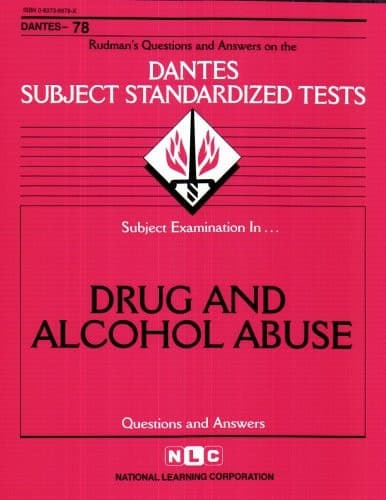
Drug and Alcohol Abuse
National Learning CorporationPublished2018
Pages160
FormatPlastic Comb
PublisherNational Learning Corporation
Synopsis
The DSST Drug and Alcohol/Substance Abuse Passbook(R) prepares candidates for the DSST exam, which enables schools to award credit for knowledge acquired outside the normal classroom environment. It provides a series of informational texts as well as hundreds of questions and answers in the areas that will likely be covered on your upcoming exam, including but not limited to: drug terminology and classifications; alcohol; stimulants; hallucinogens; drug prevention and treatment; and more.
Recommendations
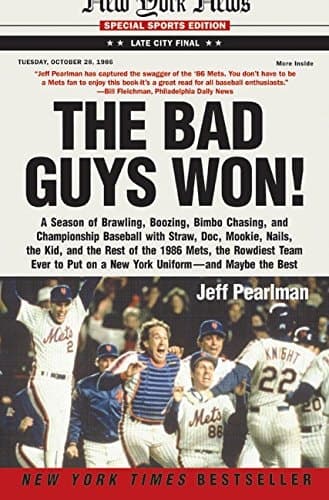
The Bad Guys Won A Season of Brawling, Boozing, Bimbo Chasing, and Championship Baseball with Straw, Doc, Mookie, Nails, the Kid, and the Rest of the 1986 Mets, the Rowdiest Team Ever to Put on a New York Uniform--and Maybe the Best
by Jeff Pearlman
Where your study guide provides the clinical framework, Hari gives you the human stories behind those statistics—he traces how drug policy actually developed through interviews with everyone from a 100-year-old addiction researcher to people in the trenches of the war on drugs. You'll find yourself constantly fact-checking against what you learned, but in the best way, because he's asking the deeper 'why' questions that a test prep book can't explore.
View book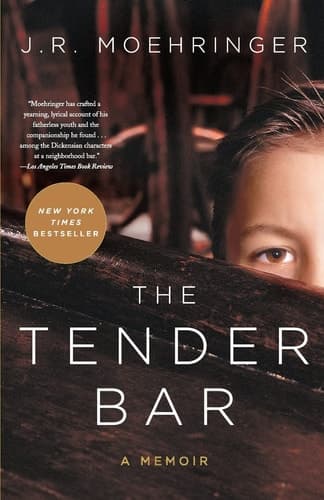
The Tender Bar
by J.R. Moehringer
This is your curve-ball pick—a lyrical memoir about growing up in a family drowning in alcoholism, where the local bar becomes both refuge and warning sign. Rather than clinical definitions, Moehringer shows you what alcohol dependency actually *feels* like from the inside, the way it rewires a family's entire emotional landscape. It's the lived counterpoint to the epidemiology you've been studying.
View book
The Dreamland Chronicles The Legends of Area 51 - America's Most Secret Military Base
by David Darlington
Quinones does what investigative journalism does best—he traces how the opioid crisis became a crisis by following the supply chain, the marketing, and the policy failures simultaneously. You'll recognize the drug classifications and pharmacology from your exam prep, but here you'll see how they intersect with economics, geography, and corporate decision-making in ways that make the abstract concrete.
View book
Prozac Diary
by Lauren Slater
Published in 1998, this essay collection predates your study guide by two decades and offers a fascinating historical perspective on how we've talked about psychiatric medication and brain chemistry. Slater writes with philosophical precision about her own experience with antidepressants, giving you insight into how stimulants and psychoactive substances affect consciousness in ways that pure pharmacology can't capture.
View book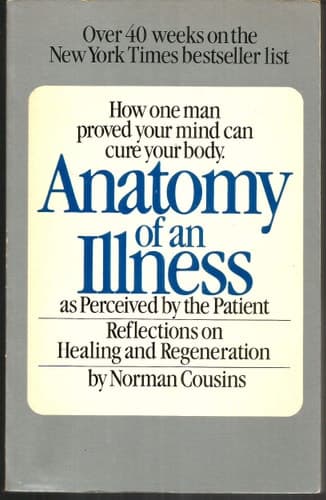
Anatomy of an Illness as Perceived by the Patient Reflections on Healing and Regeneration
by Norman Cousins
Whitaker challenges conventional wisdom about psychiatric medication by examining long-term outcome data that most people never see—he's asking uncomfortable questions about whether our drug treatments are actually helping or harming in ways your exam prep material might not address. It's densely researched and occasionally controversial, but it'll make you a more critical reader of the substance-abuse literature you've been absorbing.
View bookAbout National Learning Corporation
Biography coming soon.
View author page