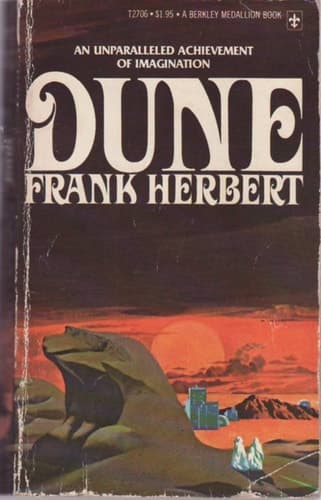
Synopsis
This epic tale is set on the desert planet Arrakis, the focus for a complex political and military struggle with galaxy-wide repercussions. When Duke Atreides and his family take up court there they fall into a trap set by his rival.
Recommendations
The Italian Left in the Twentieth Century: A History of the Socialist and Communist Parties
The Italian Left in the Twentieth Century: A History of the Socialist and Communist Parties
by Alexander De Grand
If you were captivated by the intricate world-building and political maneuverings of Dune, Le Guin's The Left Hand of Darkness offers a similarly immersive exploration of an alien culture. Her Gethenians, a humanoid race capable of shifting between male and female, will challenge your assumptions about gender in ways that mirror Dune's interrogation of power structures.
View book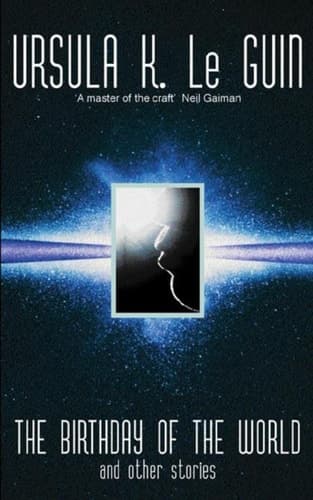
The Birthday of the World
by Ursula K. Le Guin
Another Le Guin novel that shares Dune's fascination with how social and political systems shape individual lives. The Dispossessed imagines an anarchist society in dialogue with its capitalist neighbor, exploring themes of freedom, community, and the role of the individual that will resonate with Dune fans.
View book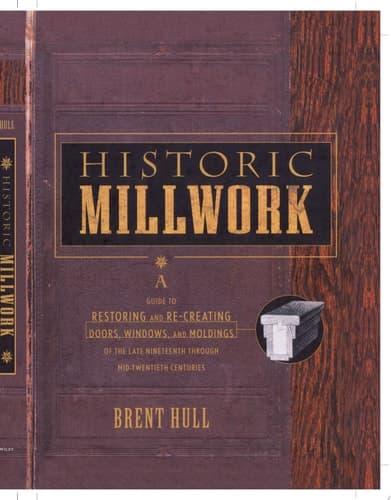
Historic Millwork A Guide to Restoring and Re-creating Doors, Windows, and Moldings of the Late Nineteenth Through Mid-Twentieth Centuries
by Brent Hull
If you were drawn to the way Dune blends science fiction with mystical elements, Le Guin's The Lathe of Heaven offers a similarly mind-bending exploration of the nature of reality. Her protagonist, George Orr, has the power to alter the world through his dreams, leading to profound philosophical questions about the nature of consciousness and our ability to shape the future.
View book
Food Chemicals Codex First supplement to the fifth edition
by Institute of Medicine
Jemisin's The Fifth Season, the first book in the Broken Earth series, shares Dune's epic scope and focus on the interplay between ecology, technology, and power. Like Herbert, Jemisin creates a richly imagined world where the environment is a central character, and the struggle to control and understand it drives the narrative.
View book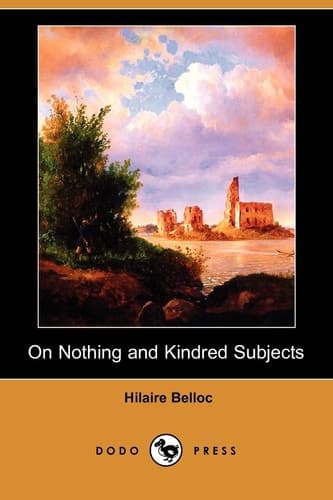
On Nothing and Kindred Subjects
by Hilaire Belloc
While not a traditional science fiction novel, Octavia Butler's Kindred explores themes of power, identity, and the legacy of slavery in a way that will appeal to Dune fans. Butler's time-traveling protagonist navigates a world that feels both familiar and deeply unsettling, much like the way Herbert subverts readers' expectations of a classic desert planet narrative.
View bookAbout Frank Herbert
F
Frank Herbert
1920–1986
Franklin Patrick Herbert Jr. (October 8, 1920 – February 11, 1986) was an American science-fiction author, best known for his 1965 novel Dune and its five sequels. He also wrote short stories and worked as a newspaper journalist, photographer, book reviewer, ecological consultant, and lecturer. Dune is the best-selling science fiction novel of all time, and the series is a classic of the science-fiction genre. The series has been adapted numerous times, including the feature film David Lynch's Dune (1984), the miniseries Frank Herbert's Dune (2000) and Children of Dune (2003), and a motion picture trilogy currently in production, with Denis Villeneuve's Dune (2021) and Dune: Part Two (2024) having been released.
View author page