Early American Music: A Research and Information Guide (Garland Reference Library of the Humanities, Vol. 1007)
HeintzePublished1990
Pages511
Formathardcover
PublisherMusic-Garland
Synopsis
Book by Heintze
Recommendations
The Norton Anthology of American Literature
by Nina Baym
Since you've engaged with Heintze's research framework on early American music, you'll appreciate how Baym contextualizes colonial and early republic literature within its cultural moment—she does for written texts what Heintze does for sonic ones, showing how artistic expression emerges from specific historical conditions. This anthology includes primary documents and contextual essays that will deepen your understanding of the cultural landscape that shaped early American music.
View book
Sinful Tunes and Spirituals Black Folk Music to the Civil War
by Dena J. Epstein
Epstein traces African American musical traditions through the colonial and antebellum periods with the same meticulous archival work Heintze employs, but focuses on a crucial musical lineage that standard early American music surveys often marginalize. Her detective work—tracking enslaved musicians' contributions through court records, slave narratives, and musical notation—reveals how incomplete our picture of 'early American music' becomes without these voices.
View book
The Ode Less Travelled: Unlocking the Poet Within
by Stephen Fry
Here's the curveball: Cope uses personal narrative and philosophical inquiry to explore how we find meaning in creative traditions—and while it's not musicology, his meditation on artistic inheritance and cultural transmission speaks to the deeper questions lurking beneath Heintze's research guide. If you're drawn to early American music because it connects you to something larger than yourself, this book explores that hunger for continuity and authenticity in unexpected ways.
View book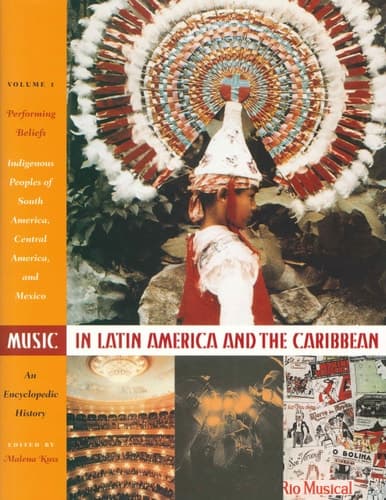
Music in Latin America and the Caribbean: An Encyclopedic History Volume 1: Performing Beliefs: Indigenous Peoples of South America, Central America, and Mexico
by Malena Kuss
Hamm writes with the precision of a musicologist but the accessibility of a storyteller—he'll take you from Heintze's reference-guide framework into actual narrative history, showing you how musical styles evolved through social change, immigration patterns, and technological shifts. His treatment of 19th and 20th-century developments gives you the chronological continuation of the early period you've been researching.
View book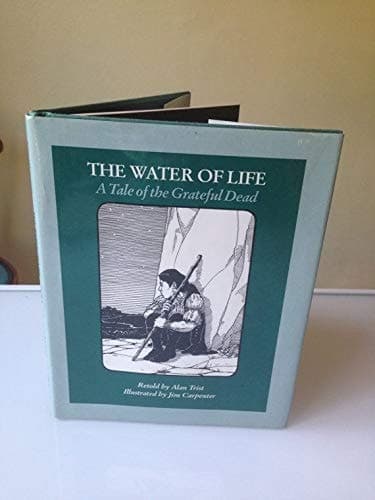
The Water of Life A Tale of the Grateful Dead, a Folk Story
by Alan Trist
This is your 2020s recommendation—a work of narrative history that reconstructs a 1740s naval disaster through competing eyewitness accounts and archival fragments, much like how musicologists must reconstruct early American soundscapes from scattered documents and incomplete records. Mametsch's method of working with fragmentary evidence to reveal larger truths about an era parallels the detective work required in early American music research, but through a gripping human story rather than musical analysis.
View bookAbout Heintze
Biography coming soon.
View author page